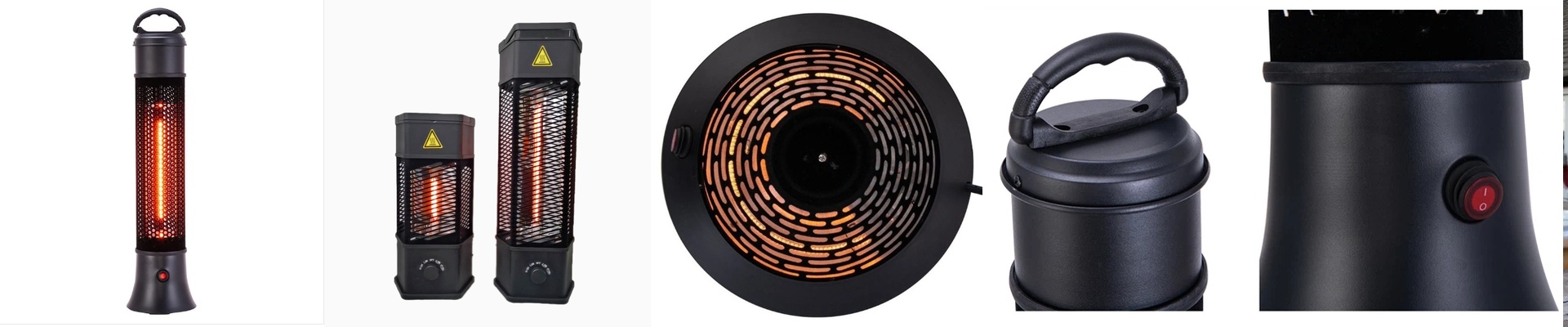
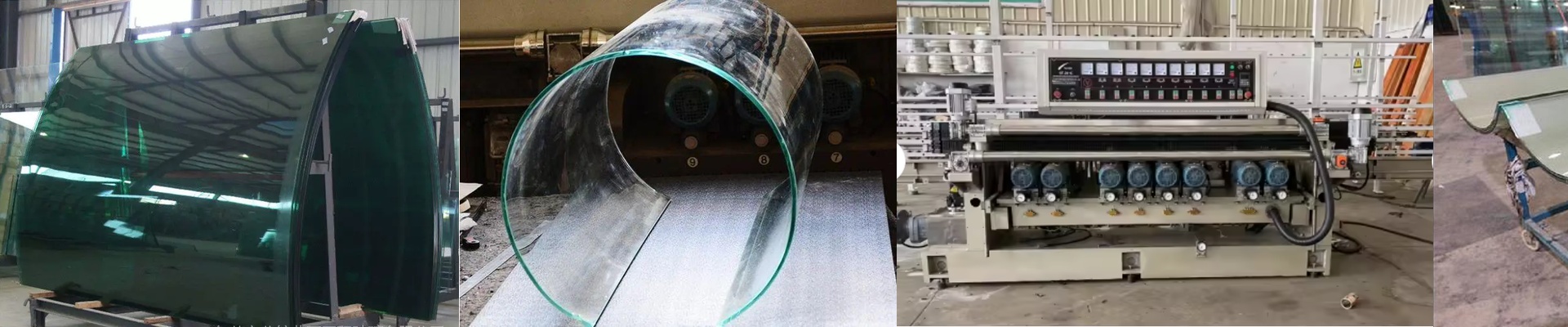
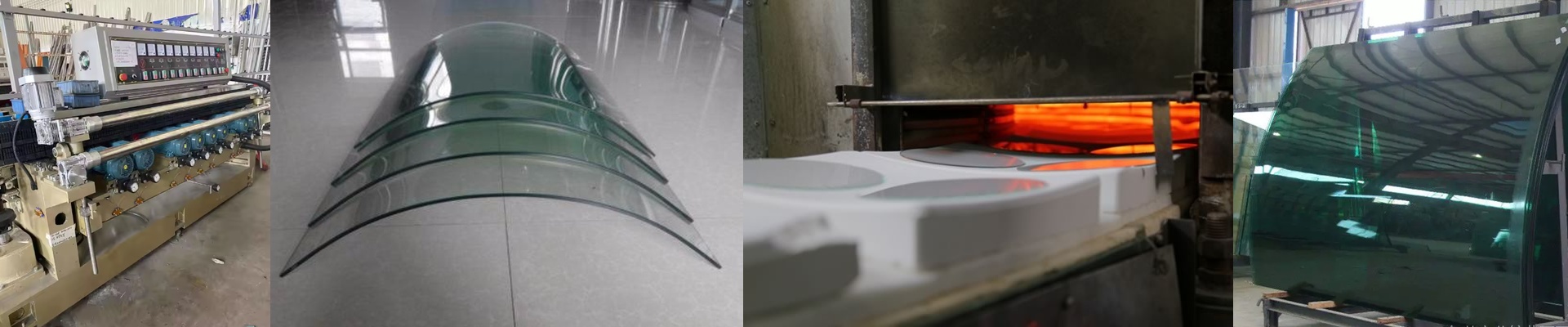
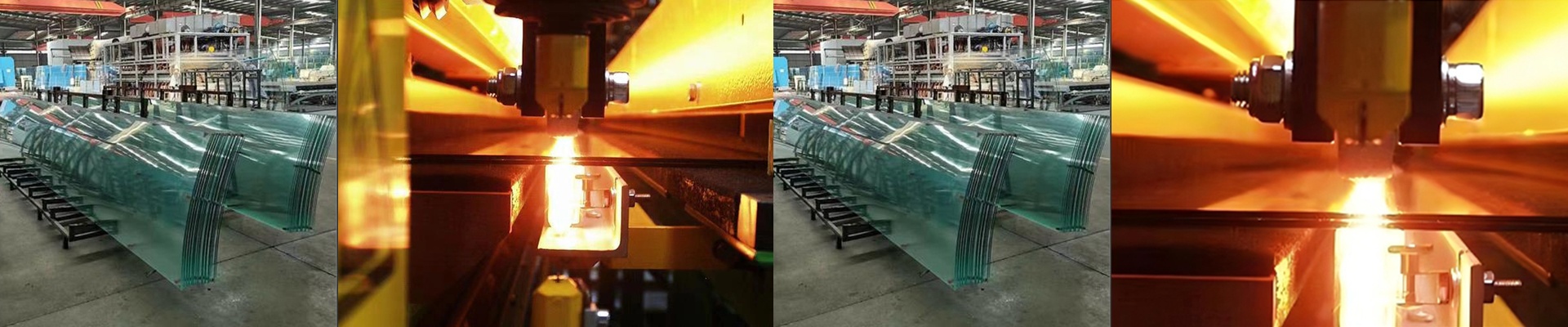
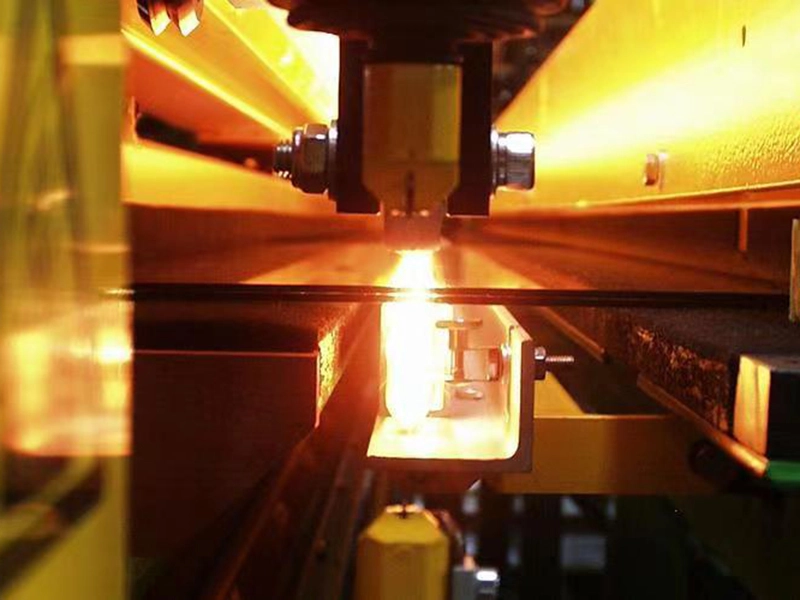
Out on the line, the lamination press is waiting on heat, and every second is money. If the energy profile wanders, you’re looking at edge delamination, bubbles, or optical distortion that only shows up once the glass hits inspection. We built our infrared lamp modules for glass bonding to hit the temperature curve and hold it—cycle after cycle—without chasing the setpoint. The lamps run near-infrared (NIR) emitters inside a quartz envelope, tuned to match how the interlayers and coatings actually absorb heat. Peak output sits right where the material heats fast but the glass surface stays manageable, so you drive the bond line without scorching the outer plies. The output density is laid out to give a uniform thermal field across the full bond width, which cuts thermal stress and keeps optical distortion down. Response is near-instant—no warm-up—so the lamp keeps pace with the conveyor without lag. We size the power and footprint to drop into standard lamination zones or retrofit existing ovens, and we match the electrical interface to whatever the machine is asking for. In EVA and SGP lamination, that translates to consistent flow and fewer rejects. You get a tight bond line, minimal haze, and repeatable cure windows—even on curved and coated parts. Energy use drops because the heat goes where it needs to go, with far less waste bleeding into ambient air. For insulating glass sealing, the same approach gives you fast, localized heating on the primary seal without cooking the whole frame, which helps limit warpage and keeps edge geometry intact. Installation is straightforward, but alignment is where you earn it. The lamp has to be parallel to the glass surface, and the focal distance has to stay within tolerance to keep the profile even. Expect to recalibrate after you change glass thickness or swap interlayer type, and verify temperature with a calibrated sensor right at the bond line—not off the heater housing. Run the lamp within its rated voltage and cooling window, and you get long life with stable output. We’ve got units that have run 5,000+ hours with less than 5% output drop.
در خط تولید، پرس لمینیشن منتظر رسیدن دما است و هر ثانیه برابر با پول است. اگر پروفایل انرژی ناپایدار باشد، با مشکلاتی مانند جداشدگی لبهای، حبابها یا انحراف نوری مواجه خواهید شد که فقط هنگام بازرسی شیشه قابل مشاهده است. ما ماژولهای لامپ مادون قرمز خود را برای اتصال شیشه طراحی کردیم تا منحنی دما را دقیقاً دنبال کرده و ثابت نگه دارد—چرخه به چرخه—بدون نیاز به تنظیم مداوم نقطه تنظیم.
لامپها از منابع نور نزدیک به مادون قرمز (NIR) داخل پوشش کوارتزی استفاده میکنند که با نحوه جذب حرارت لایههای میانی و پوششها هماهنگ شدهاند. بیشینه توان خروجی دقیقاً در نقطهای قرار دارد که ماده سریع گرم میشود اما سطح شیشه قابل کنترل باقی میماند، بنابراین خط اتصال را بدون سوختن لایههای بیرونی میتوانید هدایت کنید. چگالی خروجی به گونهای طراحی شده که میدان حرارتی یکنواختی در عرض کامل اتصال ایجاد کند، که تنش حرارتی را کاهش داده و انحراف نوری را به حداقل میرساند.
پاسخدهی تقریباً آنی است—بدون نیاز به گرم شدن اولیه—بنابراین لامپ با سرعت نقاله هماهنگ است بدون تأخیر. ما توان و ابعاد دستگاه را طوری انتخاب میکنیم که در نواحی لمینیشن استاندارد جای گیرد یا در فرهای موجود به صورت ارتقا نصب شود، و رابط الکتریکی را مطابق نیاز ماشین تنظیم میکنیم.
در لمینیشن EVA و SGP، این به معنای جریان یکنواخت و کاهش نرخ ضایعات است. خط اتصال فشرده، مهگرفتگی حداقلی و بازههای پخت قابل تکرار حتی روی قطعات خمیده و پوششدار حاصل میشود. مصرف انرژی کاهش مییابد زیرا حرارت دقیقاً به محل مورد نیاز میرسد و هدررفت به هوای محیط بسیار کمتر است. برای درزبندی شیشه عایق، همین روش گرمایش سریع و موضعی روی مهر اولیه را فراهم میکند بدون اینکه کل قاب حرارت ببیند، که به محدود کردن تغییر شکل و حفظ هندسه لبه کمک میکند.
نصب ساده است اما تنظیم دقیق اهمیت دارد. لامپ باید موازی سطح شیشه قرار گیرد و فاصله کانونی باید در حد تحمل باقی بماند تا پروفایل حرارتی یکنواخت باشد. انتظار داشته باشید پس از تغییر ضخامت شیشه یا تعویض نوع لایه میانی، کالیبراسیون مجدد انجام شود و دما با سنسور کالیبرهشده دقیقاً روی خط اتصال بررسی شود—نه روی بدنه هیتر.
لامپ را در ولتاژ و محدوده خنککنندگی تعیینشده به کار ببرید تا عمر طولانی و خروجی پایدار داشته باشید. ما واحدهایی داریم که بیش از ۵۰۰۰ ساعت کار کردهاند با کمتر از ۵٪ کاهش خروجی.