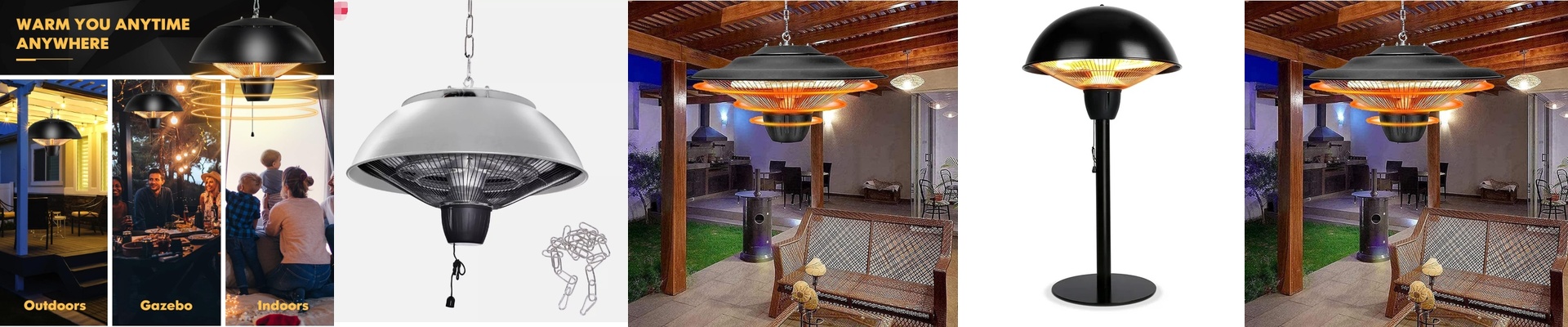
The first cool evening hits, and your patio can empty out fast. One minute guests are lingering through sunset, the next they’re checking their watches, tightening their coats, and heading for the door. That vacant seating isn’t just lost revenue—it’s a missed opportunity to deliver comfort that keeps people coming back.
What matters, technically
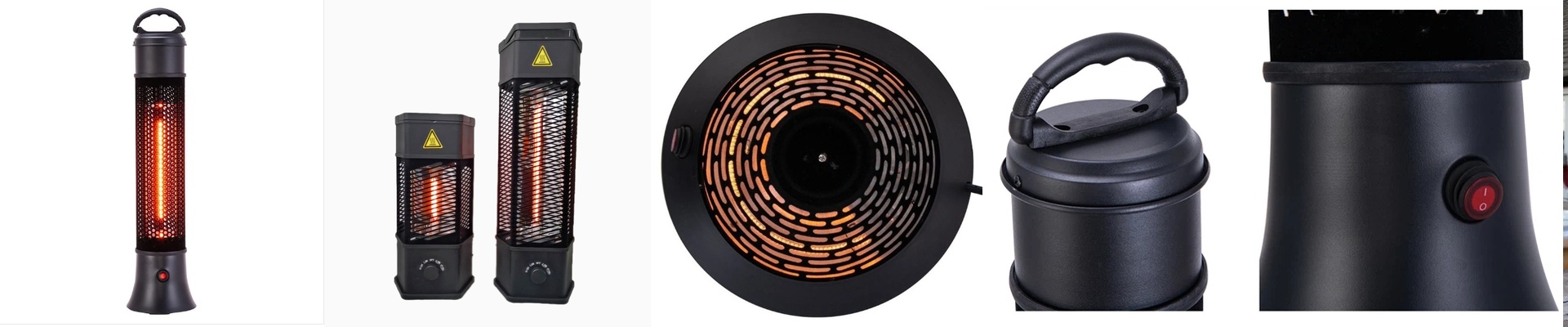
Infrared patio heaters work the same way the sun does: radiant heat warms people and surfaces directly, instead of trying to heat the air. Our electric infrared units run on a carbon fiber element that puts out long-wave infrared—warmth that feels gentle, yet penetrates. You get comfort immediately. No long warm-up, no noisy fan. Many models come in 120V or 240V configurations, often with adjustable power settings, so you can match the heat output to the size of the seating area. They’re built for outdoor use, with IP ratings to keep out dust and spray, plus safety features like tip-over protection and protective grilles.
Why this works in a restaurant
In a restaurant, comfort is part of the service. Infrared warmth reaches guests where they sit—warming arms, shoulders, and legs—without blasting them with hot air that can feel oppressive. That steady, even heat helps circulation and keeps people relaxed, which means they stay longer. For your staff, it’s practical. Less draft, fewer temperature swings, and a more consistent experience for guests. Because the heaters warm people directly, they can be efficient for targeted zones, letting you extend the patio season without trying to heat the entire outdoors.
The things you actually need to know
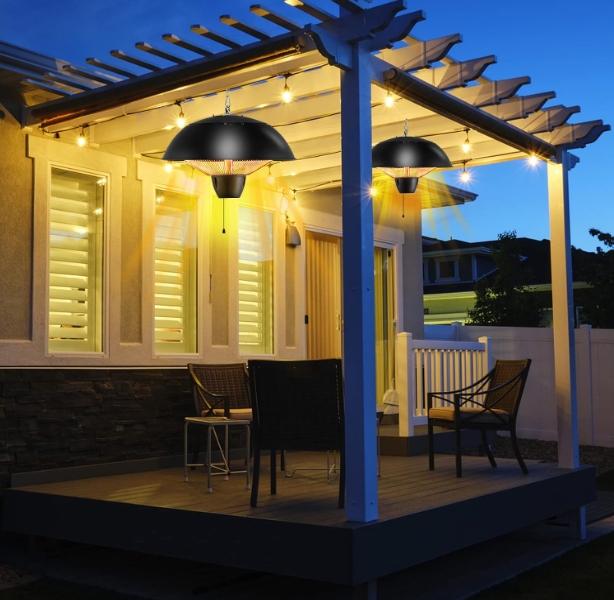
Plan the placement first. Infrared heat travels line-of-sight, so aim the unit to cover tables and seating, not blank walls or walkways. Mounting height and angle make a real difference in comfort. Most electric infrared heaters plug into standard outlets, or require a dedicated circuit depending on wattage. Here’s the trade-off: you get the best comfort when the heater is positioned close enough to the seating area, so you’ll need to coordinate with the furniture layout. Keep the lens clean and store the unit protected from harsh winter conditions—that’s how you keep output consistent season after season.