
Introduction
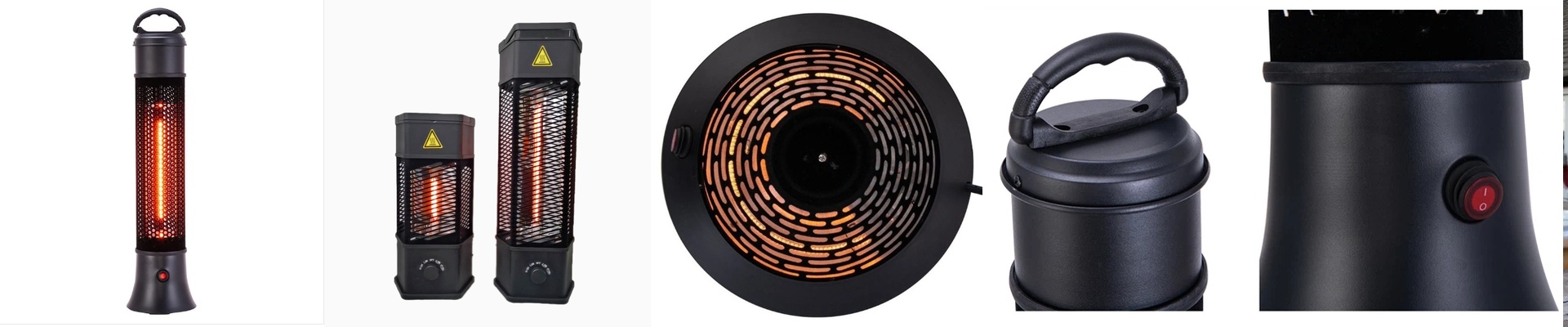
We built this infrared heater for the shop floor, not some fancy showroom. Honestly, the idea was straightforward: give you intense, focused heat right where you need it—and kill the power the second it tips past its safe angle. Our team put this thing through the wringer in our test lab, nailing down the physics, the safety margins, and the reliability you need when the pressure is on.
What’s Under the Hood
This heater was born for one job: get hot fast, and stay steady. It runs on 400V, which lets us pack in serious wattage without the current spiking. That 2500W punch, packed into a 300mm tube, creates a tight, powerful heat zone—perfect for spot heating or keeping a process running at the right temperature. With that kind of power, you need serious heat management, both when it’s on and when it’s cooling down. And that tip-over protection? Not a marketing stunt. It’s a hard-wired safety switch built right into the base. If the unit tips past the safe point, it cuts the power instantly. You get a fail-safe that stops hot surfaces from touching anything they shouldn’t—whether it’s materials nearby or the person running the machine.
The Build, Up Close
Inside the tube, you’ve got a halogen element wrapped in high-purity quartz. That combo holds up under extreme filament heat, so the heater responds quickly when you change the power. No lag. The shortwave output delivers energy straight to the target, so you’re not just heating the air around it. The R7s connector makes installation a breeze—no tools needed, and it stays tight even as things heat up and cool down. That means no loose connections, no hot spots. The tube’s outer coating can handle splashes and minor bumps, but let’s be real—it’s not armor. In tough, high-abrasion spots, it’ll still need routine care.
Why It Works for You
Here’s the payoff: this heater slides right into machines where space is tight and you can’t afford downtime. That 300mm length and focused beam make it easy to fit into tight spots, while the 400V/2500W power keeps up with demanding heat needs. And that tip-over switch? It’s the safety net you’ll appreciate every time you’re moving things around or running the machine. Now, the trade-off is real. All that heat density means your cooling and ventilation have to be up to the task. We give you the full specs up front so you can plan for how things actually run, not some ideal scenario.