


Let’s Talk About Getting That Perfect Glass Gloss
Most people go shopping for a “high gloss glass dryer” like they’re buying a toaster—they just want the right box. But here’s the thing: getting that mirror-like finish isn’t really about the lamp you pick. It’s about the dance between the heat, the chemicals in your coating, and the glass itself.
The tricky part of curing
If you want that slick, high-end shine, you have to get the evaporation just right. Pump in too much heat too fast? You’ll end up with “orange peel” or those annoying little solvent pops. Too little? The finish stays tacky, and you’ve got a mess on your hands. That’s why we don’t just throw a heater in a box and ship it. We need to know how fast your line is moving and exactly how thick that coating is.
Why we need to actually see your floor
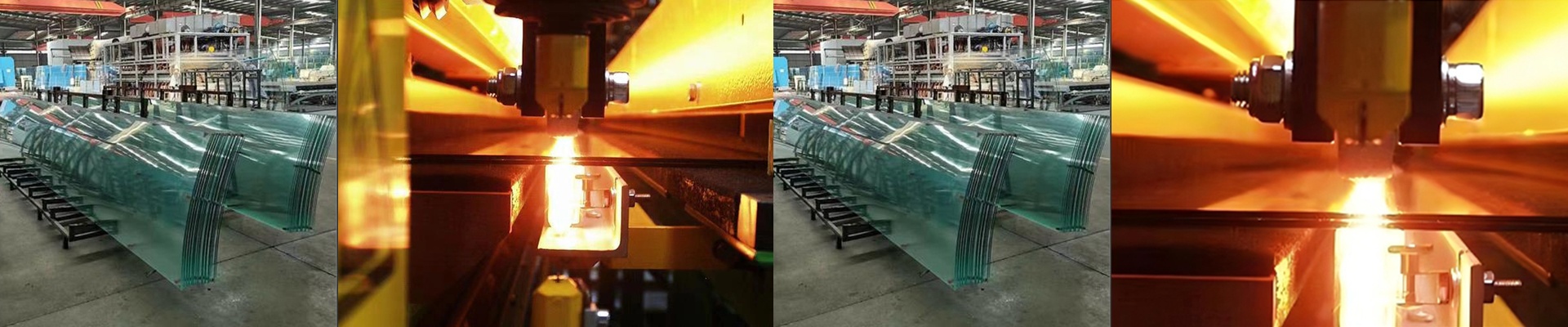
A spec sheet is great, but it doesn’t tell the whole story. It won’t tell me if your reflectors are oxidized or if your conveyor belt is throwing off the heat. I’d much rather be on-site, seeing the actual heat footprint for myself. I’m looking for the stuff that usually goes unnoticed: ***Cold spots.**Those annoying gaps where the gloss just disappears because a lamp is slightly out of alignment. ***Thermal overshoot.**When the edges of the glass get too hot and start to warp. ***Airflow issues.**Like when an exhaust fan is accidentally stealing the heat before the cure even happens.
The catch with high heat
Sure, we could spec out some high-wattage shortwave IR lamps and cut your curing time in half. Sounds great, right? But there’s a trade-off. That kind of heat density puts a massive strain on your electrical panels. Plus, it can stress the glass. You can’t just drop a powerhouse lamp into an old housing and hope for the best—your cooling system might not be able to handle the rise in temperature. That’s why we start with a diagnosis. We get the thermal profile sorted first, and then we talk hardware. It saves you from wasting a ton of money on expensive lamps that your machine can’t even use.