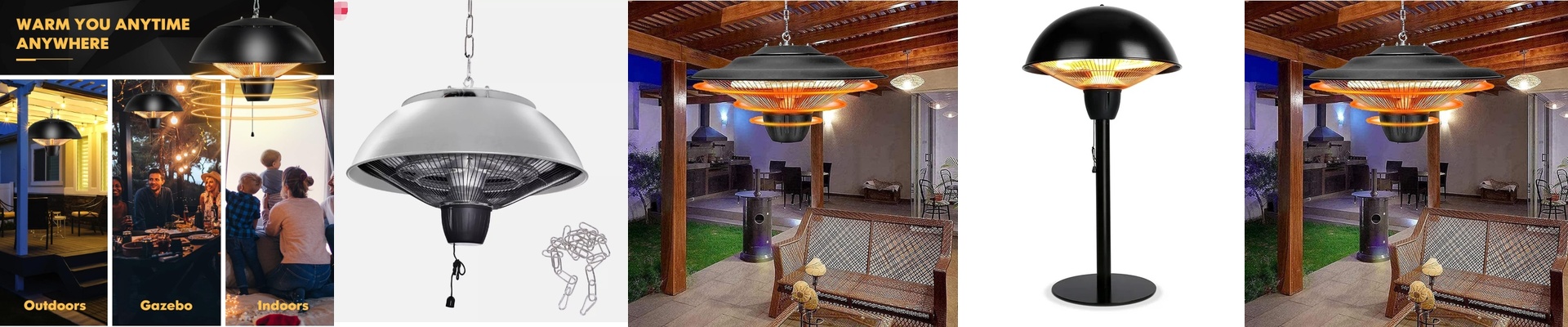
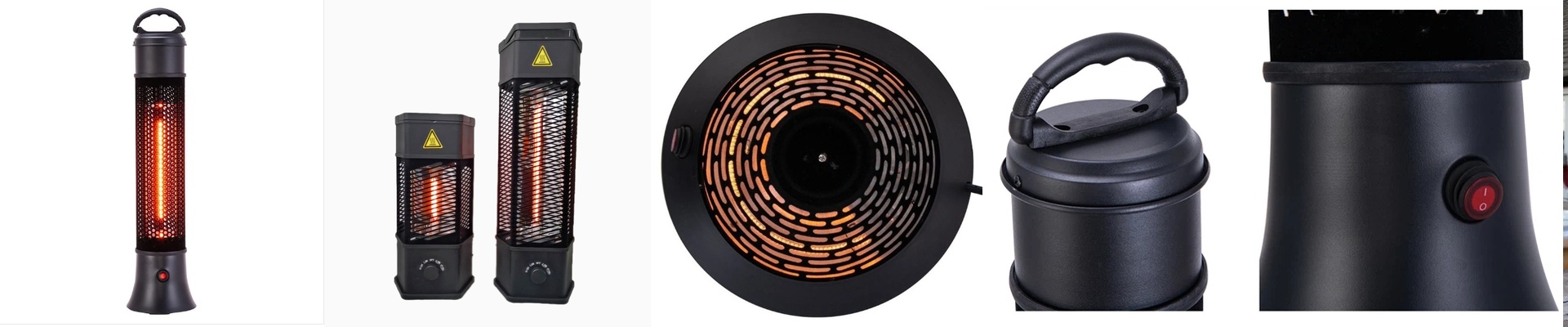
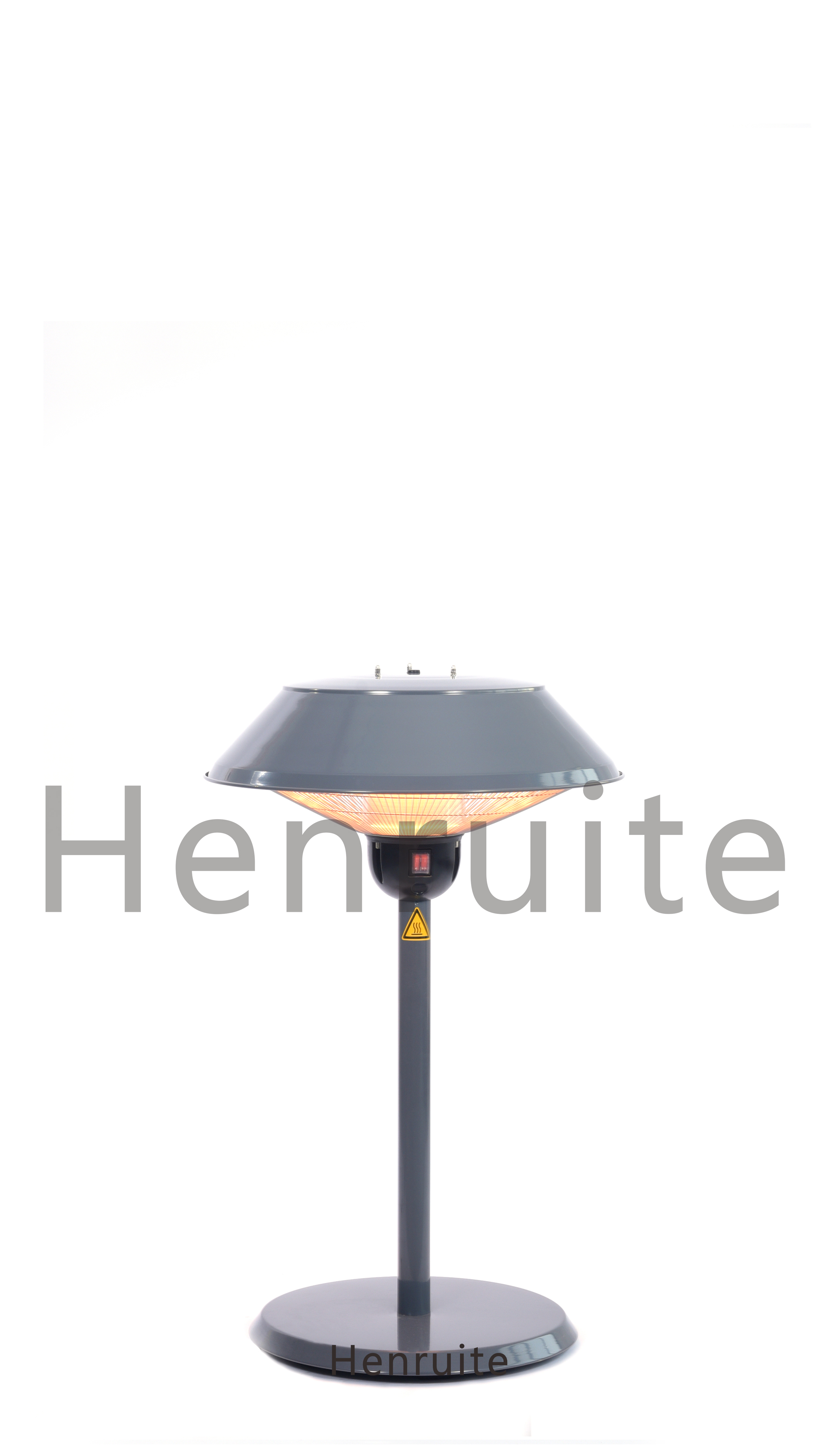
In an office building, comfort isn’t a perk—it’s what keeps work moving. When the heat goes sideways, meetings drag, hands stiffen, and the whole room feels off. With electric infrared heaters in these spaces, the usual failure point isn’t the element. It’s the lead-wire seal where heat hits the wiring.
What matters under the hood
Infrared office heaters work the way the sun does: radiating heat straight to people and surfaces, not churning air around. That means quicker comfort without drafts, and it makes zoned heating practical—warmth where you need it, when you need it. Inside, reliability comes down to how the lead-wire is sealed. A contract-manufacturing-grade seal uses high-temperature silicone or ceramic-based glands, proper strain relief, and fully potted internal joints so insulation holds up under steady heat. In the real world, that means fewer hot-spot failures, lower leakage current, and consistent performance through cold starts and long run hours. Check the basics when you spec: rated voltage (120V or 240V), element type (quartz or carbon fiber), and safety protections like tip-over cutoff and overheat shutdown.
Why this fits an office
Offices need heat that’s quiet, clean, and dependable. Infrared heaters warm people fast, so you can back off the main thermostat and trim overall energy use. And when the lead-wire seal is done right, you cut the risk of insulation breakdown, short circuits, and premature failure—especially near desks, in lobbies, and in conference rooms where uptime matters. Fewer service calls. Less downtime. Just steady comfort that helps people stay focused.
The practical details
Installation still matters. These heaters do their best work when aimed at occupied zones and mounted with the correct clearance from combustibles, per local electrical codes. They aren’t meant to replace central heating in very cold climates. Think of them as localized heat sources that make a space feel immediately comfortable. Plan for dedicated circuits, and confirm the IP rating matches the room. Standard indoor units are not the same as models built for protected outdoor areas.