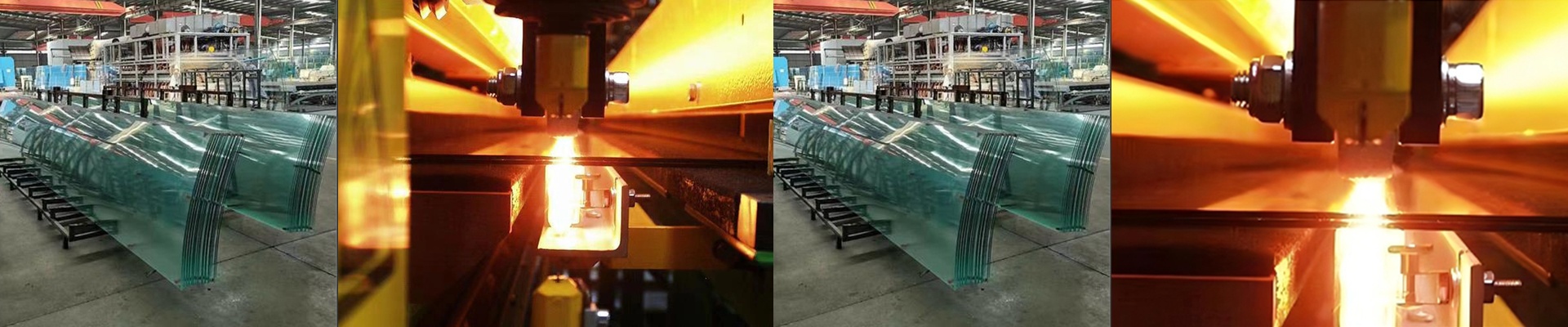
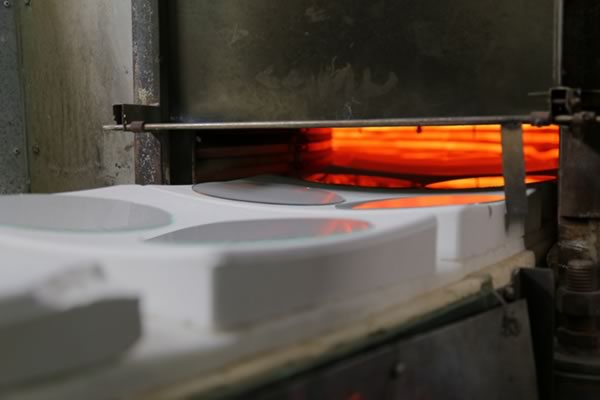
Out on the line, the conveyor doesn’t wait for anyone. Coatings—whether functional films or paint—only stay wet as long as the cure cycle allows. If the drying zone can’t hit fast, even heat, the schedule slips. Uneven cure shows up as adhesion failure, haze, and solvent trap. When the oven underperforms, you pay for it in scrap, rework, and capacity you never had to begin with. We designed these rapid drying modules for the spot in the process where speed has to come without losing control. The idea is straightforward: get the coating to temperature fast, hold it inside a tight thermal window, and repeat—minute after minute, shift after shift.
What actually matters under the hood
Rapid drying for glass coatings comes down to dumping energy where it counts, quickly, without creating thermal gradients that stress the substrate. We use short-wave infrared (SWIR) emitters in high-purity quartz envelopes. The spectrum is tuned to match how common coatings absorb, so the energy goes into the wet film first, not the glass. The specs translate into performance you can measure on the line:
- Power density: 10–120 kW/m², mapped to line speed and coat thickness. Higher density shortens dwell, but only if the control system can keep up.
- Response time: Full output in under 2 seconds. That lets the module follow line starts, stops, and recipe changes without overshoot.
- Temperature control: Closed-loop feedback with pyrometers and thermocouples holds the coating profile within ±1% of setpoint. That kind of stability keeps blisters, orange peel, and cure gradients out of the conversation.
- Spectral output: Peak emission in the 1.0–2.5 μm band. That targets organic binders and solvents, speeding evaporation while limiting surface skinning that can trap moisture.
- Emitter life: 5,000+ hours at rated output, with less than 5% lumen depreciation. Long life means fewer maintenance windows and less spare inventory.
- Electrical fit: 240/400/480 V, three-phase, with IP54-rated connections and standardized terminal blocks. It integrates cleanly into new lines and retrofits with minimal rework. The quartz envelope earns its keep in two practical ways. It transmits SWIR efficiently, and it handles thermal shock far better than glass in high-cycle duty. The payoff is repeatable heating with fewer hot spots and less convection-driven dust getting pulled into the zone.
Why this approach fits glass processing
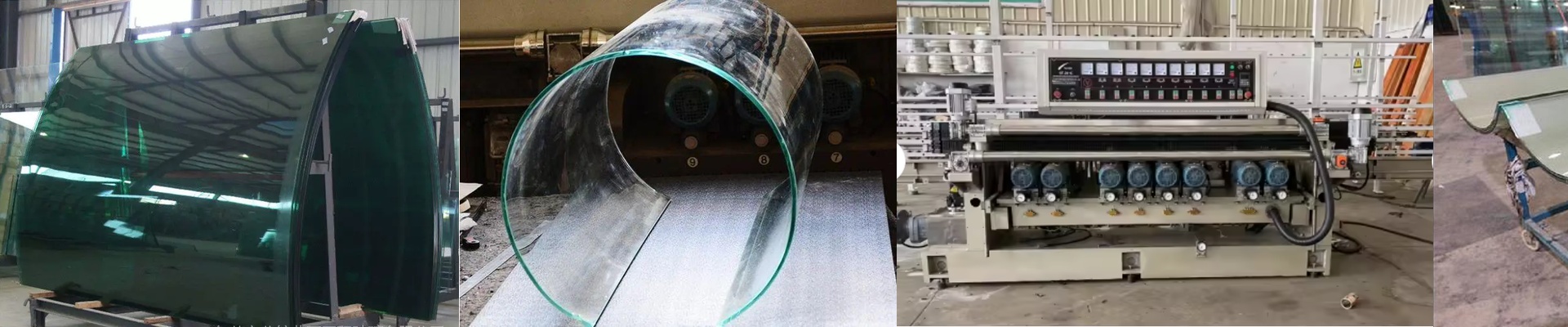
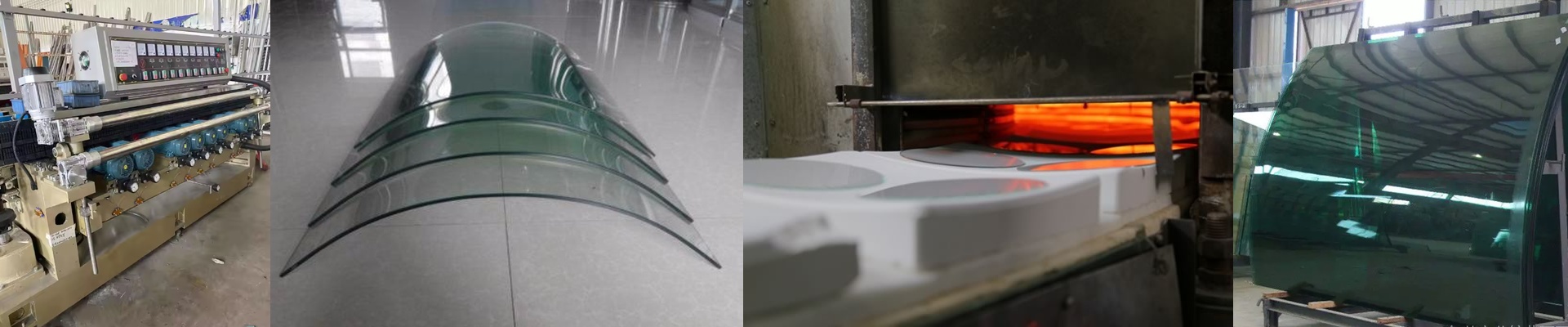
Glass coating lines live and die on throughput and yield. Whether you’re laying down low-emissivity films, anti-reflective stacks, or decorative coatings, the drying step sets the pace for the whole line. Stretching cure time forces you to add length—and that raises operating cost per square meter. Shorten cure without cranking up temperature, and you protect optical clarity and film adhesion. SWIR modules compress drying without pushing the glass into thermal stress. Energy goes into the coating first, so the substrate sees a milder, controlled rise. That matters when you’re running thin glass, curved tempered parts, or coated insulating glass units where thermal gradients can cause bow and optical distortion. You gain in three practical ways:
- **Cycle reduction:**Cure windows typically drop from minutes to seconds, so the line can run at higher meters per minute. On medium-thickness functional films, we’ve seen coat-to-coat cycle times cut by up to 70%.
- **Quality consistency:**Uniform heating across the width cuts edge effects and stripe marks. Measured adhesion and pencil hardness stay in spec shift after shift.
- **Energy efficiency:**SWIR delivers energy directly to the film, not to the air. Compared to convection-heavy ovens, specific energy per cured square meter falls—lower kWh and lower peak demand charges. These modules are built for glass-plant duty. They handle dust, humidity, and the stop-start rhythm of changeovers. We size emitters and optics to match your glass width and line speed so the thermal profile stays flat edge to edge. In practice, that means fewer rejects from uneven cure and fewer operator tweaks to chase temperature.
The details that make it work (and keep it working)
Rapid drying delivers, but it needs to be integrated with the rest of the process, not bolted on as an afterthought.
- Line integration: SWIR modules need a clean line-of-sight to the coating. If your conveyor is dense or has shields, you may need to reposition or add open sections. Plan the layout so the emitter face sees the glass without shadows.
- Thermal management: High power density means heat is real. Provide proper ventilation and shielding so operator surfaces stay safe. The quartz runs hot, and that needs to be reflected in guard design.
- Coating compatibility: Not every coating behaves the same under SWIR. Pigments and fillers shift absorption. Run a pilot with your actual formulation to lock in the spectral match and the right temperature profile.
- Electrical infrastructure: These are high-current devices. Verify voltage drop and conductor sizing on site. A dedicated circuit and correct fusing reduce nuisance trips and protect the control electronics.
- Maintenance planning: Quartz envelopes are tough, but they still need inspection. Set a routine to check for oxidation, contamination, and mounting integrity. Keep spare mounts and connectors on hand so downtime stays short. If you’re bumping up against your oven’s limits, or if cure variability is creeping into your coating defects, SWIR-based rapid drying is a practical upgrade. It gives you speed without guesswork and the control needed to keep quality tight when the schedule is maxed out. We size, tune, and install the system to match your glass, your coating, and your line. The result shows up where it counts: more meters per minute, stable yield, and energy use per square meter that makes sense. That’s how the shop floor keeps moving when the orders stack up.