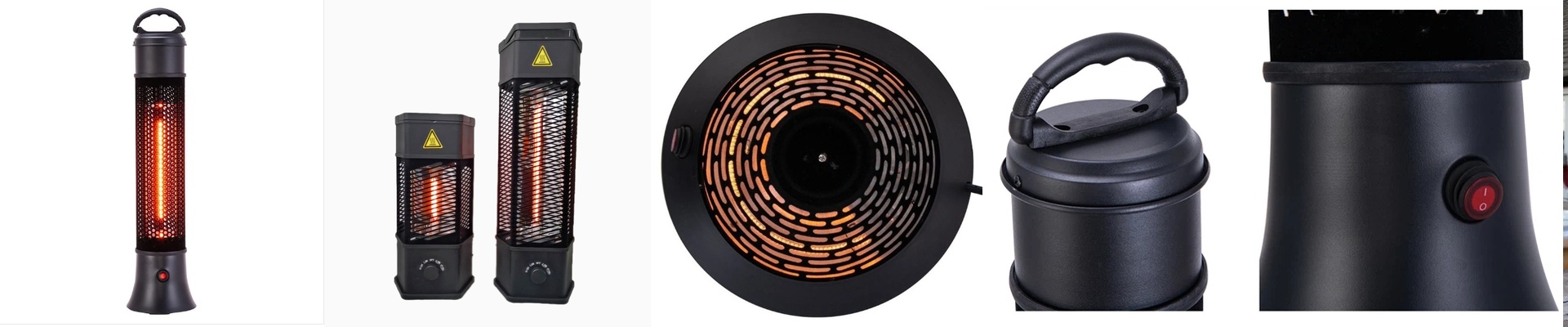
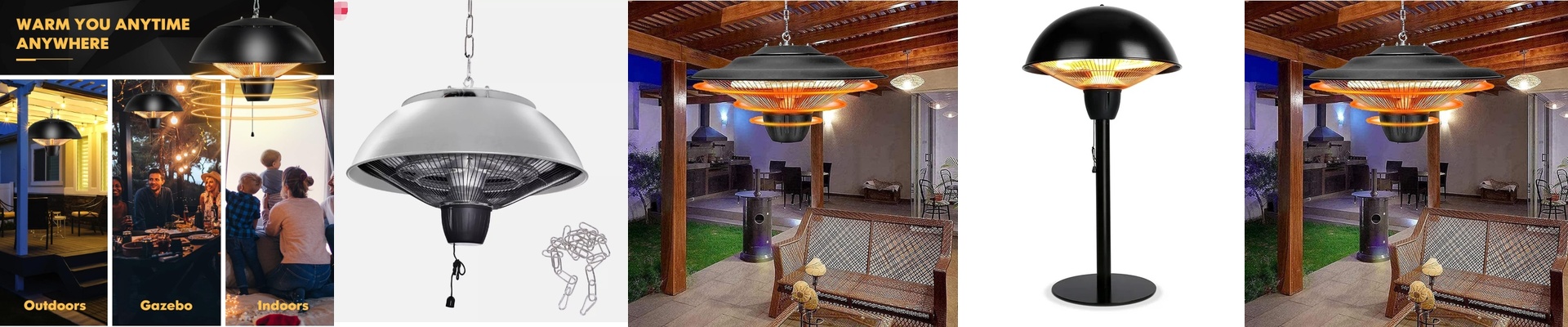
A quiet evening on the patio should feel calm, not compromised. When you’ve got infants and toddlers underfoot, the wrong heater can turn comfort into worry—fan noise that startles sleep, or an open flame that hogs oxygen and leaves the air feeling thin. Infrared patio heaters sidestep both issues, delivering warmth that feels natural and safe.
What matters, technically
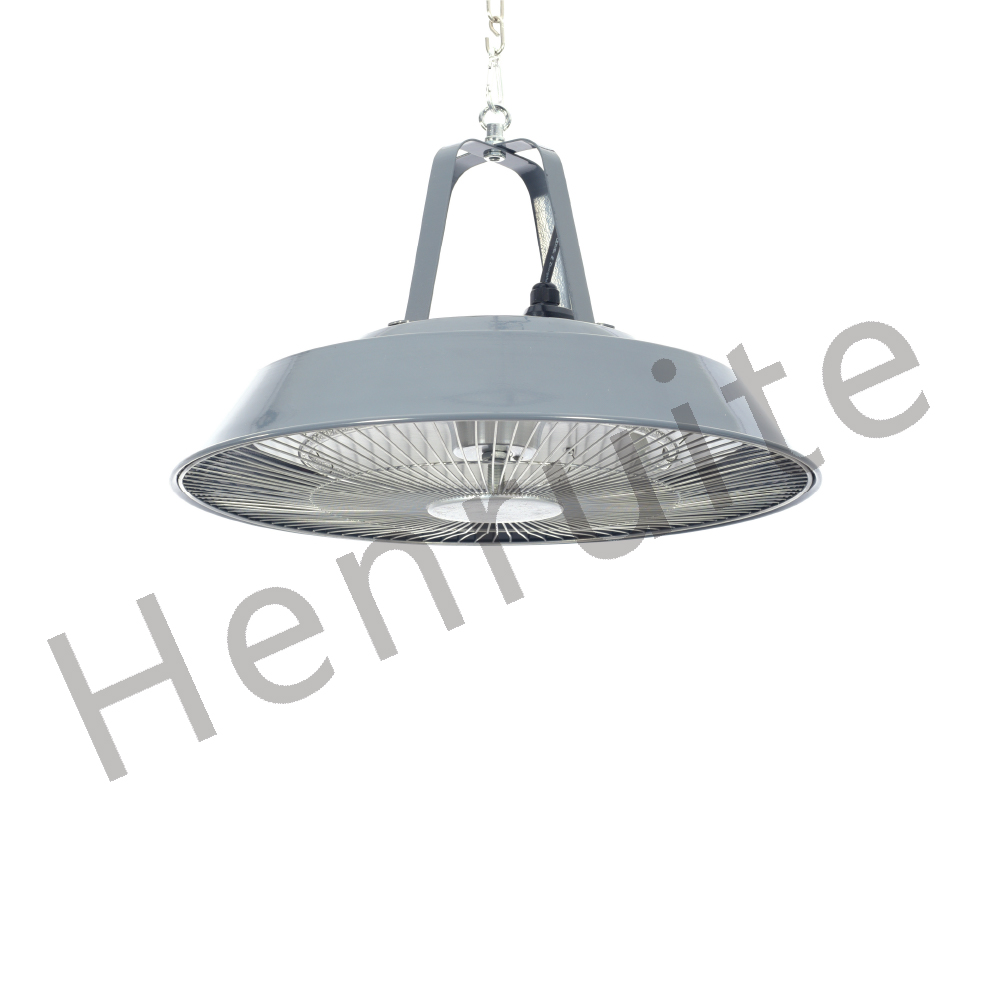
Infrared warmth is radiant heat: it travels outward and warms people and surfaces directly, instead of trying to heat the air first. That means no drafts, no dust being kicked around, and no noisy fan. In many electric infrared models, the heat source is sealed—often a quartz tube or carbon fiber element—so there’s no combustion and no oxygen being pulled from the space. Output is usually stepped—think 500 W, 1,000 W, and 1,500 W—and paired with a thermostat so comfort stays steady. For outdoor use, look for a unit rated for damp conditions, typically IP34 or higher, plus tip-over protection for households with curious kids.
Why it works on a family patio
On a family patio, the win is predictable comfort without side effects. Because infrared heats by line-of-sight, you feel warmth almost immediately—no waiting around for the air to warm up. With no oxygen consumption and no open flame, the space stays fresher, and you avoid that dry, stuffy feeling some forced-air heaters leave behind. Quiet operation matters, too. The sound is more of a calm, low hum that’s easy to tune out, so naps and bedtime routines don’t get interrupted. For parents, that means fewer disruptions and more confidence that the outdoor room is genuinely safe for little hands and lungs.
The practical details
Infrared patio heaters are straightforward, but placement is where people get tripped up. For even comfort, position the heater so the radiant area covers the seating—without pointing straight at a baby’s face or bare skin. Keep clearances around the unit and follow the listed distances for furniture and curtains. Most electric models plug into a standard outlet, but if you’re running long hours or multiple heaters, a dedicated circuit is the smarter move. One trade-off: infrared warmth is most effective within its coverage zone, so it’s best for defined seating areas, not big, wandering outdoor spaces.