Keeping Your Outdoor Heaters Running (Without the Headache)
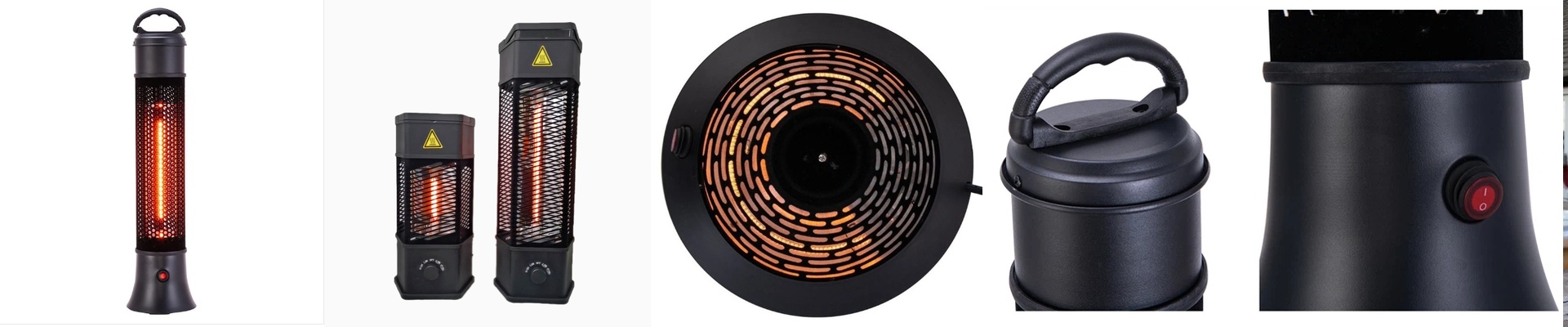
Let’s be honest: outdoor heaters live a rough life. Between the humidity and the dust, they’re basically fighting a war against the elements every single day. We build ours to IP65 standards to keep the guts of the machine dry, but here’s the reality: the heating elements are consumables. They’re going to burn out eventually. But the real killer isn’t the cost of a new tube. It’s the absolute nightmare of trying to swap that tube out five years from now. The trap of “integrated” design Most heaters on the market weld the heating elements right into the frame. It’s a mess. When a tube dies, you’re stuck with two bad options: throw the whole expensive unit in the trash, or spend your entire Saturday dismantling a weather-sealed housing. And here is the scary part: if you slip up and break that seal during the repair, moisture creeps in. Your “fixed” heater will probably die again within a year. A better way to build things We decided to stop doing that. Instead, we moved to a modular setup. Think of it like a cartridge. The heating modules are separate from the main frame, so you don’t have to strip the whole machine down to the bolts. You just unlock the module, slide out the dead tube, and drop in a fresh one. We also use standardized connectors. It means the new element clicks into place perfectly Without putting stress on the wiring. No more “arcing” at the terminals—which is usually why those cheap garden heaters end up smelling like burnt plastic. The trade-offs Nothing is perfect. To keep that IP65 waterproof rating while making things modular, we have to use more fasteners and tighter tolerances. It makes the unit a bit heavier. Also, you have to be careful with the gaskets. If you pinch a seal while you’re swapping the part, the weatherproof protection is gone. It takes a second of focus, but it’s worth it. Real-world maintenance Swapping a tube should take ten minutes. Not two hours. By separating the heating element from the main enclosure, you don’t need a toolbox full of specialized gear to get the job done. You swap the part, tighten the lugs, and you’re back to enjoying your patio. Simple as that.