Making Your Patio Actually Useable: The Truth About Smart Infrared Heaters
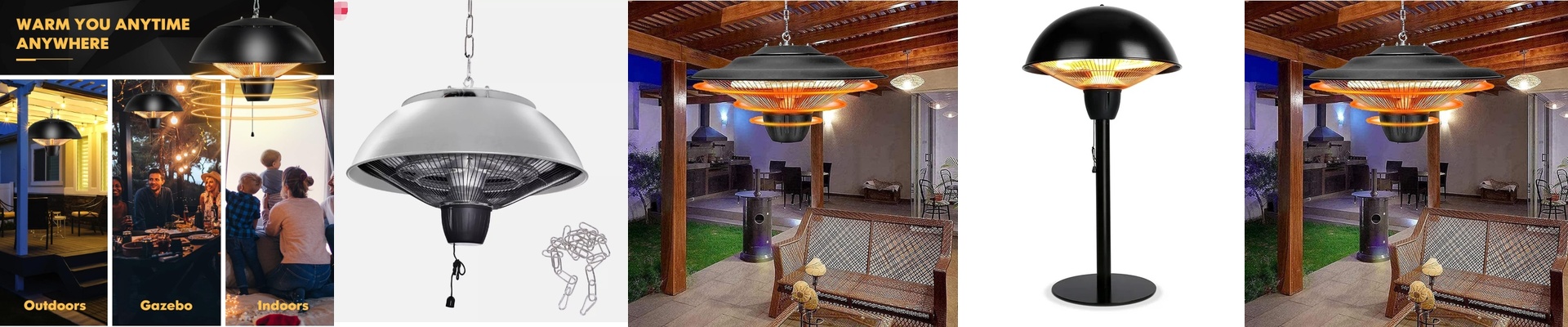
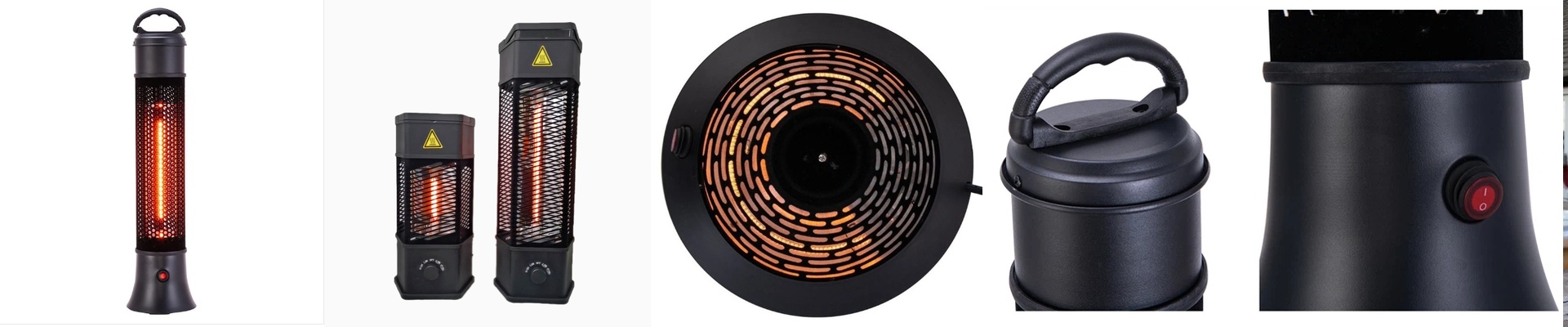
Let’s be honest: there is nothing worse than wanting to sit outside on a crisp evening, only to realize it’s way too cold to actually enjoy it. You want warmth, and you want it right now. Not in twenty minutes. Right now. That’s why we don’t just throw a big heating element in a box and call it a day. We build our heaters to IP66 standards. In plain English? They’re sealed tight. Dust can’t get in, and if you decide to blast your deck with a pressure washer or get hit by a sudden downpour, the guts of the machine stay dry. No shorts, no sparks, no headaches. Warmth that actually hits you Most heaters try to warm up the air around you. The problem is, if you’re outdoors, the wind just blows that warm air away. It’s a waste of energy. Our units use shortwave infrared. Think of it like the sun. The heat travels in a straight line and hits you directly. You don’t have to wait for the air to warm up—you feel the glow the second it kicks in. We use high-grade quartz glass to protect the element, so the heat gets to you without getting blocked. Making it “Smart” (Without the Hassle) Tapping an app or telling your voice assistant to “turn on the heat” feels like magic, but there’s some heavy lifting happening behind the scenes. We connect the power stage to smart relays or Zigbee/Matter controllers. But here’s the thing: these heaters pull a lot of power. If you use a cheap relay, the initial surge of electricity can actually weld the contacts shut, killing your switch. We use heavy-duty specs to handle that “inrush” current so your system doesn’t fry. You can set it to trigger automatically when the temperature drops or just flick a switch from your phone while you’re still inside. A quick heads-up on the electrics I have to be real with you about the installation. These things are power-hungry. If you try to put four or five of these on one single circuit, you’re going to trip your breaker almost immediately. You’ve got to be careful with your wiring gauge and how you distribute the load. If the voltage drops because the wires are too thin, your heat output drops too. Before you start drilling holes and running cable, just double-check that your electrical panel can actually handle the total wattage. It’ll save you a lot of frustration later.