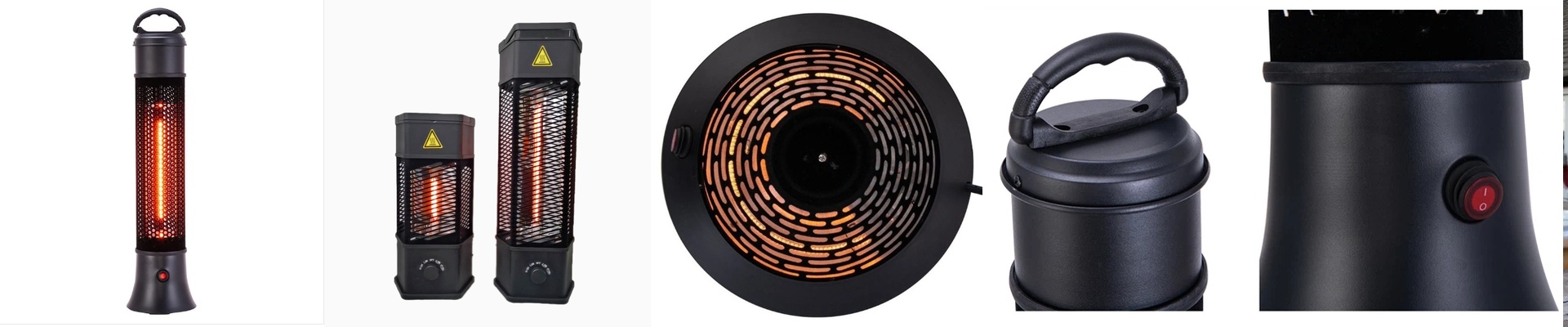
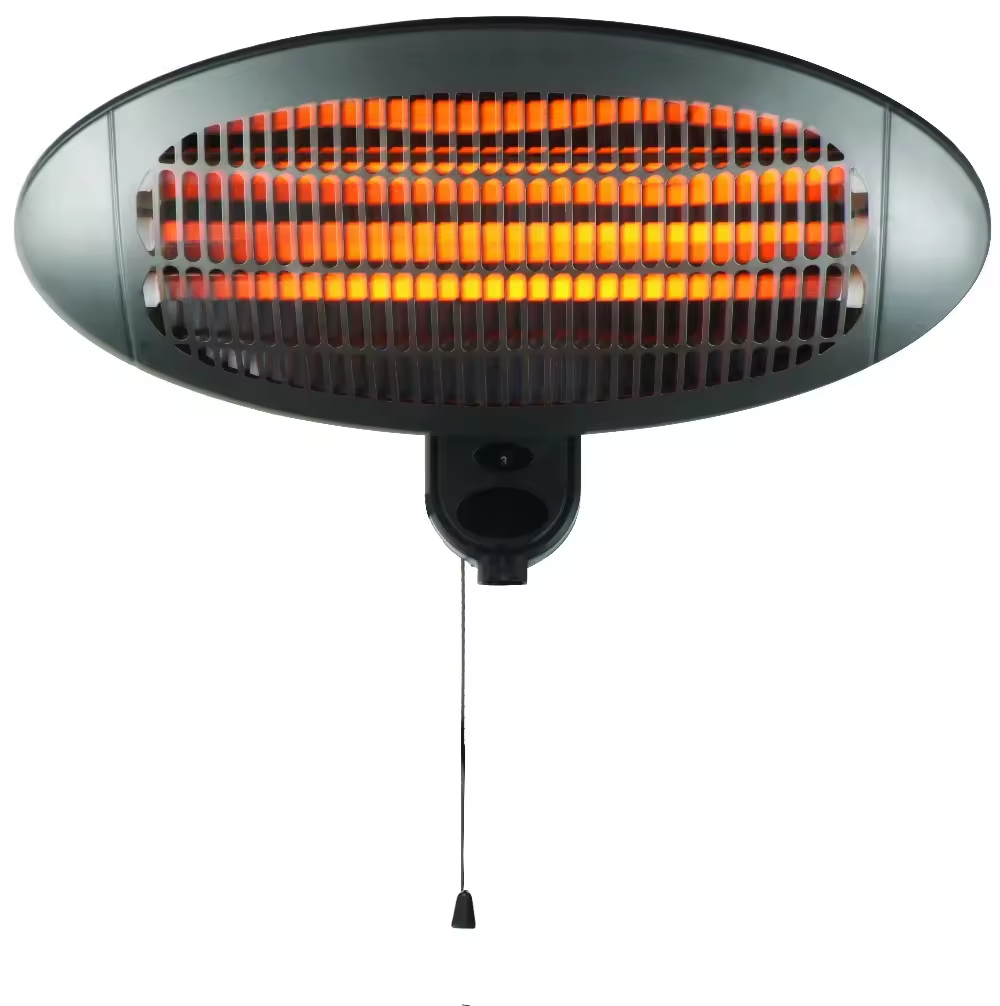
Why We Use Explosion-Proof Quartz in Bathroom Heaters
Let’s be honest: bathrooms are a nightmare for heating elements. You’ve got steam everywhere, high humidity, and the constant risk of a stray splash of cold water hitting a scorching hot surface. That’s where things usually go wrong.
The “Cold Splash” Problem
Think about what happens when a drop of cold water hits a tube that’s sitting at 600°C. The glass shrinks instantly in that one tiny spot while the rest of the tube stays expanded. It’s a massive amount of stress. With a standard quartz tube, that’s usually when you hear a pop and see the glass shatter. We don’t want that. So, we use specialized quartz and a protective coating. Instead of the stress hitting one point, the coating helps spread it out across the whole surface. It keeps the glass stable, even when the temperature swings wildly.
How the Heat Actually Works
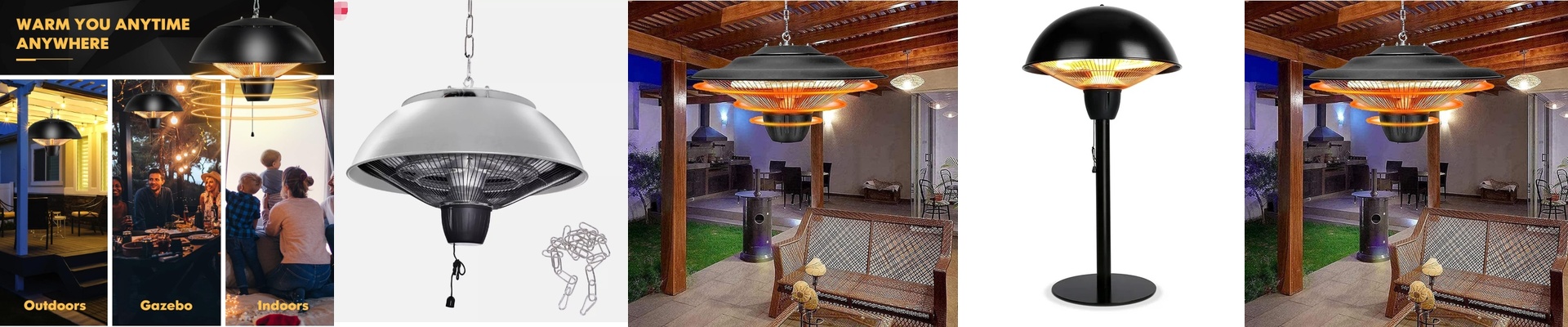
These heaters use short-wave infrared. Basically, they don’t waste time heating up the air in the room—they send the heat straight to you. We use high-purity quartz because it lets that heat pass through without getting blocked. And when we say “explosion-proof,” we really mean the tube is built to handle the internal pressure of the halogen gas. Even if a tiny micro-crack happens, the tube holds together. The best part? You get warmth the second you flip the switch. No waiting around in a cold bathroom.
A Few Tips for Installation
We put these in recessed ceiling mounts for a reason. Keeping the element tucked away means you aren’t accidentally bumping into it or touching it. But a quick heads-up: “explosion-proof” doesn’t mean “indestructible.” If you use a reflector that’s too small, heat builds up at the ends of the tube and it’ll burn out way faster than it should. Just make sure your ventilation is dialed in so the housing doesn’t overheat. Also, please—stick to the voltage specs. It’s tempting to over-volt the tube to try and get “more heat,” but all that does is chew through the quartz coating and kill the filament. Keep it simple, wire it right, and it’ll last.