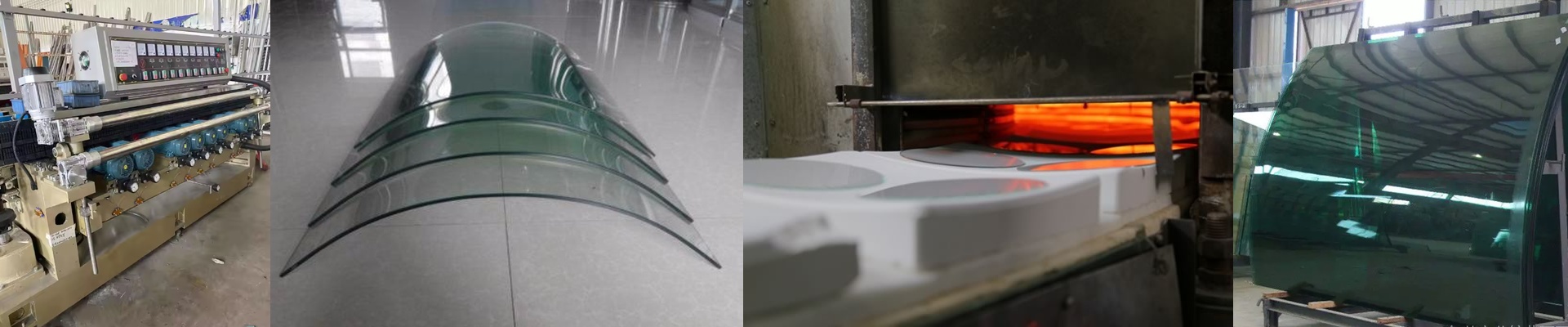
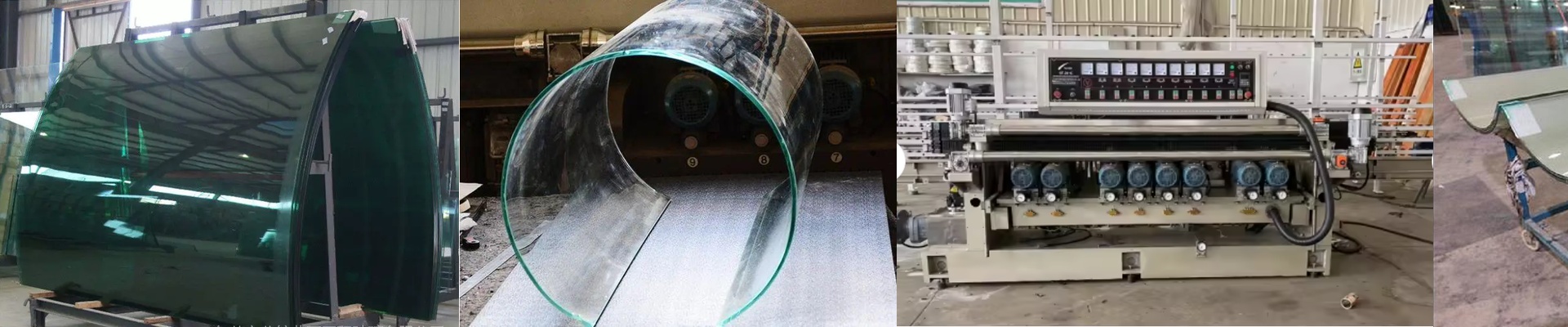
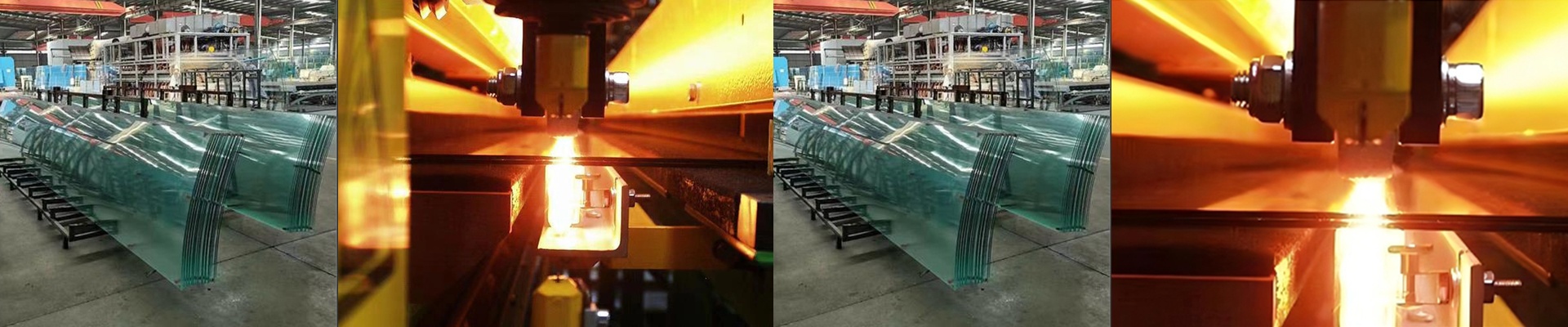
On the glass line, seconds and kilowatt-hours both hit the P&L. If you’re cutting preheated glass and the heat isn’t even, or the ramp is too slow, you’re inviting thermal stress, micro-cracks, and scrap. Convection ovens stretch cycle time and throw energy at the plant air instead of the sheet. We built infrared heaters for glass cutting to cut that waste at the source. What matters under the hood We run short-wave quartz emitters tuned to soda-lime and low-iron absorption. That gives you fast, volumetric heating with minimal air movement—surface heats without bleeding energy to convection losses. Power is sized for industrial duty: typically 12–40 kW per module, 400 V three-phase, with dense emitter layouts that keep power density even across the cut zone. Integrated reflectors keep the flux on the glass, not heating the frame. Control is straightforward: SCR or PID with thermocouple feedback, so you can lock in repeatable temperature profiles for scoring and separation. Warm-up is under 30 seconds, and setpoints stay stable even when ambient shifts. Why it plays in cutting Speed only matters if it’s repeatable. These heaters bring the glass to score temperature fast, so the cutter keeps pace with the line instead of chasing drift. Uniform heat distribution lowers edge stress, which improves yield and trims scrap. Energy use drops because the heat goes into the glass, not the surrounding air—plants typically see double-digit percentage reductions in kWh per square meter compared with convection. The modules drop into existing frames, so changeover time stays minimal. Field notes you’ll appreciate Infrared is line-of-sight, so emitter placement and clearance need to match glass thickness and geometry. Keep reflectors clean and put quartz integrity checks on the schedule—high temps and thermal cycling will show wear eventually. Plan for proper cooling and solid electrical isolation; the housing gets hot, and the current demands robust connections. Match the control strategy to your process window, then lock it down with documented settings. Do that, and you’ll cut energy costs while keeping the line moving.