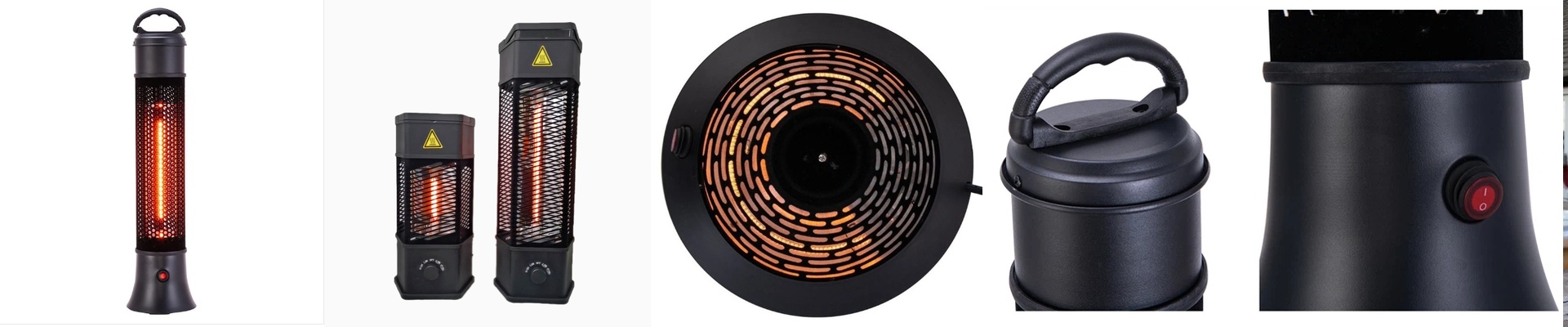
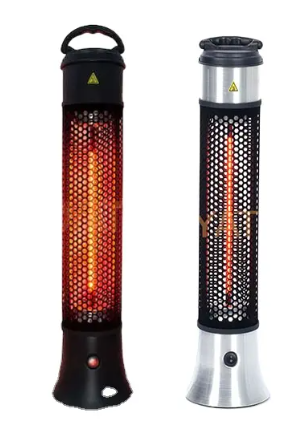
Cold mornings on the road, or that sudden drop after sunset, can turn a cozy caravan into a chilly box. Convection heaters stir up drafts and noise, and they’re slow to catch up. You want warmth that hits fast, holds steady, and doesn’t murder the battery.
What matters, technically
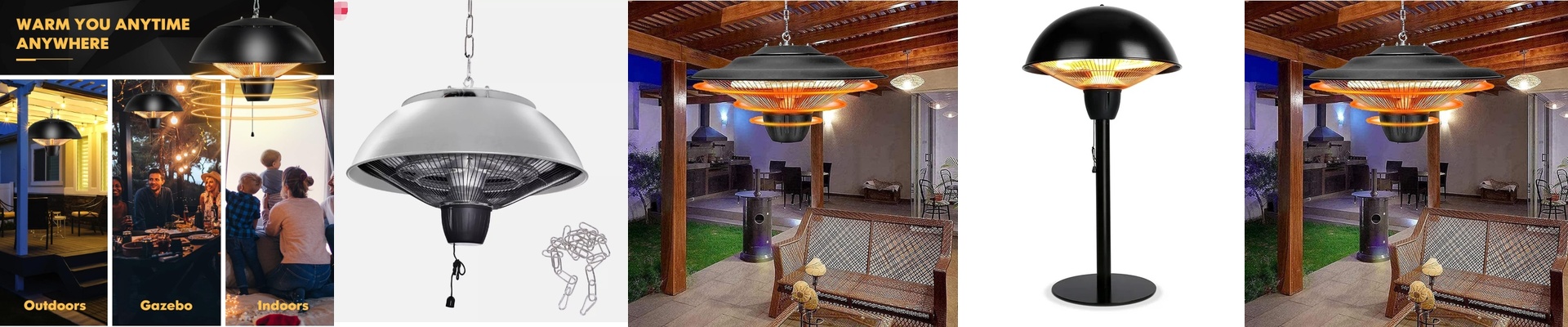
We built this electric infrared heater around radiant heat, working the way the sun does—delivering warmth straight to people and surfaces, not to the air. Inside, a carbon fiber element comes up to temperature quickly and spreads a broad, even field of infrared warmth. The unit is sized for tight spaces, typically pulling around 1.2–1.5 kW, and runs on standard 230 V shore power or a properly sized inverter. A built-in thermostat holds the cabin at your comfort level, and a tough outer grill plus tip-over protection keep things sensible. If you’re doing outdoor-ready installations, look for an IP rating that can take splashes and weather.
Why it clicks in a caravan
The payoff is how fast you feel comfortable. Infrared heat starts immediately, so you’re not waiting around for the air to warm up. That translates to fewer cold starts, more stable temperatures overnight, and less condensation on windows. Because the warmth is directed where you need it, the heater still feels effective even when the van is drafty. It’s quiet, too—no fan noise to wake you. Energy use stays reasonable, since you’re heating people and objects, not wasting watts on empty air.
The practical bits
This heater needs a dedicated circuit and proper mounting, well away from combustible materials. It performs best when matched to the caravan’s power setup; if you’re running off battery, confirm inverter capacity and cable sizing. Infrared warms people directly, so it won’t feel like the “hot air” blast of a fan heater. Positioning matters.Aim it toward the main seating and sleeping area for the best comfort.