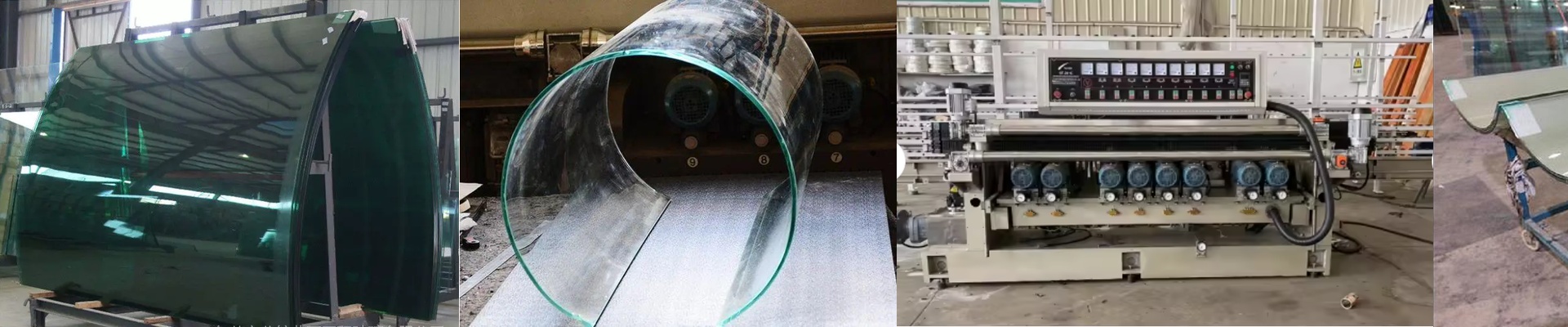
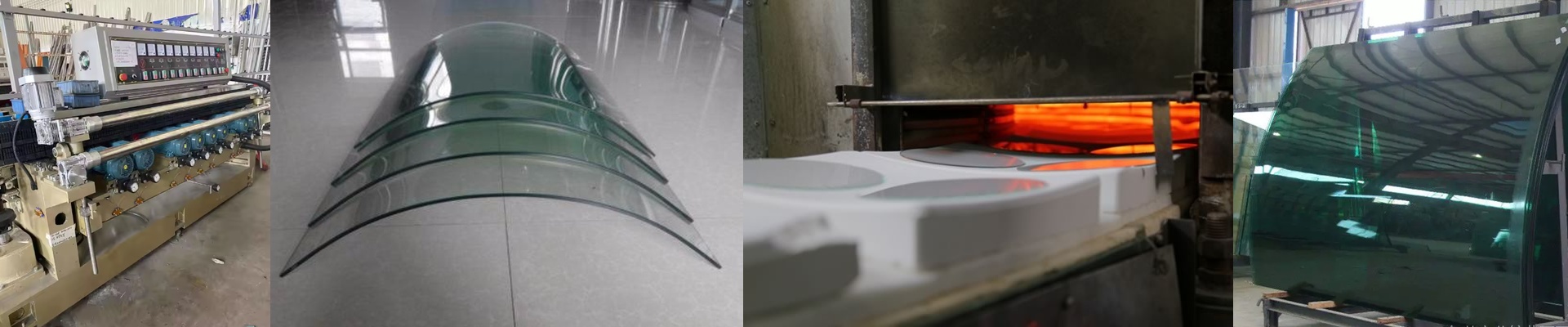
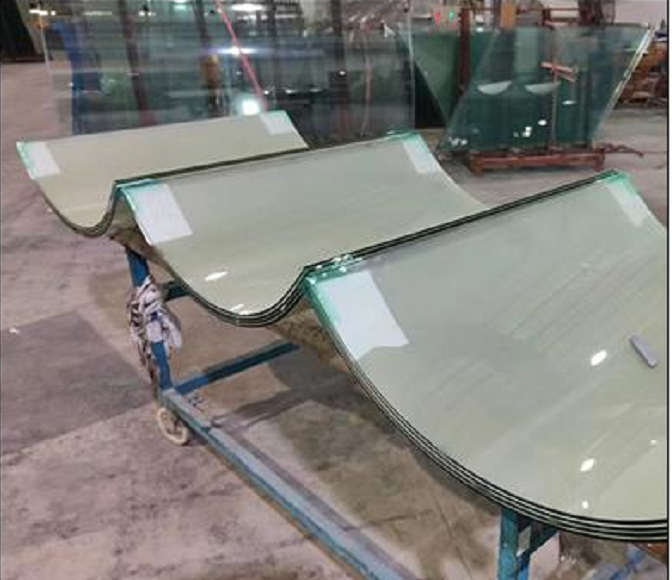
On the slumping line, heat isn’t just heat—it’s the lever that sets shape, surface finish, and yield. When the heating profile drifts, you start seeing optical distortion, thermal stress cracks, and scrap that quietly eats your margin. We built this infrared lamp system for the reality of high-power, high-throughput slumping: the furnace has to hit setpoint fast, hold uniformity across the glass, and do it without turning energy cost into an ongoing tax.
What matters, technically
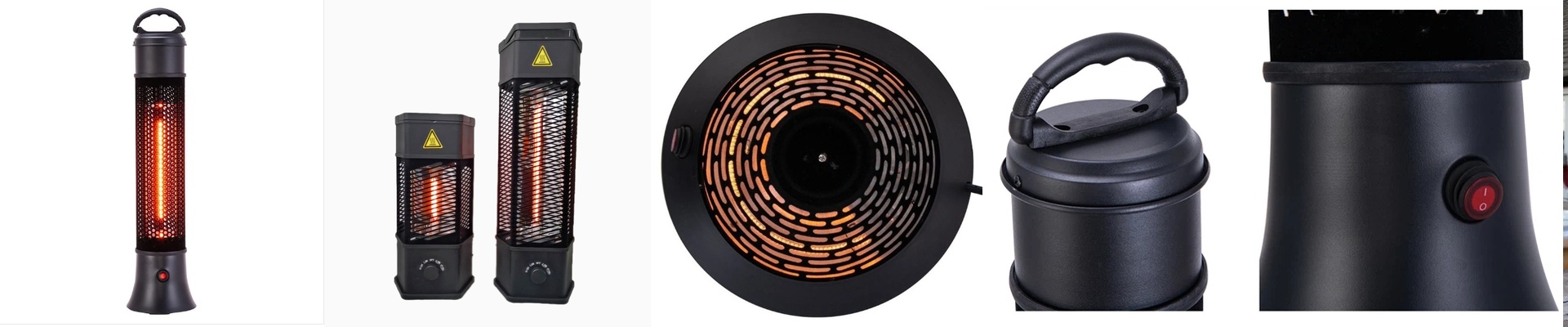
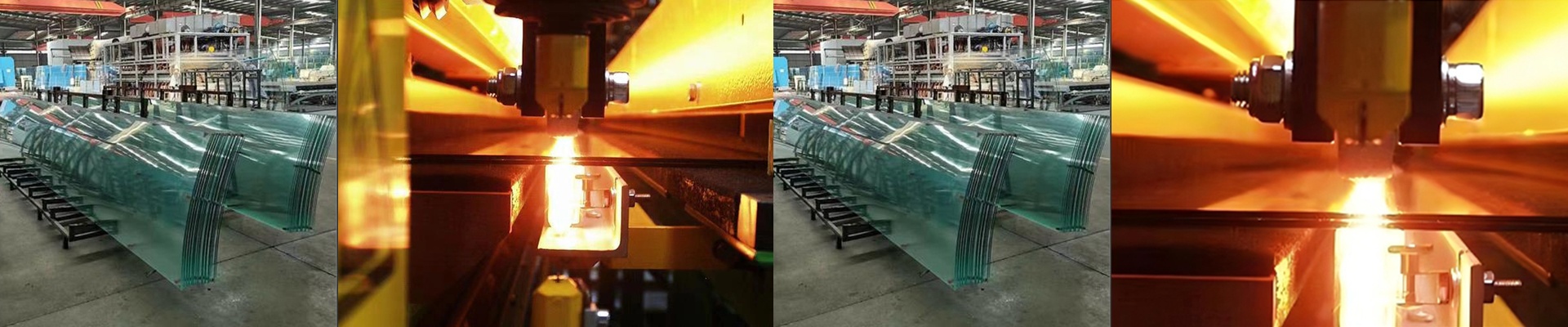
We run high-output NIR quartz emitters matched to glass absorption, so the energy goes into the sheet—not into heating air and fixtures. That gives you rapid response: setpoint in seconds, not minutes, so you can shorten slump cycles without losing control. The lamp body is industrial-grade: high-temperature terminals, solid ceramic mounts, and a compact form that drops into existing oven zones. Spec it for the power and length your line needs, with standard voltages and connector options that line up with your machine interface. Control is practical, too. Closed-loop temperature feedback keeps the thermal field stable—exactly what you need when you’re pushing thin glass or tighter curves.
Why it holds up in production
Slumping is all about a repeatable thermal map. If one zone runs hot, the glass sags unevenly. If it runs cold, the bend fights the mold and you get rejects. With these infrared lamps, you get tight, adjustable zone control so the heat profile can follow the part geometry. The payoff is direct: fewer reworks and a higher first-pass yield. Energy use drops because the emitter targets the glass directly, cutting wasted convection heat. In practice, shorter heat-up and a stable hold shorten cycle time, and fewer temperature swings mean less stress locked into the glass. Over a shift, those minutes turn into more parts per hour and a lower cost per square meter.
The details that keep it running
These lamps are built for high-temperature oven environments, but they still need proper clearance and airflow around the element to keep output stable and service life long. Expect a focused emissive field—great for direct heating, but less forgiving in setups that lean on reflected heat alone. Installation is straightforward on standard mounting spacing, but before changeover, confirm your oven’s power bus, voltage, and control compatibility. Plan for routine inspection of terminals and ceramics, and match lamp output to your glass thickness and emissivity so the thermal profile stays clean.