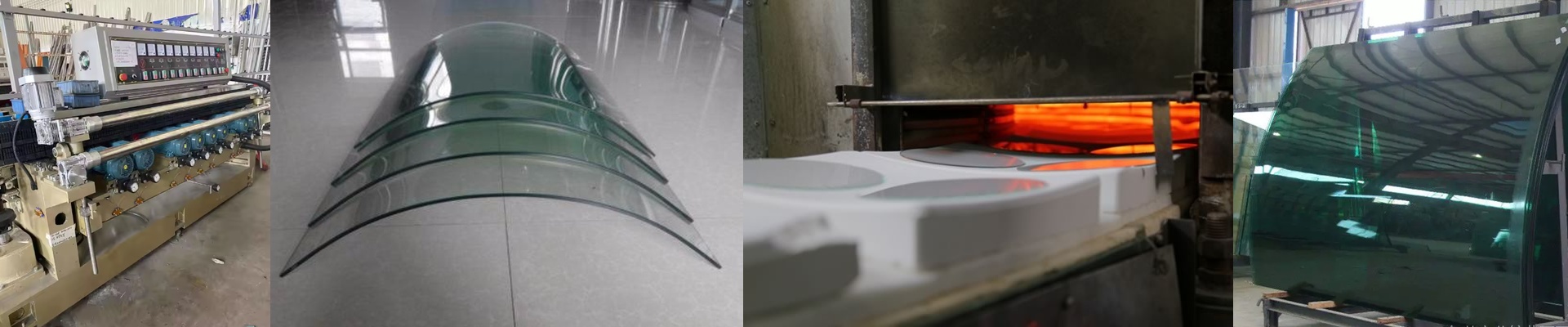
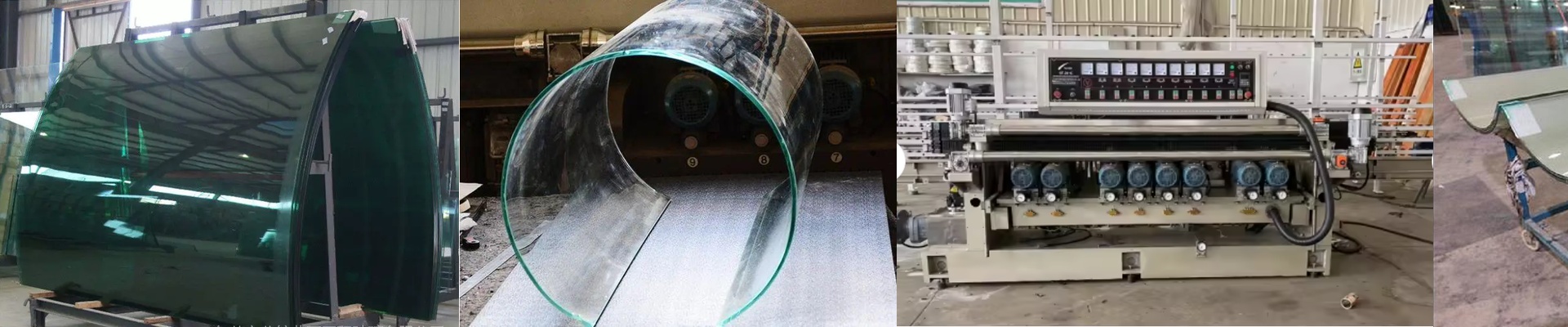
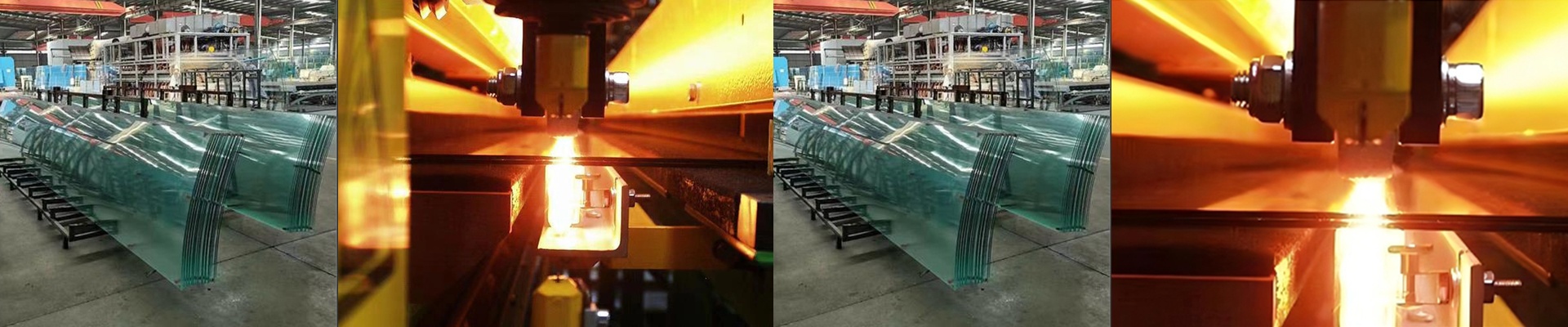
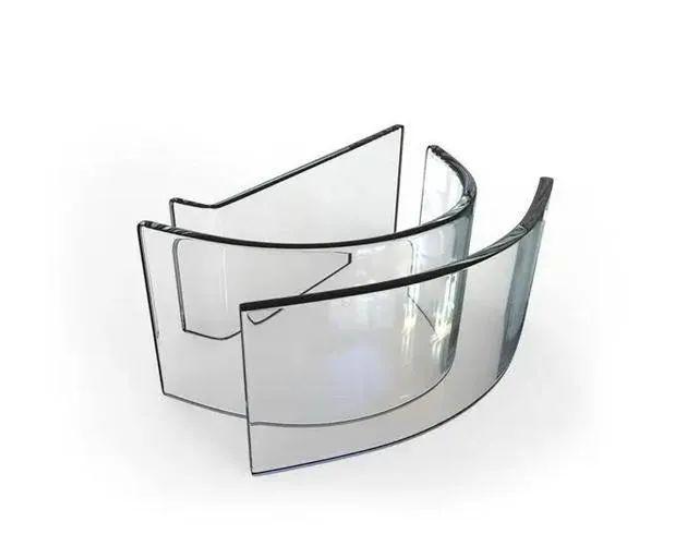
Out on the line, glass stress doesn’t send a warning. You see it after the fact—tempered panels kicked out, bending profiles that don’t sit right, and lamination bubbles that pop up once the autoclave cycle is done. Convection heating tends to leave uneven thermal fields, and that’s how you end up with trapped thermal stress. We built stress relief infrared modules to hit the problem where it lives—controlled, localized heat right where the glass needs it. What matters under the hood We run short-wave infrared emitters in a quartz envelope, tuned for quick response and stable output. They ramp fast, keep the thermal profile tight, and cut soak time while the glass surface stays within a narrow temperature window. The emitters can be set up for 230 V or 400 V, and the arrays drop straight into standard heating zones. In practice, you get faster cycles without the hot spots that create uneven stress. Why this works where it counts In tempering, we use an infrared burst to even out the temperature before quench. That reduces edge and corner stress concentrations—the usual suspects behind breakage. On bending, the module heats the mold contact zones evenly, so sag stays consistent and optical distortion stays under control. For EVA/SGP/PVB lamination, preheating the stack drives out trapped air and improves adhesion uniformity, which cuts voids and keeps rework off the schedule. In coating drying, the controlled heat flux prevents solvent trapping. And for insulating glass sealing, we pre-condition the primary seal so the extrusion profile stays stable. The result is fewer rejects, steady throughput, and lower energy use per unit. A few field notes Installation is straightforward, but alignment is the detail that makes or breaks it. You have to position the emitters to match the glass emissivity and the part geometry. Reflection off metal fixtures can cause localized overheating, so plan for shielding and proper spacing. Expect a short commissioning run to set power limits and dwell times for each process. Once those are dialed in, the modules run with minimal maintenance and consistent output for thousands of hours.