Making Your Outdoor Heater Actually Last
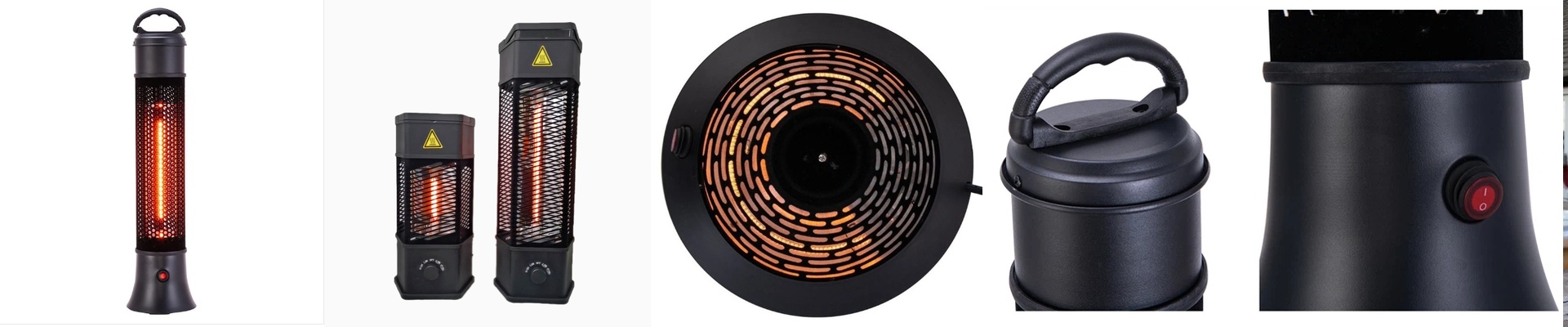
If you’ve ever put an infrared heater on a patio, you know the struggle. You turn it on a chilly night, and while it feels great for a while, the elements are working against you. The biggest enemy? Moisture. When that scorching heating element hits the cold night air, you get condensation. It’s a recipe for disaster. Without the right protection, you’re looking at short circuits or a burnt-out filament way sooner than you’d like. Keeping the water out A lot of companies throw the word “waterproof” around, but that doesn’t tell you much. We take a different approach. We focus on the actual seals—the gaskets around the housing and the electrical junctions. The goal is to stop rain and splashes from hitting the live terminals. When water hits those spots, you get arcing. That’s usually what kills those cheap heaters you see everywhere. We make sure the unit can breathe, but the water stays where it belongs: outside. The fog problem Then there’s the fog. If moisture builds up on the quartz tube or the reflector, your heat output tanks. It’s like trying to look through a steamed-up window. If the lens fogs up, the infrared waves scatter instead of hitting you. We use specific coatings and airflow paths to clear that moisture out fast. This keeps the heat focused on you, not wasted on drying out the heater’s own housing. A quick heads-up on the trade-off Here is the honest part: when you seal a unit tightly to keep water out, heat gets trapped inside. It’s just physics. Because of this, the internal parts run a bit hotter than they would in an open-frame heater. Just make sure you give the mounting bracket plenty of room. If you crowd it, the chassis can overheat. We build these things to take a beating. By keeping the electrics dry and managing the dew point, we can stretch the life of a heater from a couple of seasons to several years. You get steady, reliable warmth without the annoyance of replacing burnt-out parts every single winter.