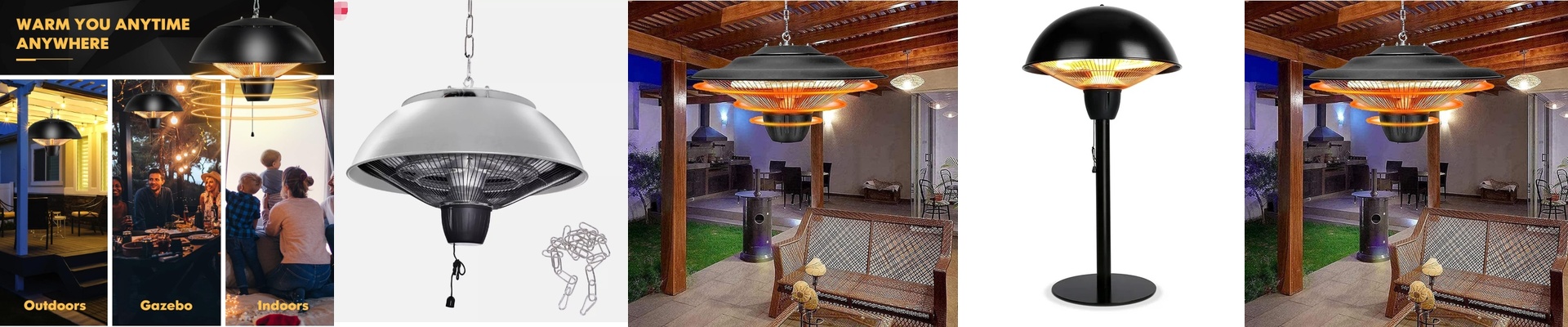
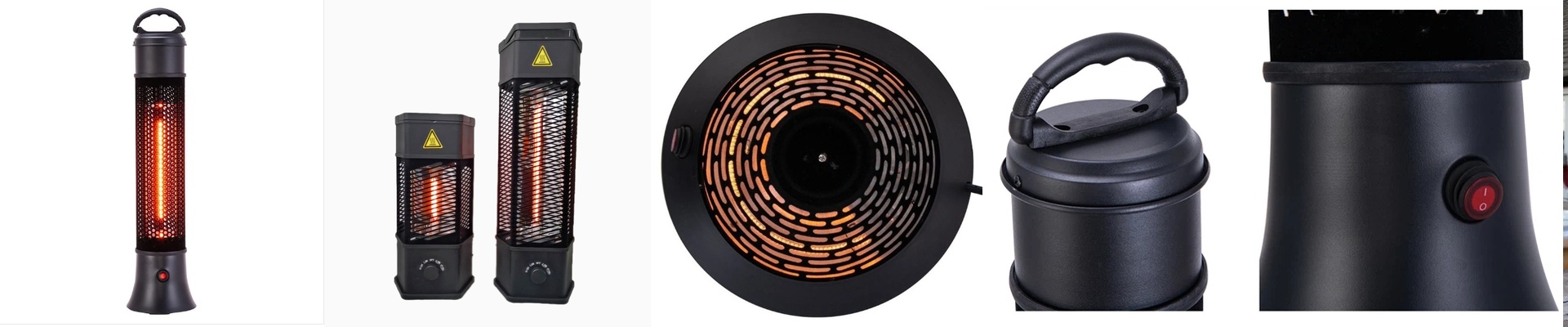


When winter really sets in, your pet’s space can’t run on hot-air blasts that dry out coats and irritate lungs. You need warmth that feels natural, and that’s exactly where infrared electric heaters earn their keep. Infrared delivers radiant heat that warms bodies and surfaces directly—think sunlight, without the dust circulation or drafts. For animals, that translates to gentle support for circulation, less stiffness in older joints, and a steady microclimate that keeps stress down. What matters under the hood We built this timer electric heater around a carbon fiber infrared element, chosen for even output and long life. It throws focused warmth in the short-to-medium wave range, working through fur and bedding to warm the animal—not just the air. A built-in timer lets you set on/off windows, like daylight hours or overnight cycles, so heat only runs when it’s needed. Paired with a thermostat, the unit holds a stable temperature, avoiding swings that can make pets pant or pace. Safety is practical: tip-over protection shuts the heater off if it gets knocked, and a protective grill keeps curious noses and paws at a safe distance. Why this approach fits a pet space Comfort here is health. Infrared warmth helps circulation, which relaxes muscles and supports overall well-being—especially for seniors or short-coated breeds. Convection heaters tend to cycle hot and cold; radiant warmth stays consistent, so animals settle instead of constantly shifting away from the heat. The timer keeps routine predictable, which calms anxious pets, and it trims energy use by preventing continuous operation. The result is a quieter, steadier space—less noise, fewer drafts, and a temperature you can trust. The details that make it work Infrared heats objects and animals directly, so the air temperature can feel a bit cooler than the floor level. For best results, aim the heater at bedding and resting zones, not open walkways. Keep clearances clear and route the cord where it can’t be chewed. This model is for indoor, dry environments; if you need moisture protection, look for an IP-rated outdoor-rated version. Set the timer and thermostat to match your pets’ habits, and start on the low side—they’ll let you know fast when it’s just right.