
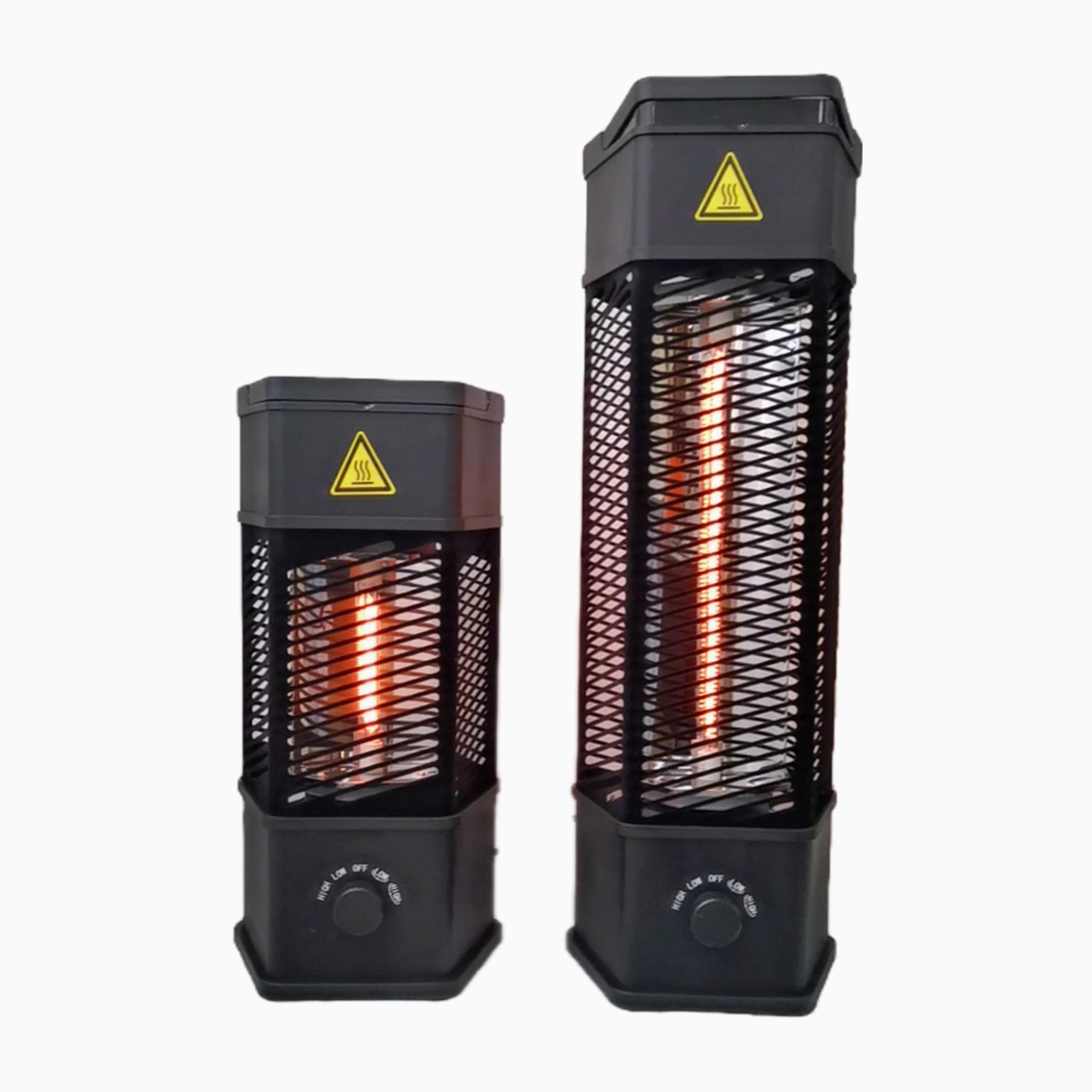
Why Most Infrared Heaters Actually Fail
Here is the dirty secret about standard infrared heaters: they almost always die at the connection point. When you’re pushing these units to their limit, the lead-wires just take a beating. The heat doesn’t stay where it’s supposed to—it crawls up the wire, eats away at the insulation, and eventually turns everything into carbon. That’s exactly why those cheap, budget units short out and leave you hanging.
The “Slow Burn” Problem
Most generic heaters rely on basic shrink-wrap or some low-grade silicone. It looks fine at first. But these materials aren’t built for the constant heating and cooling of an industrial lamp. Eventually, the seal cracks. It’s a tiny gap, but that’s all it takes. Once oxygen and moisture sneak inside, the insulation burns out and—pop—your heater is dead. We do things differently. We use a mix of high-density ceramic potting and heat-resistant polymers. It creates a tight, airtight seal that basically tells the heat, “You can’t come this way.” By blocking that heat from traveling back into the electrical leads, we stop the oxidation process before it even starts.
Why the Process Matters
You can’t just do this by hand in a workshop. To get it right, you need precision molding. Why? Because even a tiny air gap in the seal becomes a “heat pocket.” Those pockets accelerate the aging of the wire and kill the unit faster. By getting rid of those gaps, we move all that thermal stress away from the solder joints. It’s a small detail, but it’s everything.
A Quick Heads-Up
There is one trade-off. Because our sealing is so heavy-duty, the point where the wire exits the seal is pretty rigid. Don’t try to bend the wires at a sharp angle right there. If you force a tight bend during installation, you might crack the potting compound. Just leave a little bit of a service loop—give the wires some room to breathe. It’s a simple habit, but it means your heaters won’t trip the breaker six months into the job. It’s the difference between a part you have to replace every season and one that just keeps working for years.