
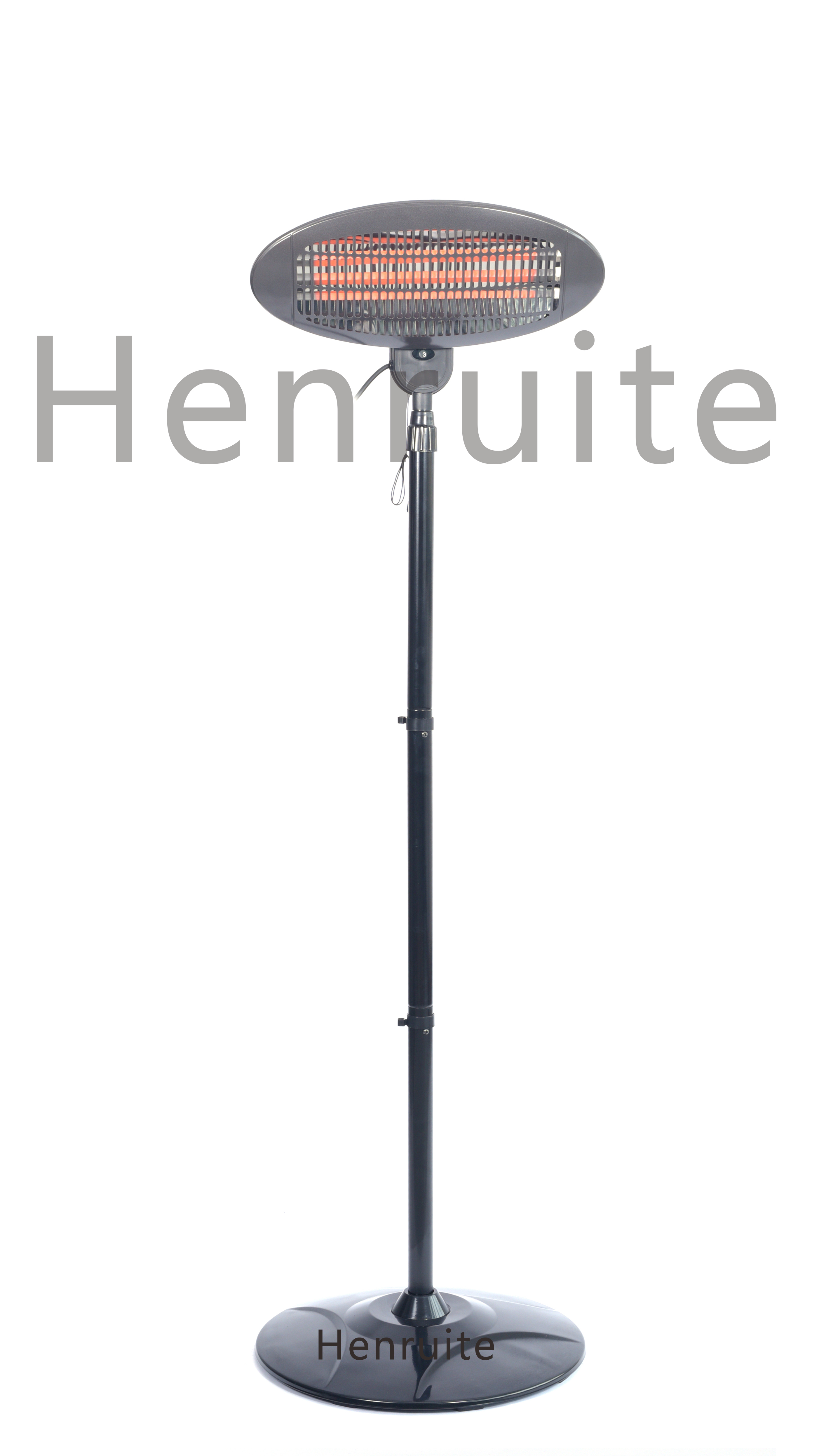
Stop Fighting Your Ceiling Heaters
Most people buying industrial heaters only care about one thing: how much heat do they put out right now? But nobody thinks about what happens five years later. Usually, when a heating element finally gives up the ghost in a standard ceiling unit, you’re stuck. You either rip out the whole chassis or spend half a day on a ladder, swearing at rusted bolts and stripped screws. It’s a nightmare. We got tired of that, so we built our infrared heaters differently.
The “Pop and Swap” Method
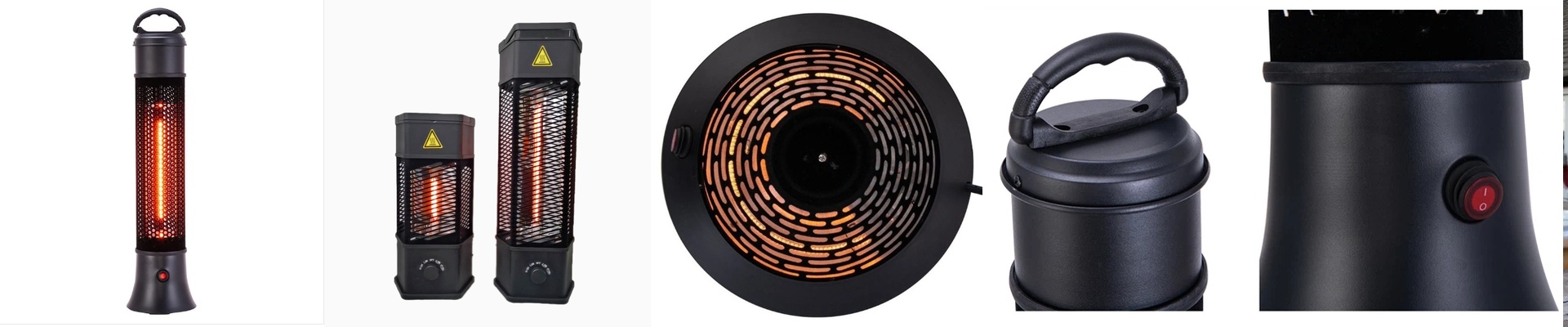
We decided to stop hard-wiring everything into the core housing. Instead, we decoupled the heating tubes from the main frame. We used quick-release brackets and connectors that actually click into place. Here’s why that matters: if a tube fails, you aren’t tearing the whole thing down. You just pop a clip, slide the old tube out, and drop a new one in. It turns a grueling afternoon of maintenance into afifteen-minute job.
A Little More Space, A Lot Less Stress
Now, to be fair, this design takes up a bit more room. Because we use connectors instead of soldering everything together, the heater has a slightly larger footprint. But honestly? It’s a trade-off I’ll take every single time. Integrated units are cheaper to build, sure. But they’re expensive to own. When a unit fails and your production line stops because the shop is freezing, that “cheap” heater suddenly becomes the most expensive thing in the building.
Real-World Use
When you’re actually wiring these in, the modular setup is a lifesaver. You can isolate specific zones. If one section of your ceiling array is taking a beating—maybe because of a weird draft or a ton of dust buildup—you can swap that one module without killing the power to the entire grid. Your crew stays warm while you fix the problem. If you’re an engineer spec-ing these out, do yourself a favor: look at the access points. If you need a scissor lift and a full teardown just to reach an element, the design is broken. We made sure the element is the easiest part to change. Because that’s the part that actually breaks.