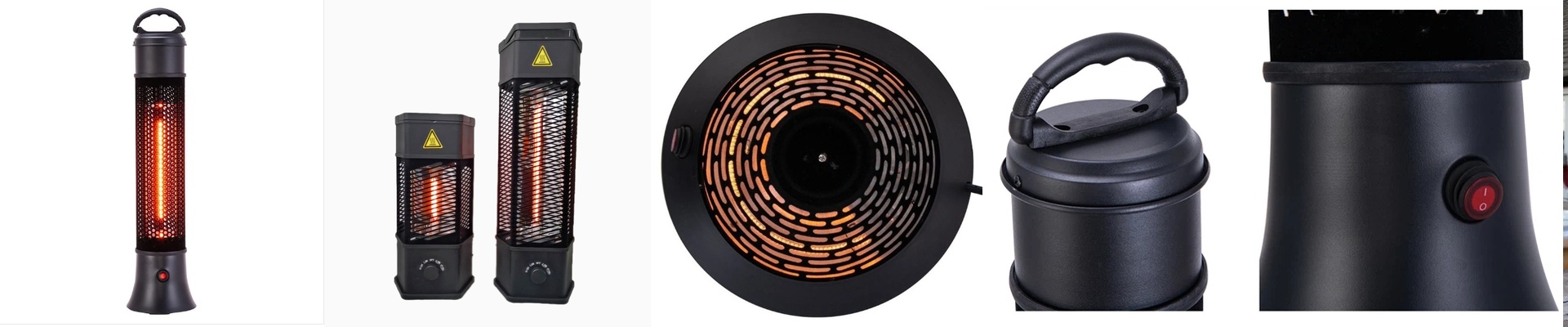
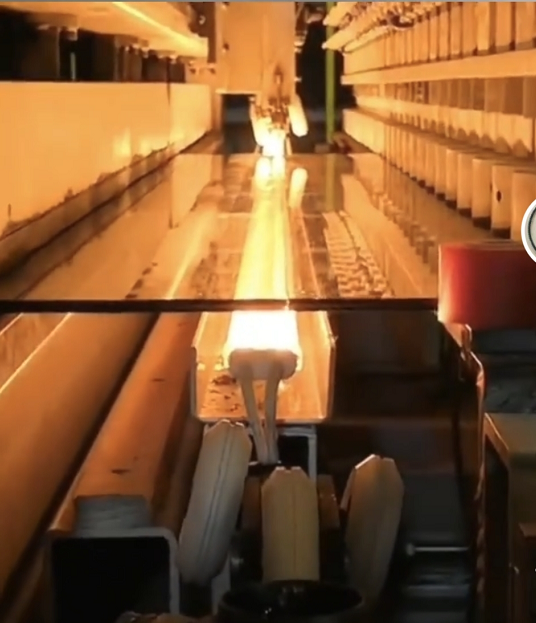
Out on the line, the lamination press sits idle while it waits for heat—and every minute it’s down is money going up in smoke. Standard heater lamps tend to sprint to full power, then dump a lot of it into heating air through convection instead of the glass. The ramp-up drags, thermal stress gets baked into the windshield, and the whole cell slows down. What matters under the hood We set this automotive windshield heater lamp up with short-wave NIR quartz elements because they snap to temperature and give you tight control. The spectrum puts the energy where glass and interlayers actually absorb it, not into warming the air. Input power is tuned to the press profile, and the filament geometry stays stable so the thermal field stays even across the windshield width. You get repeatable ramp rates, less temperature banding, and consistent emissivity response shift after shift. Why it plays in windshield lamination Windshield lamination doesn’t give you much room: heat fast, hold steady, then cool on schedule. This lamp hits setpoint quickly, holds without overshoot, and drops into standby when the conveyor pauses. The payoff is shorter cycle times, fewer rejects from thermal stress and optical distortion, and a lower kWh per part. In high-power heating bays, that also means real relief on demand charges and cooling load, while the lamp life outruns typical halogen modules. A few shop-floor details This lamp drops straight into many OEM fixtures, but the reflector geometry has to match your heating zone and clearances. Double-check mounting and terminal spacing, and make sure the power supply can handle the inrush at startup. The upfront cost is a bit higher than basic halogen, but the longer life and lower energy draw even it out over the year.