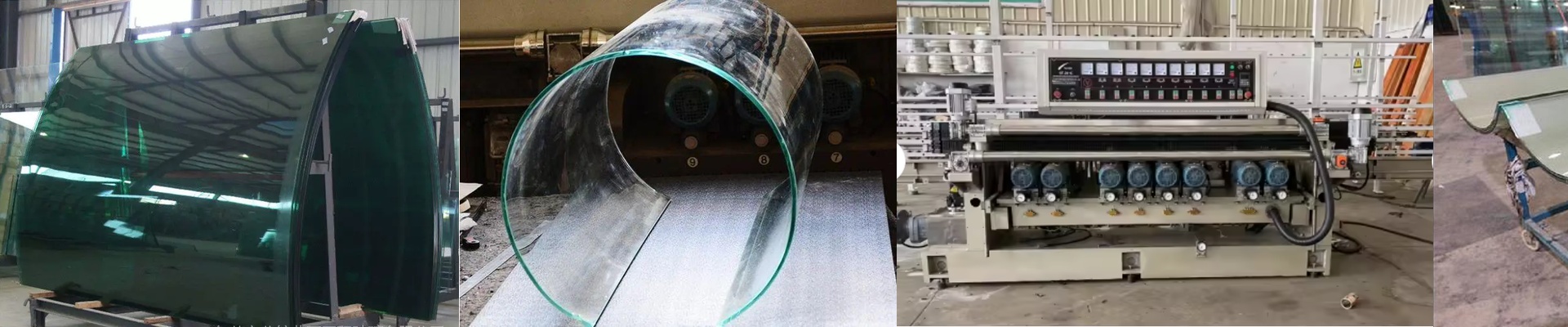
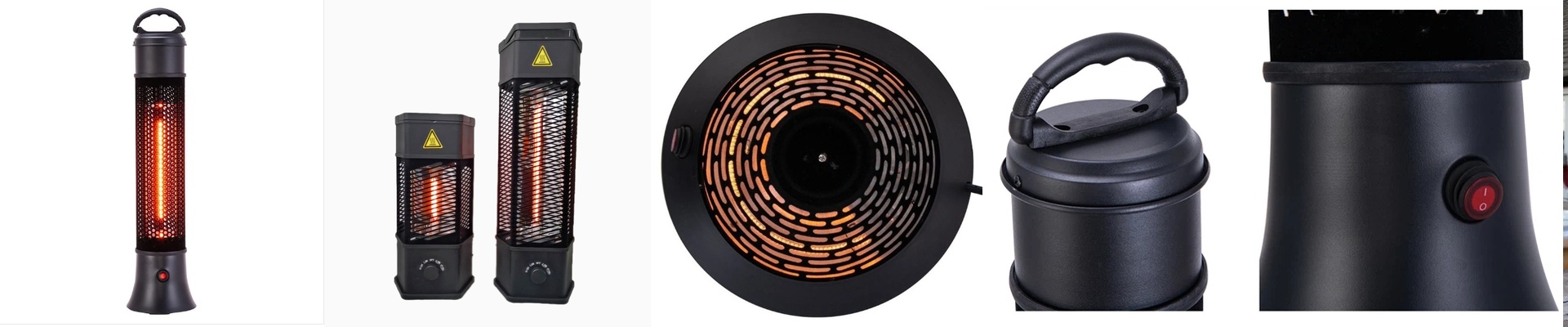
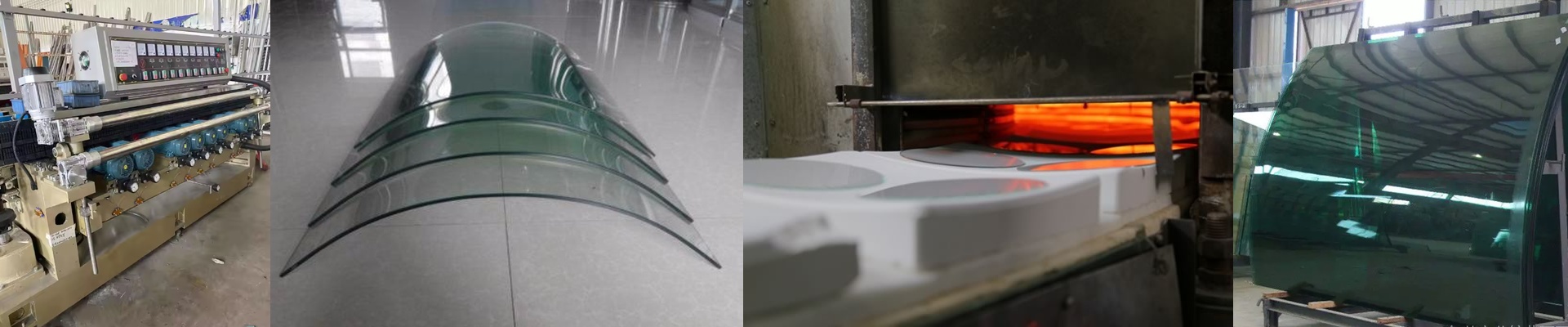
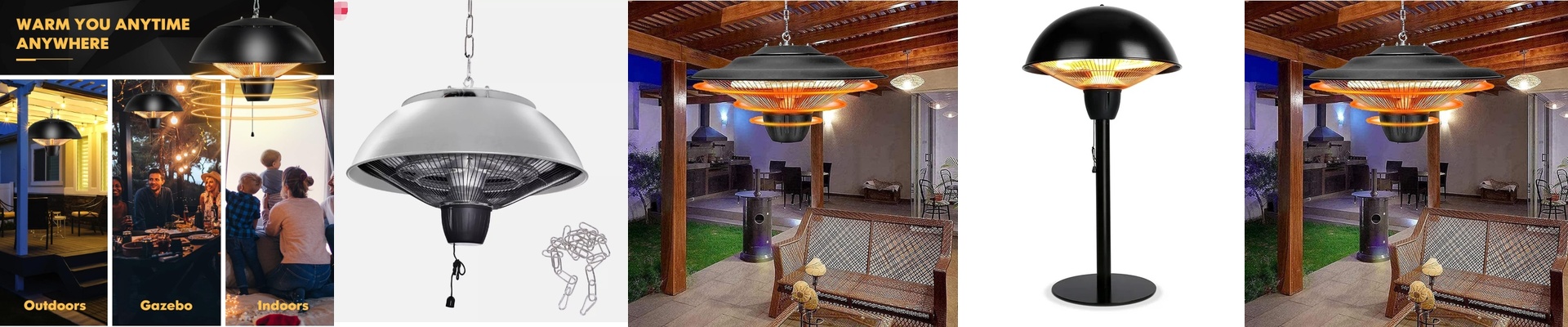
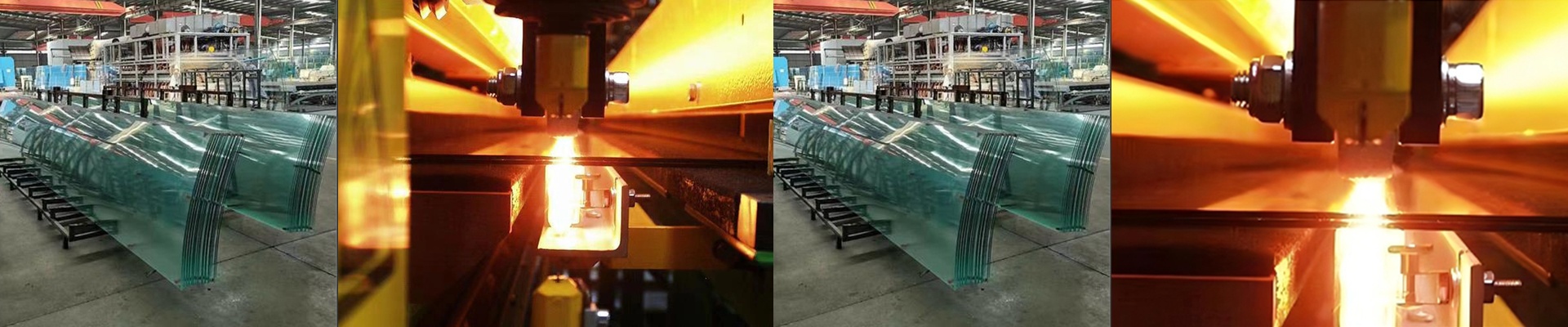
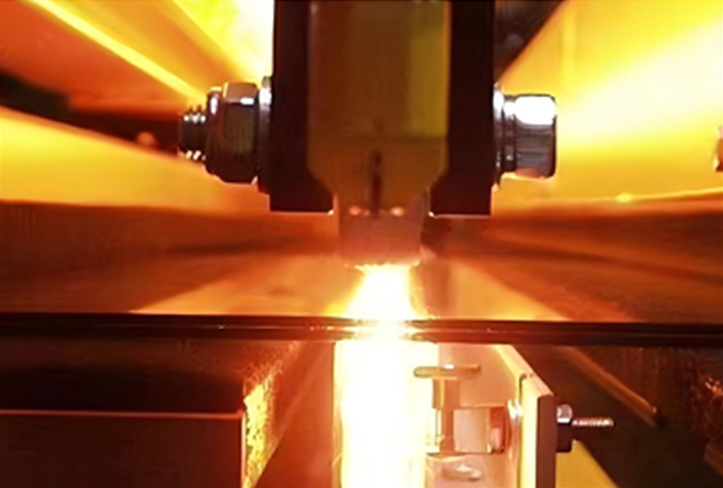
On the line, time and temperature don’t bend. A tempering furnace that crawls on heat-up, a bending station that keeps chasing setpoints, or a lamination press that holds too long—each one bleeds gas and cycles. Thermal swings? They’ll give you bow, optical distortion, and breakage before you even have time to scratch your head. We built our infrared heating lamps for exactly these conditions: high power, fast response, and control you can count on shift after shift. Here’s what matters under the hood. Our NIR quartz lamps run short-wave infrared with fast rise and fall times, so you hit soak quickly and cool on schedule. The filament geometry and reflector layout are tuned to spread the thermal field evenly across the glass, which cuts down the hot spots that drive thermal stress. In practice, that means fewer edge fractures in tempering, more consistent sag in bending, and stable temperature profiles across multiple sheets in lamination and coating drying. We size power and voltage to match industrial busbars and control cabinets, and spec terminations and ceramic mounts that can take vibration and thermal cycling without complaining. Why it plays in a glass plant. High-throughput lines live and die on uptime and yield. These lamps shorten heat-up and trim hold periods, so each shift can squeeze in more batches without pushing the furnace or oven past its design. That drops kWh per square meter. Because the energy goes into the glass with minimal convection, you spend less time heating air and more time heating product. The payoff shows up on the utility bill and in scrap: lower gas/electric use, fewer rejects from uneven curvature or stress fractures, and less rework from coatings that under-dry. A few things to keep straight. Infrared lamps are sensitive to reflector condition and mounting alignment. Dirty reflectors and loose fixtures will move the spot pattern and wreck uniformity. Plan for clean, accessible mounting and make inspection part of the routine. Also, make sure your controller can handle the lamp’s inrush and dimming range. Match the lamp to the control strategy, and you get stable setpoints, predictable cycle times, and consistent glass quality—without oversizing the system.