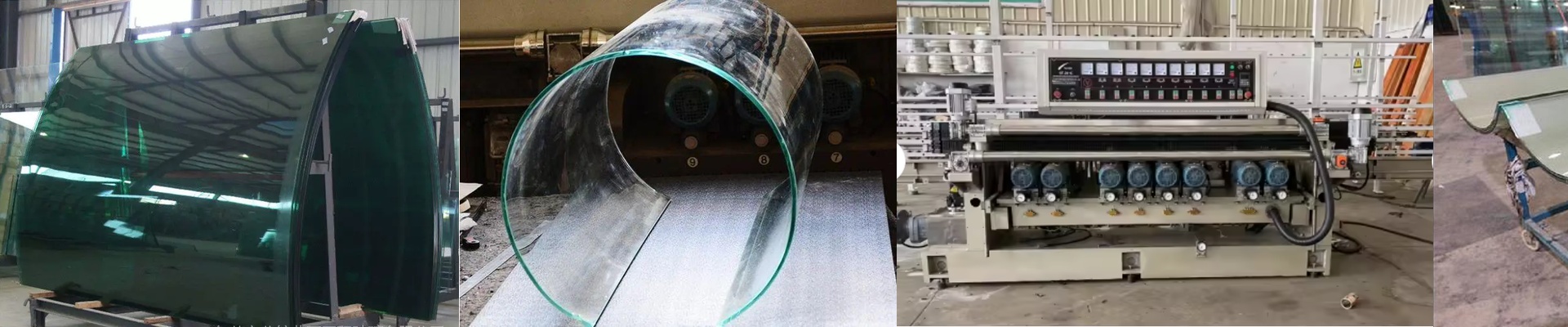
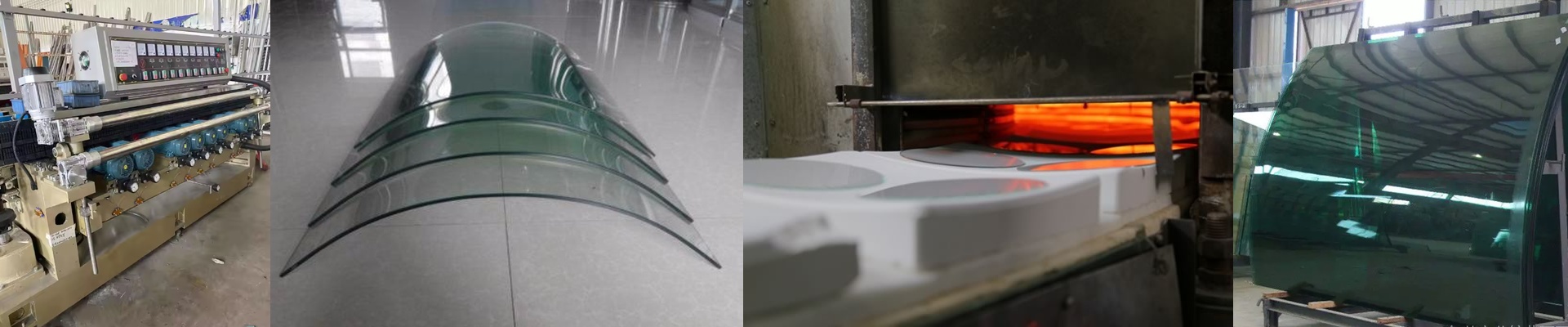
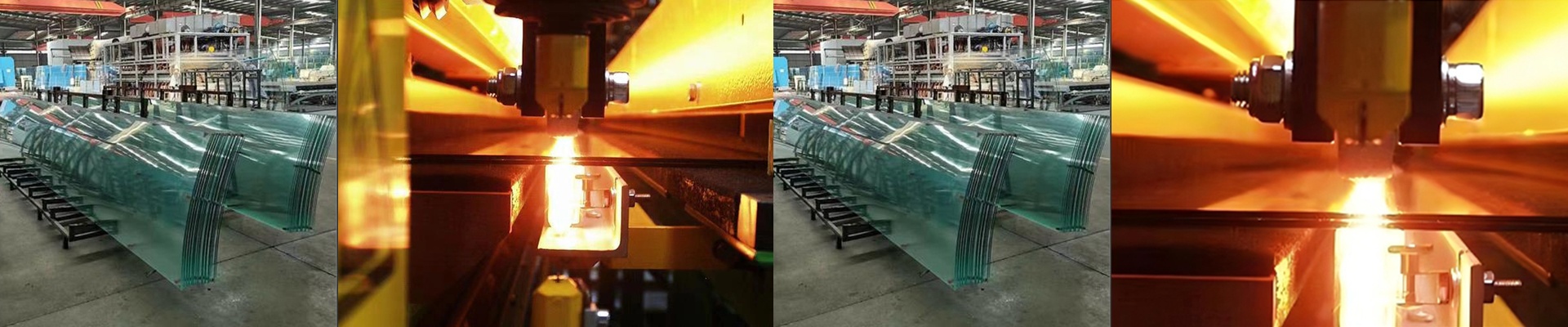
On the glass processing floor, downtime is measured in wasted furnace cycles and rejected tempered or laminated units. When an infrared lamp slips, the thermal field collapses—uneven heating creates optical distortion, thermal stress fractures, and adhesion defects. The infrared lamp mounting clip exists to stop that chain reaction before it starts. What Matters Technically We build the clip around a high-temperature quartz-reinforced body that holds position through repeated thermal shock, with a spring-loaded, non-marring contact face that applies repeatable force without distorting the lamp envelope. The interface matches standard mounting rails and brackets used on short-wave and medium-wave infrared modules, and the electrical termination is arranged to keep connections stable under vibration. Specs are straightforward: the clip maintains lamp alignment within tight tolerance, so the target zone receives the designed irradiance profile—no drift, no hot spots, no cold edges. Why It Works Here In tempering, the clip keeps the lamp array locked in place so quenching can follow a predictable thermal history—consistent surface compression, fewer breakouts. In EVA/SGP/PVB lamination, it preserves uniform heating across the layup, reducing bubbles and edge voids that show up later as field failures. The result is fewer adjustments, fewer lamp replacements, and a line that runs to cycle time rather than to troubleshooting. Energy use drops because the heating profile stays on target, avoiding compensatory over-temperature. Things to Know Installation is fast, but the fit must be checked against the specific lamp diameter and bracket geometry. Clips that are too tight can stress the quartz; too loose, and the lamp will chatter. Expect a short break-in period after the first heat-up as the materials stabilize, and always verify alignment with a simple visual and temperature profile check after maintenance.