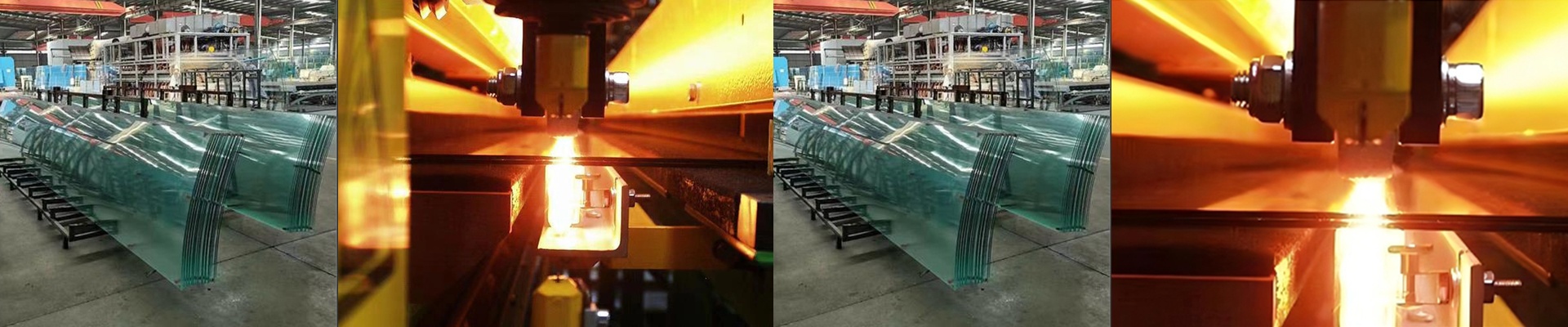
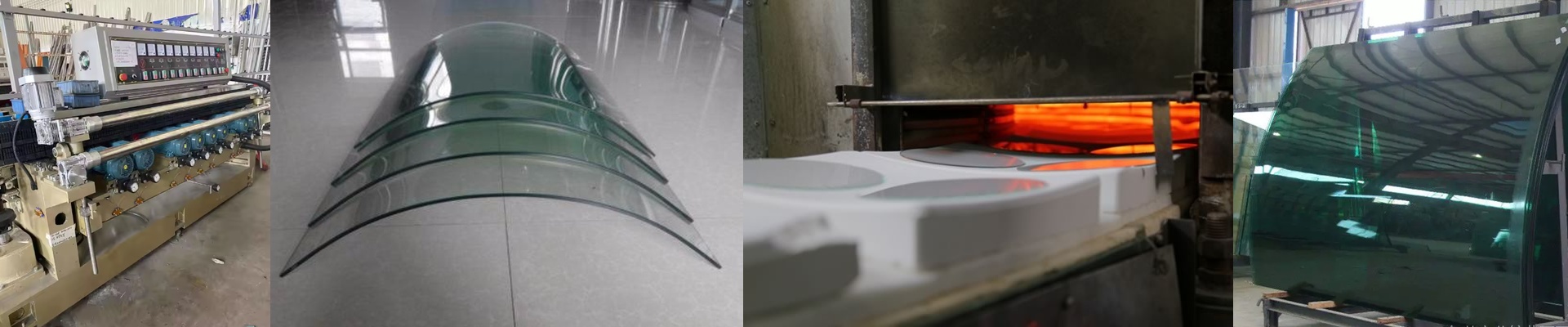
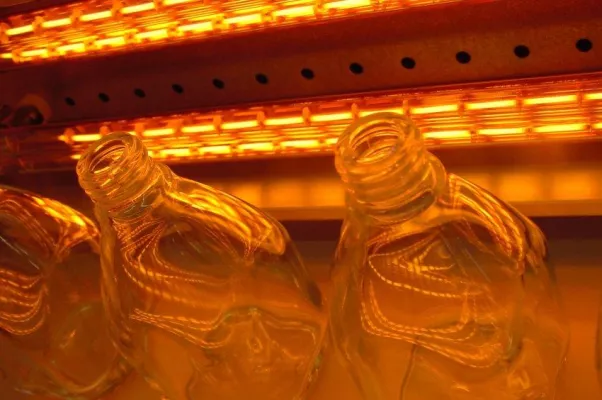
On the lamination line, the cutting heater is the bottleneck. Let the heat profile drift, and you’ll start seeing edge micro-cracks during EVA lamination. Or you’ll end up chasing temperature with long ramp-ups that kill throughput. We built our laminated glass cutting heaters to take that variability out and keep the line moving. What matters under the hood We run short-wave infrared (SWIR) quartz elements for fast, direct-coupled heating. The heat goes where you need it—into the interlayer and the glass surface—without dumping energy into the frame around it. The heater is rated for high-power industrial loads, with tight control of power density so the thermal field is uniform across the cut zone. That lowers thermal stress and keeps edge fractures from showing up when the lamination press cycles. The module holds repeatable setpoints, so you can lock in a process window for EVA, SGP, or PVB and run it shift after shift. Here is why it holds up on a real floor. In high-throughput glass work, time and energy are the same currency. Cut the ramp time, and the cutting station keeps pace instead of dragging the rest of the line. The focused profile boosts yield by cutting down rejects tied to inconsistent interlayer flow and edge quality. And because the heat stays focused, you’re not dumping waste heat into the shop—energy draw drops over long production runs. The payoff is fewer scrap sheets, stable cycle times, and a measurable reduction in kWh per pane. A few practical notes. These heaters are built for industrial duty, but they still need a clean power supply and clean alignment to the glass path. Check voltage and connector compatibility against your machine interface. Plan a short commissioning window to dial in dwell and temperature for your specific laminate stack. Once set, the unit runs with minimal maintenance, but keep thermal management tight and the elements clean—those two details are what keep performance stable over time.