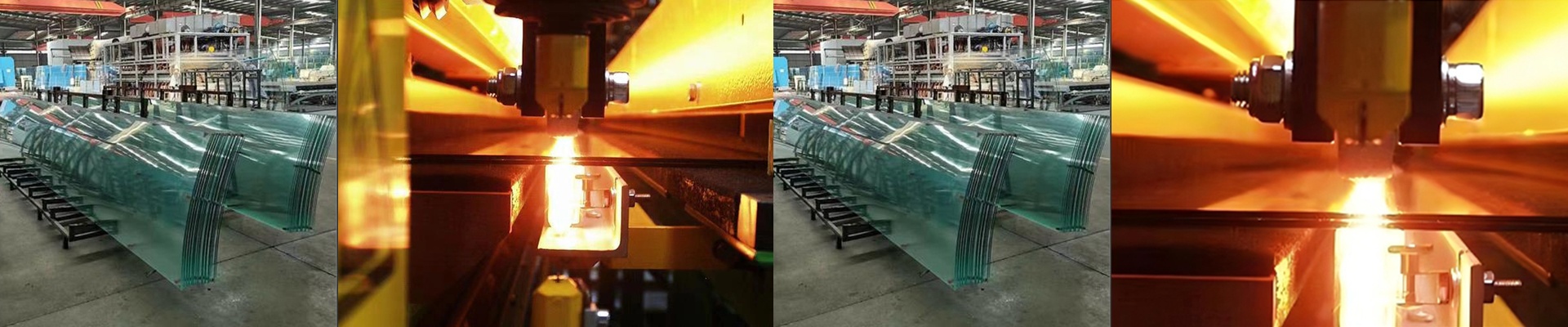
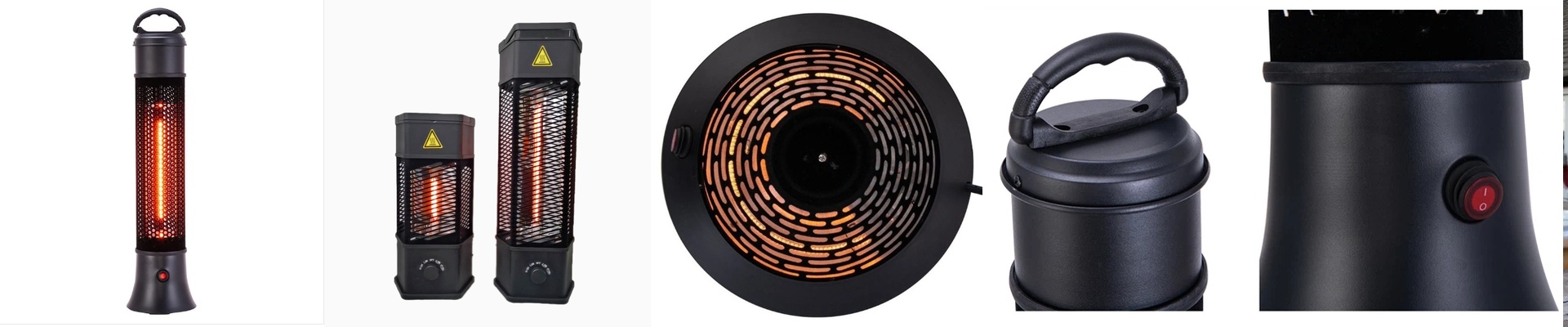
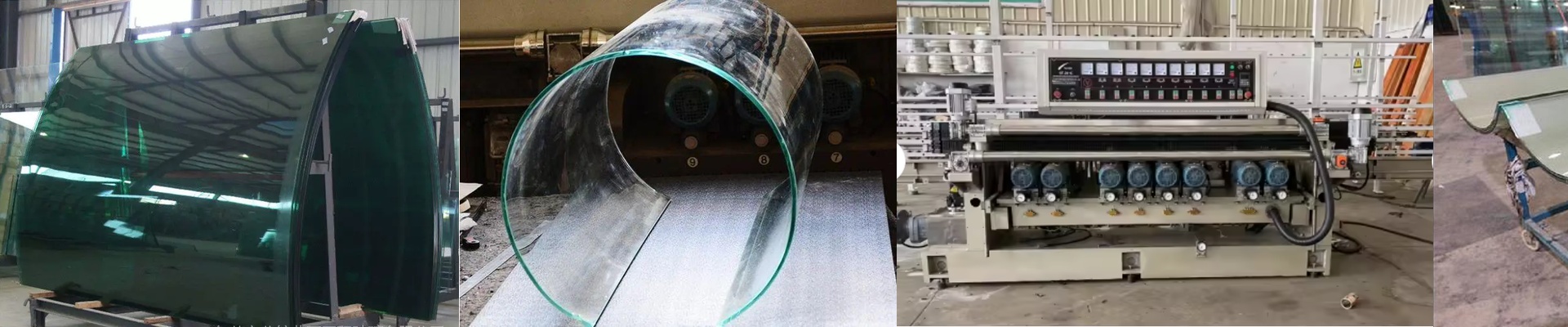
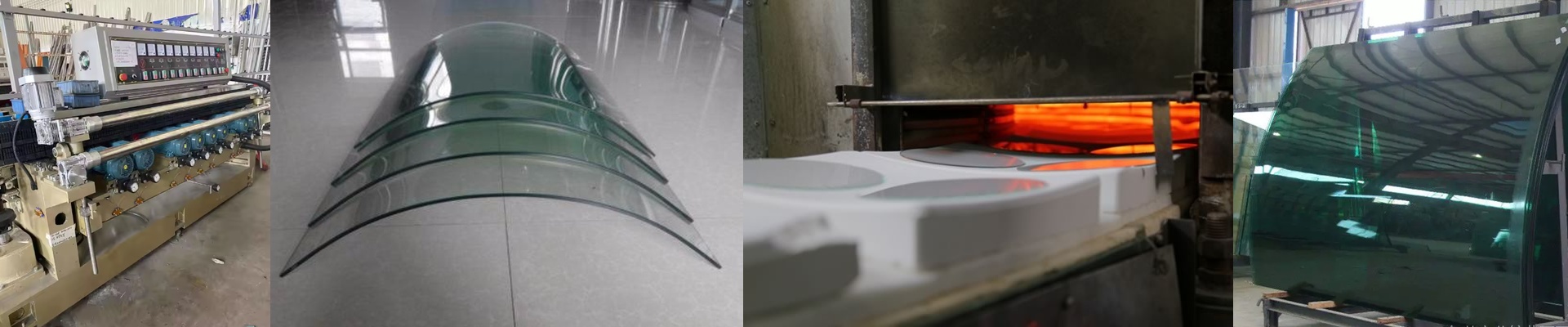
On the molding line, the bend profile is won or lost in the heating zone. If the heating element can’t keep up, you get spring-back, optical distortion, and glass that misses the radius check. Then the tempering furnace backs up and yield takes a hit. We built our glass molding heating element to hold a stable thermal field where it counts—across the whole mold surface, cycle after cycle. What matters under the hood We use quartz-sheathed resistance elements with fast response and tight watt-density control, tuned to the glass transition window. Elements are laid out in standard voltage and power steps, with mounting centers and terminal patterns that match common molding machine fixtures. The payoff is predictable heat-up, controlled soak, and repeatable temperature uniformity—so the glass hits the viscous state without local overheat. Molding needs heat that comes on fast and backs off fast. These elements cut ramp time and steady the dwell, shortening the cycle without sacrificing bend consistency. In practice, that means fewer scrapped bends, less rework, and throughput that stays consistent. Energy stays in check because the element delivers heat on demand with minimal standby loss, and the quartz sheath keeps its head in repeated thermal cycling. Compatibility is the whole point. We provide drop-in replacement configurations for major glass molding machines, with exact dimensional matching and connector options so you don’t have to hack anything in the field. Installation is straightforward, but alignment and contact pressure need to be verified—uneven seating creates hot spots and shortens element life. Keep the power clean and the voltage stable, and plan for periodic inspection in high-duty cycles; even quartz can’t fix poor contact.