How New Infrared Heaters Turn Open-Air Restaurants into Winter-Proof Revenue Engines
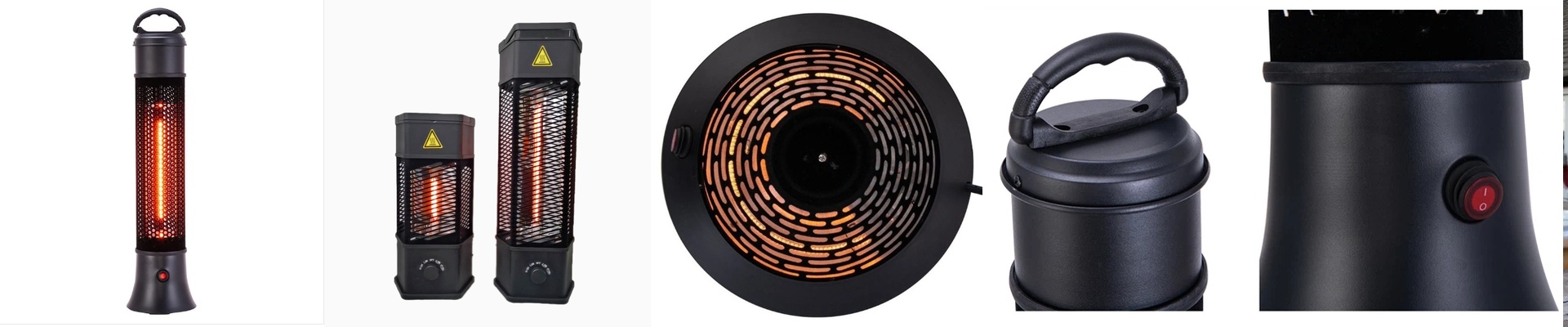
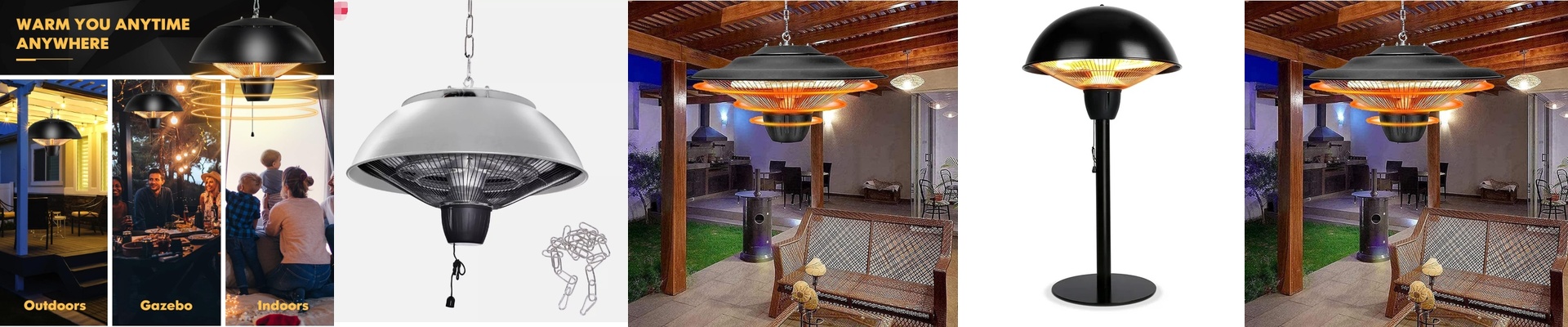
Let’s talk about winter terraces. You know the scene: a place is packed all summer, but the moment the temperature drops, those outdoor tables sit empty. It’s quiet out there. Too quiet. We built our new infrared heater to fix that. It was designed for commercial outdoor use, where a cold night can kill a whole seating area. The whole point? Give you instant, targeted heat that keeps people in their seats—without waiting for the whole world to warm up.
Power, Voltage, and Output—Kept Practical
Inside, it runs on a high-output halogen infrared tube. Most setups use 220–240V, and if you have three-phase power, you can spec it for 400V. That’s just matching what commercial kitchens and venues already have. You get serious heat density in a small footprint—often 1500W to 2500W per tube. That means you can warm defined seating zones without straining your circuits. And the tubes are intentionally short to medium—think 300mm to 600mm. That concentrates the radiant beam, so you can mount the heat right where it matters: above tables and along walkways. This isn’t about warming the air in some vague way. It’s point-of-use heat, aimed exactly where customers sit.
Materials and Design: Built to Survive the Outdoors
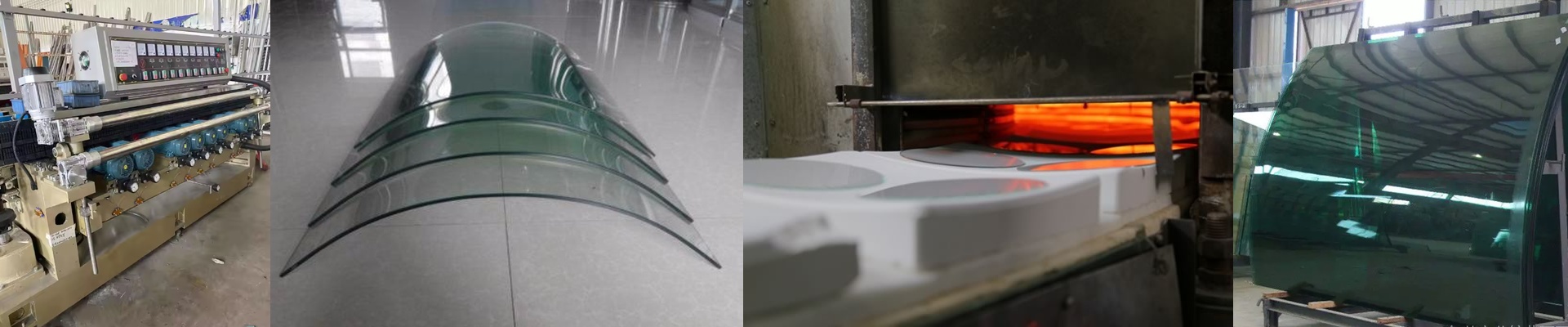
We chose a quartz tube because it handles the reality of outdoor use—rapid on/off cycling, wind, and moisture—without cracking. Inside, the halogen element holds steady over time, so you don’t get that annoying dimming you see with cheaper filaments. On the job site, the details matter. That’s why we use R7s connectors. They lock in tight, carry high current safely, and make the tube a simple drop-in replacement. No fiddling. No loose contacts that make you nervous. Now, here’s the trade-off: the tube runs hot—very hot. Keep clearances clear, and use proper mounting hardware. If you’re placing heaters near foot traffic, add a protective guard. It’s common sense, and it keeps everything safe.
What It Actually Does for an Open-Air Restaurant
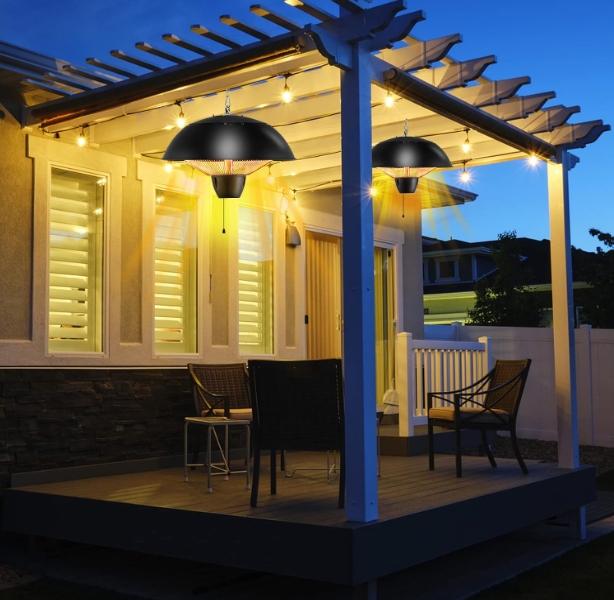
Here’s what changes on the floor. That cold, unusable outdoor space becomes seating you can actually count on. The infrared waves hit tables and people directly, so warmth arrives fast—often before the surrounding air even moves. That means more winter occupancy and quicker table turnover. Installation is straightforward: mount it, wire it through the R7s connection, and aim it where you need the heat. Because the heat pattern is focused, you’re not wasting energy warming empty space. You’re heating what you want, when you want it. And the design holds up against wind and weather. For venues that want to keep revenue coming all year, it’s a practical, engineered way to keep the terrace alive when it gets chilly.