
Keeping Your Bathroom Infrared Heaters Safe (And Dry)
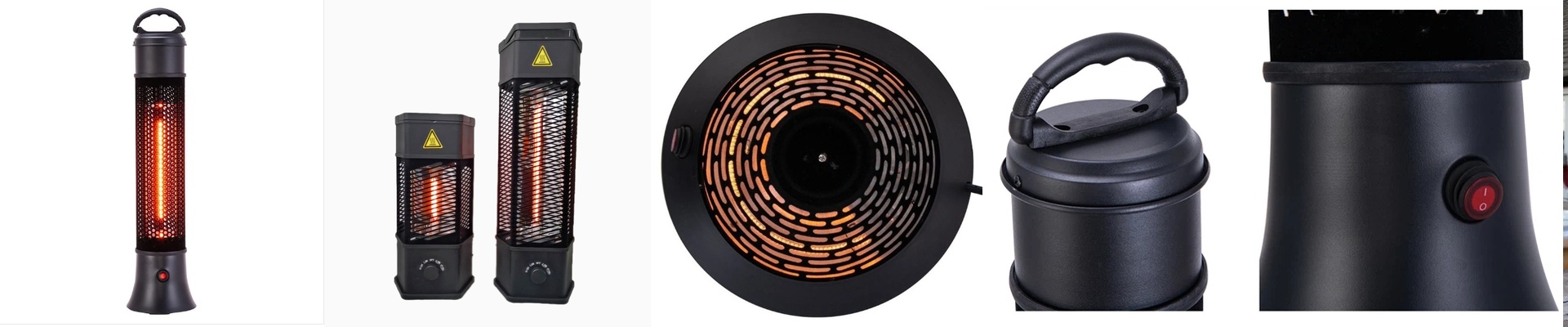
Let’s be honest: putting a heater in a bathroom is a bit like playing with fire—or in this case, electricity and steam. You’ve got high humidity and water vapor floating everywhere. If you just throw a standard lamp in there, you’re asking for a short circuit. You need a setup that’s actually built to keep the electricity and the water far apart.
Why moisture is a problem
Here is the thing about water vapor: it finds a way into everything. It sneaks into standard housings and hits the high-voltage terminals. Once that happens, the electricity finds a shortcut to the metal frame. To stop that, we use a double-layer approach. We seal the terminals with ceramic gaskets or high-temp silicone. It basically acts like a raincoat for the electrical contacts, stopping moisture from creeping in where it doesn’t belong.
Picking the right gear
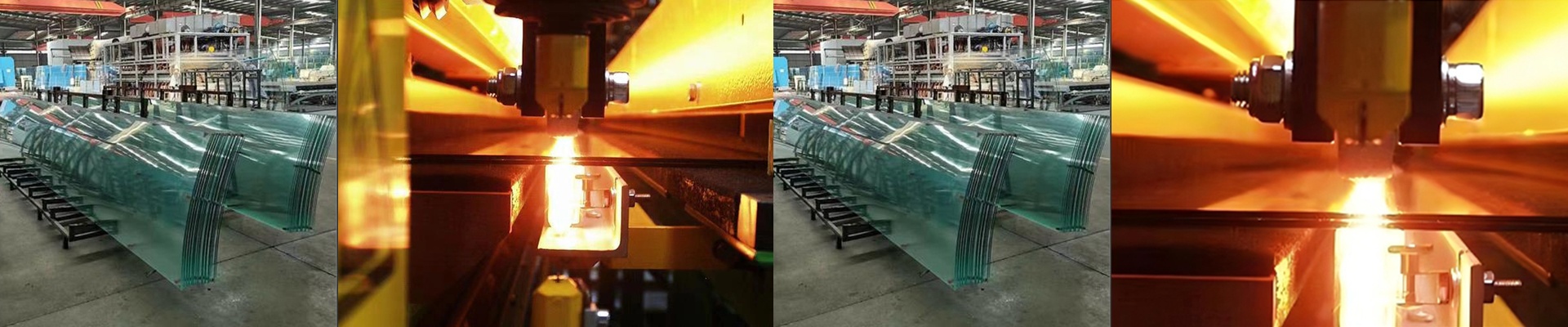
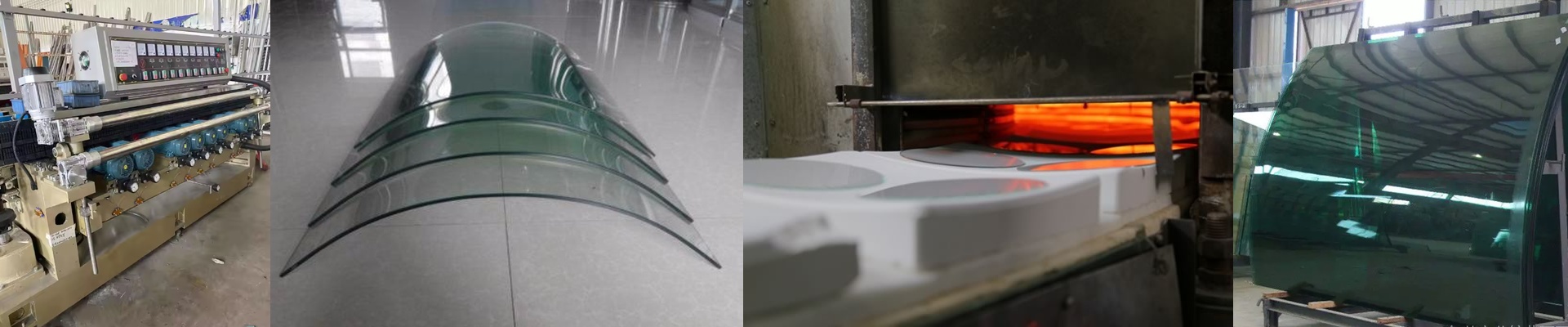
We don’t use basic materials here. We go with quartz glass and special coatings because they can handle the “thermal shock” of a steamy room without cracking. Then there’s the wiring. Standard PVC is a no-go—it’ll eventually melt or get brittle and crack. Instead, we use PTFE or silicone-jacketed cables. They’re tough, they handle the heat, and they don’t care about the damp. And we’ve ditched those open-air terminals. By using sealed connectors, the electrical arc stays exactly where it should be—inside the lamp—instead of jumping to your ceiling grid. We stick to strict IP-ratings because if a seal fails, the whole thing becomes a liability.
The trade-offs
Now, there’s a catch. All that heavy-duty insulation and those sealed boxes make the unit a bit bulkier. They also have more “thermal mass,” which is a fancy way of saying they take a few extra seconds to warm up compared to a cheap industrial heater. But honestly? That’s a price worth paying for peace of mind. One last thing: please, for the love of everything, wire these into a dedicated GFCI circuit. Even with the best insulation in the world, that circuit breaker is your safety net. If you skip the GFCI or use thin, cheap wiring, you’re risking a fried driver or something much worse.