Stopping Glass from Cracking: Why Twin Tube IR Elements Actually Work
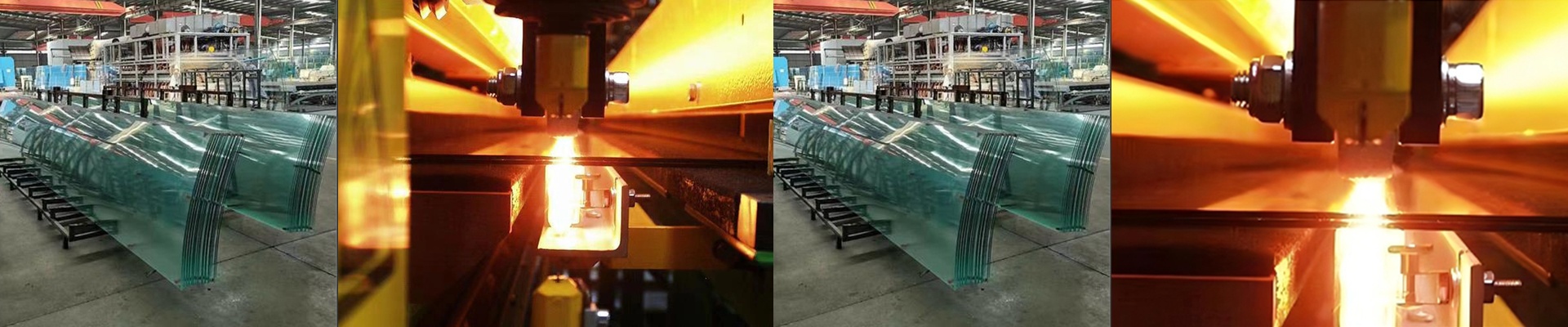
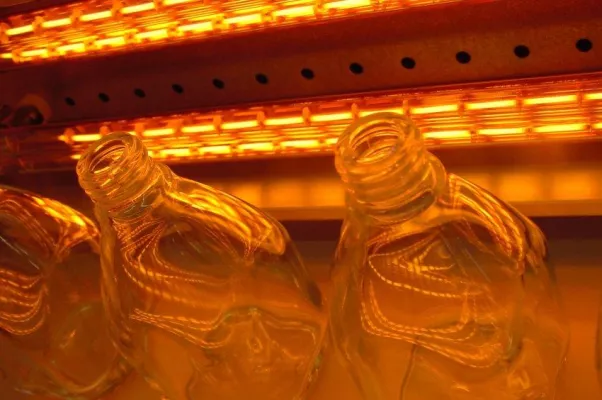
If you’ve ever worked with tempering glass, you know the nightmare of thermal shock. You hit the glass with too much heat too fast—or you don’t ramp down quickly enough—and snap. Either it shatters right there on the line, or worse, it develops these hidden stress points that cause it to fail later. It’s frustrating and expensive. We use twin tube infrared heating elements to fix this. They give you the raw heat density you need to temper instantly, but they don’t lock you into one speed. You can dial the power up and down on the fly. Speed and Power Here is the thing about twin tube designs: they have way more radiating surface area than your standard single-tube lamps. That means you can crank up the wattage without worrying about melting the quartz envelope. When you pair these with a fast-acting SCR or a high-frequency PWM controller, the response is basically instant. We’re talking about swinging your power from 100% down to 20% in a few milliseconds. That’s the secret sauce. That quick adjustment is what keeps the glass from freaking out and cracking as it moves from the heating phase to the cooling phase. The Hardware Side of Things We build these using high-purity quartz. Why? Because it creates shortwave emission. Instead of just heating up the air around the glass, the heat actually penetrates the surface. The twin-tube setup packs a lot of energy into a small space, which gives you a really tight, controlled heat profile. But there’s a catch. High wattage means a heavy electrical load. You’ve got to make sure your power supplies and cabling are beefy enough to handle the current. If they aren’t, you’ll get voltage drops, and your temperatures will start drifting. Getting it Right on the Shop Floor Setting these lamps up on your line is all about the spacing. If they’re too close, you’ll get hot spots. Too far? Your cycle times start to crawl. And please, do yourself a favor and check your reflector alignment every single week. If a reflector shifts, you’re just wasting energy and creating uneven heat, which completely kills the benefit of that fast power modulation. One last tip: use high-temp wiring. The radiant heat is intense, and you don’t want your leads burning out in the middle of a shift.