Why consistency is everything when you’re chasing batch quality
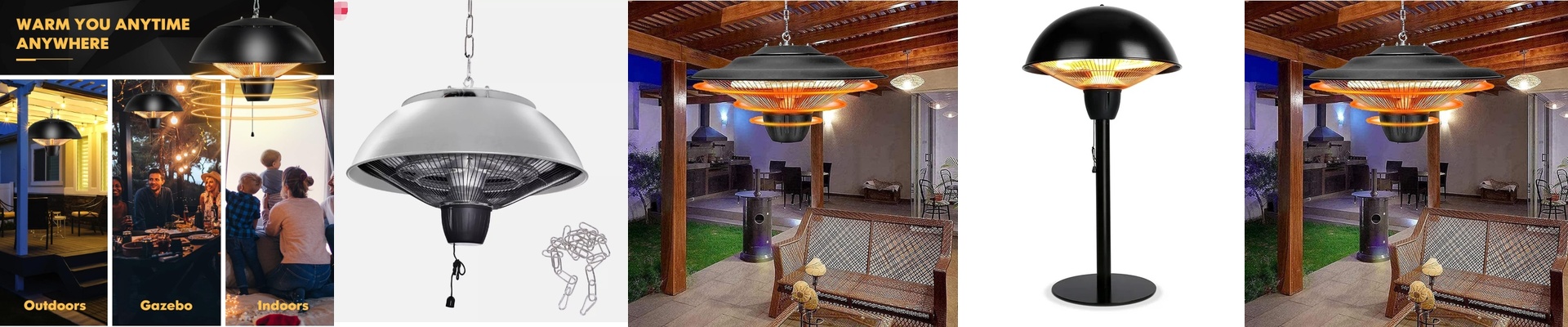
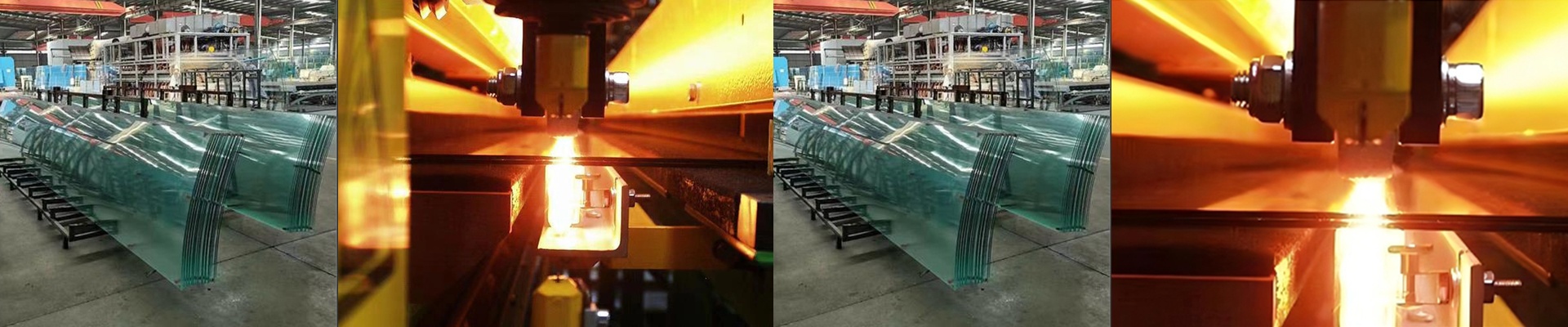
We built the glass score line heating lamp for one reason: to stop the headache of uneven annealing from one batch to the next. When you’re pushing hundreds of sheets an hour, the heating lamp can’t be a wild card. It has to be steady. Unwavering. It puts pinpoint infrared energy right on the score line, so that tiny crack made during scoring gets sealed cleanly—every single time. That’s how you avoid edge chipping and those scary, random breaks that show up later.
Power, voltage, and a footprint that actually fits
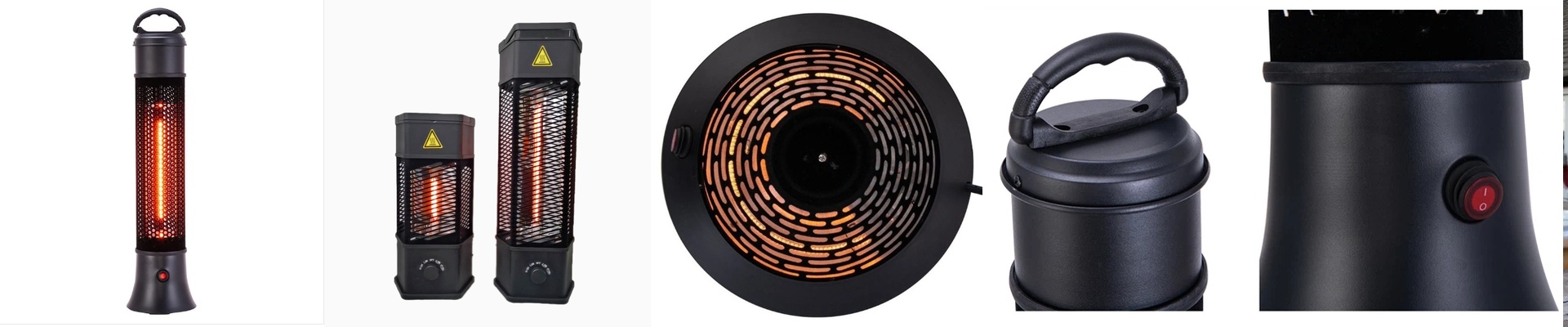
This lamp is a high-density heat tool, plain and simple. It runs on 400V and packs the punch you need into a slim 300mm tube. That small footprint means you can slip it into a tight annealing lehr without tearing the whole machine apart. The 400V 2500W setup delivers serious heat density, so yes, your cooling system needs to be up to the job. We size the power to match the glass edge—enough heat, no overkill.
The guts: halogen, quartz, and an R7s that just works
Inside, a halogen element sits in a high-purity quartz tube. Why? Because it responds fast and stays steady. The halogen cycle keeps the filament strong, so the output doesn’t fade as the lamp ages. And we use an R7s connector because it’s the practical, industrial-strength choice. It gives you a secure, two-point contact that can handle the current and won’t loosen up when the factory floor is shaking. When the lamp finally hits its end-of-life, you can swap it out quickly—no tools needed—so downtime stays short.
What it does for you: calm, repeatable annealing
Here’s the point: batch stability. In annealing, the score line has to land in the right temperature window, every time. This lamp delivers repeatable infrared energy to that exact spot, so the drift that causes uneven results just disappears. You get the same quality shift after shift, batch after batch. And it’s a drop-in replacement for standard R7s fixtures, so you can upgrade without reworking your hardware. Wire it up, set the distance, and run. Just keep one thing in mind: with that much thermal density, you’ll need proper airflow. Protect the surrounding parts, and the lamp will do its job—quietly, reliably, and without drama.