Introduction
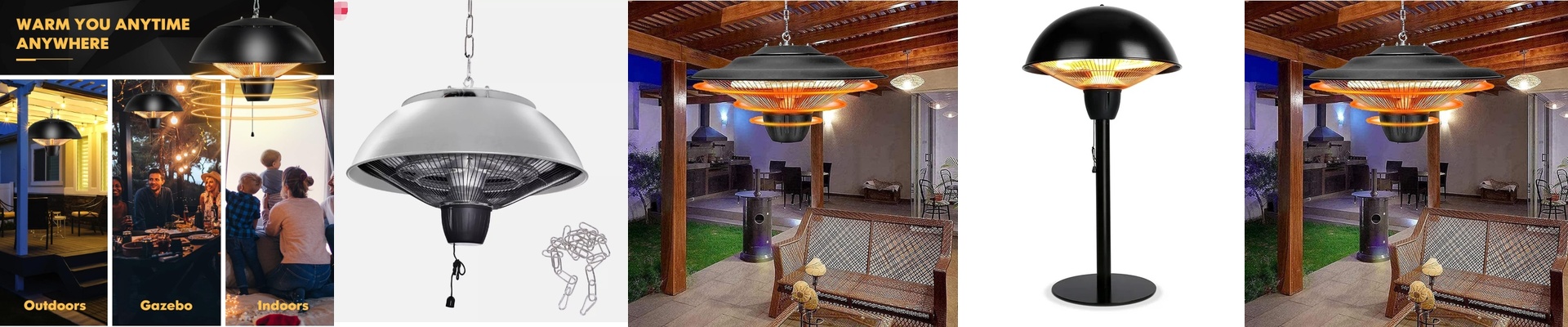
Here’s the thing: when you’re building something that has to live in a damp, steamy space, safety isn’t just a feature—it’s everything. That’s why we built this waterproof heating table around an explosion-proof quartz infrared lamp. It’s designed to take the wet without flinching, thanks to its IP44 rating that keeps water out. And that reinforced quartz envelope? It holds the filament steady, even when things heat up or cool down fast. This isn’t just a heat source. It’s a dependable backbone for both home and commercial bathing setups.
Technical Deep-Dive
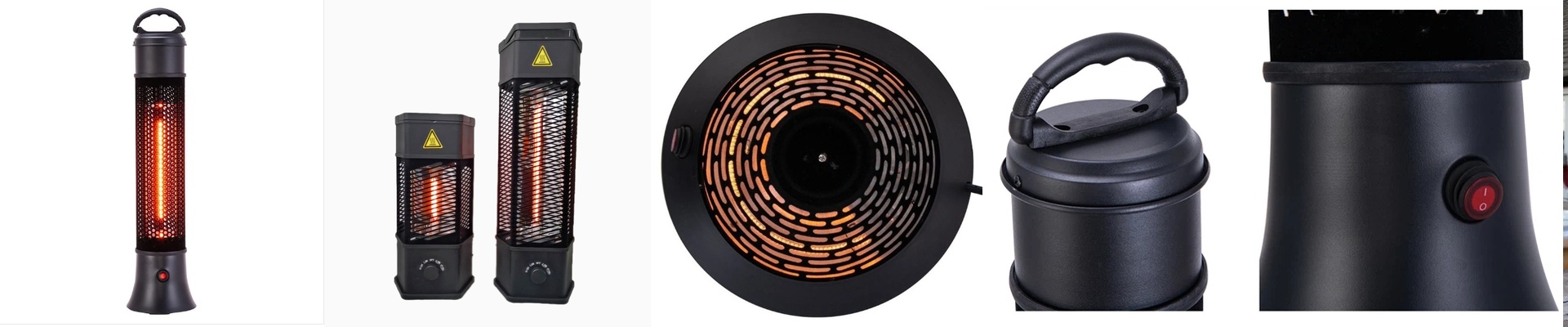
This lamp packs a lot of power into a small footprint. We’re talking 2500W, available in 230V or 400V, all wrapped into a 300mm tube. The result? Heat, fast. And it stays steady, without the ups and downs. Go with the high-voltage option, and you’ll run fewer lamps per circuit. That means simpler wiring and less strain on your electrical panel. But—and this is important—that kind of power creates heat. So you’ve got to make sure your fixture and cooling setup are up to the job. Plan for it, and you’re golden.
Material & Design
That explosion-proof build comes straight from the quartz envelope itself. It’s tough enough to handle pressure and keep the filament contained, even if something goes wrong. Inside, the halogen cycle keeps the filament stable, even at scorching temperatures. So you get consistent heat, hour after hour, for thousands of them. We also added a special coating on the quartz to cut down on UV and help it handle repeated heating and cooling. And the R7s connector? It’s just a simple, two-contact setup. Easy to install, and it lines up perfectly, even in tight spots.
Application & Benefits
Put this in a bathroom heating table, and you feel the difference right away. The infrared heat hits fast, with almost no waiting around. And thanks to the IP44 housing and sealed design, it just shrugs off steam and splashes. No shorting out. No corrosion. For engineers, this means a component that just drops in, works hard, and stays safe. The trade-off? You do need to plan for proper heat sinking and airflow. But get that right, and you’ve got a system that runs reliably, with a real safety buffer built in.