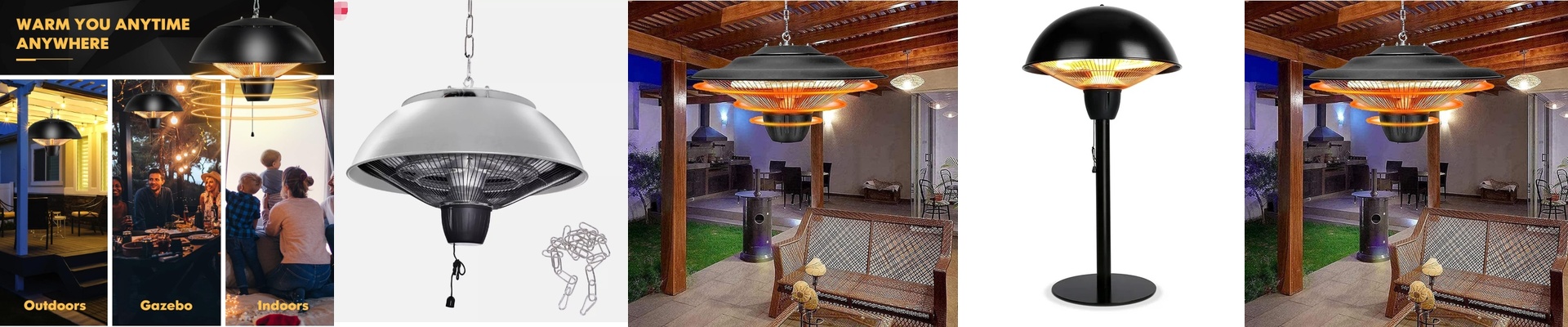
Precise Curing, Even on a Long Glass Line
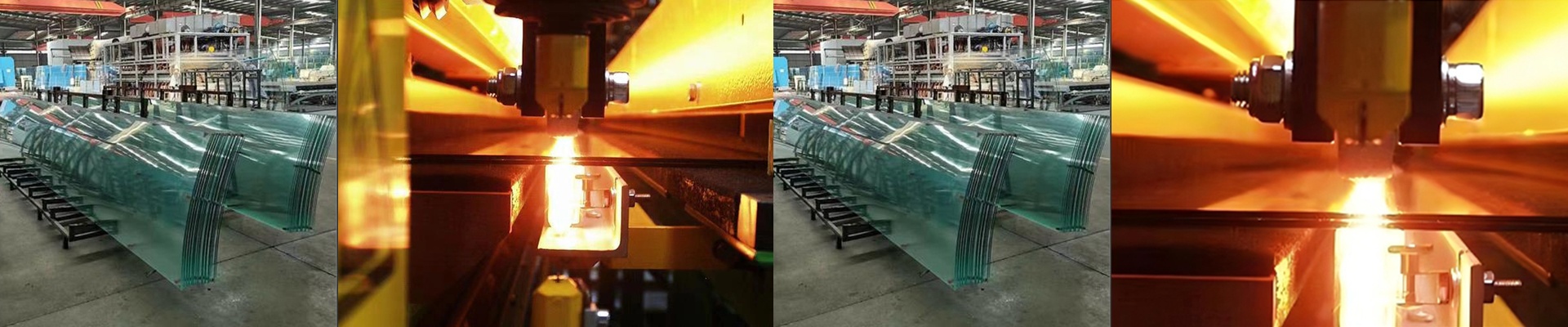
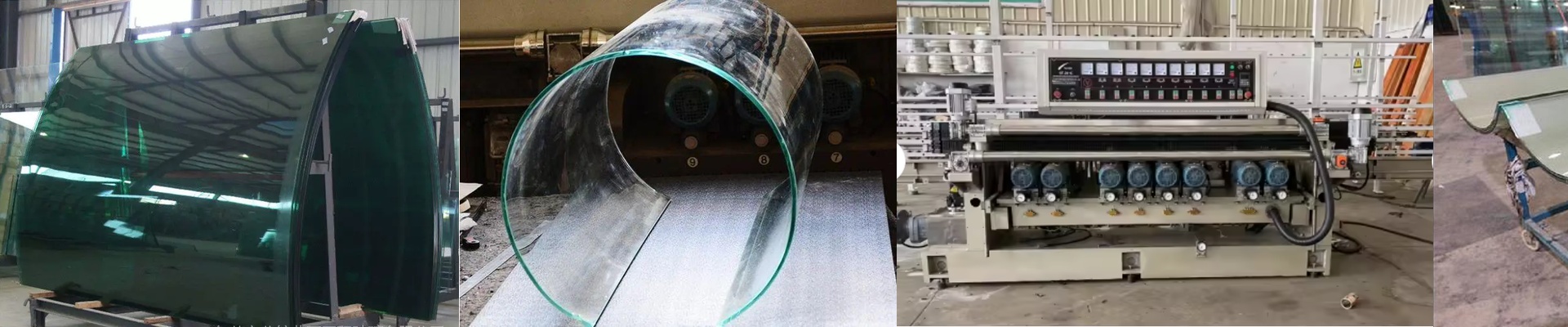
Ever tried to treat a long glass mosaic coating line like one giant oven? It just doesn’t work. The heat doesn’t move the way you need it to, and you end up chasing your tail. Here’s the thing: you’ve got to manage the temperature at every single stage. That’s exactly why we built the Glass Mosaic Drying Lamp. It hands the control back to you, using zone-controlled infrared heating to nail the exact thermal profile your coating needs.
Power, Voltage, and Size—The Real Deal
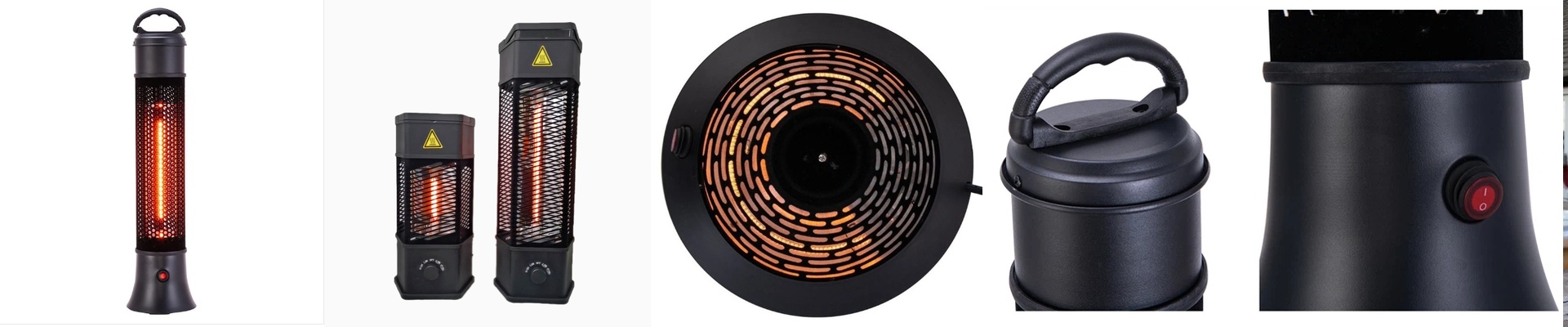
At the heart of this lamp is a high-density infrared emitter, built for the pace of an industrial line. It runs off a 400V supply and packs a punch with 2500W of output. That power is what makes the temperature shoot up fast and then hold steady right where you want it. The 300mm tube length gives you a concentrated heating footprint that lines up perfectly with standard module spacing. This isn’t some low-voltage, weak-output design. We chose 2500W at 400V because you need repeatable heat that penetrates the coating, without scorching the glass underneath. But there’s a trade-off. That higher power density means the machine’s cooling and thermal management have to be up to the task, keeping the control electronics stable and happy.
The Materials: Coated Quartz and a Smart Connector
The emitter sits inside a quartz envelope with a special coating. This coating is key—it tunes the infrared spectrum, focusing the energy where it matters most: on the coating, not just the air around it. Inside, the halogen element responds instantly. So when your line speed changes, the lamp can track the new setpoint without a hitch. And for installation, we went with the R7s connector. It’s the practical choice on the shop floor. It gives you a secure, two-point contact that can handle the constant thermal cycling and the vibration from the conveyor. You wire it once, and it stays put. No more messing with delicate terminals every time you swap a module.
Zone Control: Your Secret to a Perfect Cure
The real magic is zone control. Break your line into heating sections, and give each one its own lamp module. Now you can tune each zone independently, building the exact curing curve you need: a quick flash for the solvent, crosslinking in the middle, and a solid set at the end. This cuts down on defects from uneven heating. It also stops the line from getting bogged down by one overly cautious temperature setting. For glass mosaic production, that means consistent gloss, solid adhesion, and way fewer sheets that need rework. And the best part? The lamp is a drop-in replacement for standard infrared modules. You can upgrade your existing line without a major redesign.