

The Real Trick to Glass Tube Sealing
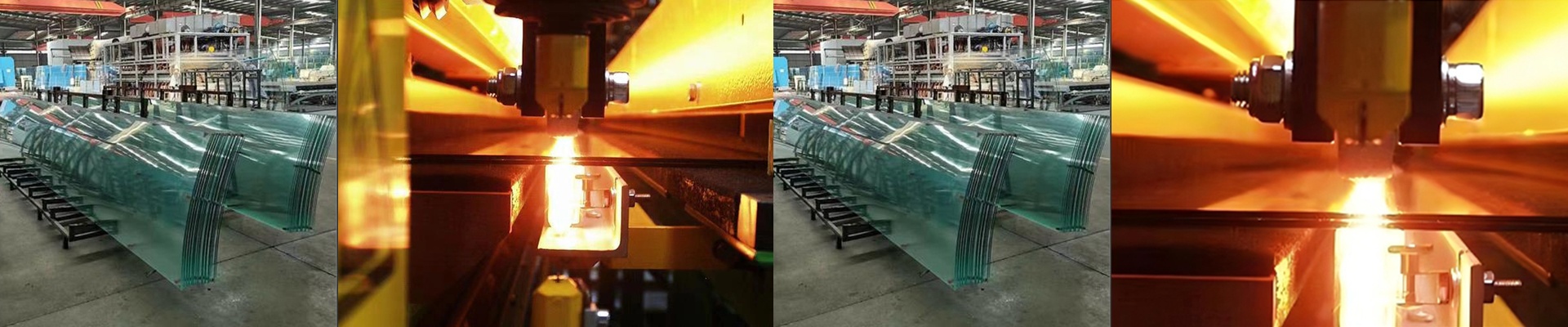
Selling you a lamp is the easy part. The real headache starts when you try to get that lamp to actually work on a production line without blowing out your filaments or cracking your glass. Sealing glass tubes is a bit of a balancing act. You need enough heat to get a perfect, airtight seal, but not so much that you shock the glass and send it shattering across the floor.
Getting the heat right
We don’t just guess at the wattage. It’s more about how the voltage and the length of the lamp play together to create the “surface load.” Think of it this way: if you cram a high-wattage lamp into a tiny footprint, you get an intense blast of heat. That’s great if you need to melt things fast, but it puts a ton of stress on the quartz envelope. Plus, if your power supply doesn’t play nice with the lamp’s impedance, your filaments are going to burn out way sooner than they should. Depending on how fast your cycle times are, you might need a quick, short-wave burst or a slower, steadier medium-wave soak. It depends on your rhythm.
The gear and the grit
Quartz is the go-to here because it can take the heat. But the coating is where things get interesting. A clear tube lets the IR radiation hit the glass head-on. A coated one? That either bounces the heat back or narrows the beam down. Then there are the connectors—usually R7s or SK15, depending on your setup. These aren’t just plugs. If the fit is loose, they become the weakest link in the chain. You’ll get electrical arcs, the terminals will overheat, and before you know it, your lamp is dead.
The trade-offs
Here’s the thing: pushing for high heat density makes your line move faster. Your throughput goes up. But there’s a catch. Your cooling fans and shielding have to be beefy enough to handle that extra heat in the air. If you try to shave two seconds off a cycle by redlining the lamp, you’re just killing its lifespan. That’s why we prefer to come on-site and actually look at the machine. A “drop-in replacement” bulb often fails if the reflector is off by just a few millimeters. We’re not just swapping a bulb; we’re making sure the heat is actually going where it’s supposed to.