Getting Your Thermal Profiles Right for Glass R&D
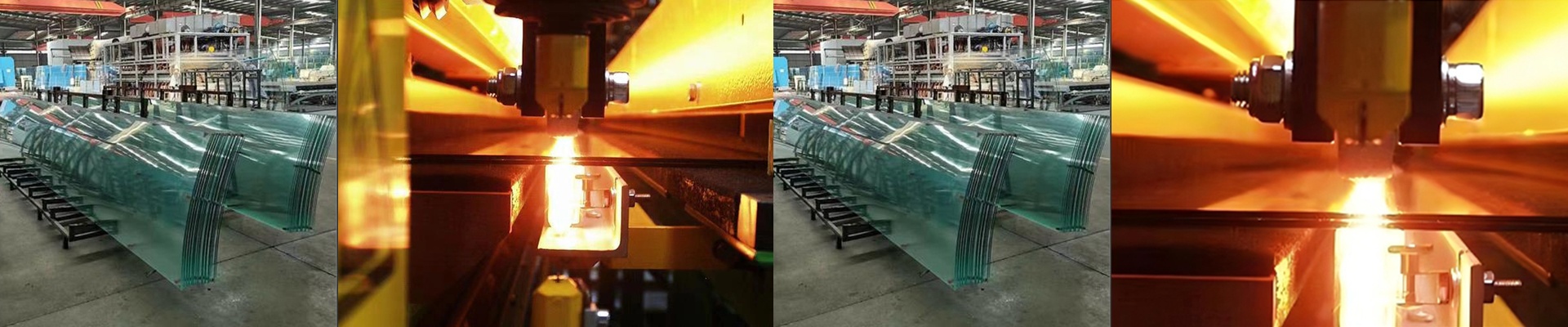
If you’ve ever tried using a standard, off-the-shelf infrared lamp for glass research, you know the frustration. They just blast heat evenly across the board. But glass doesn’t always want “even.” When we build lamps for R&D ovens, we stop worrying about basic dimensions and start looking at where the power actually hits the material.
Playing with Power Density
Most engineers make the mistake of just picking a lamp based on length and total wattage. That’s a shortcut that usually leads to dead ends in material testing. Instead, we get creative with the filament. By tweaking the winding pitch and the coil diameter, we can actually move the heat around. We can bunch the tungsten up in one spot to create a “hot zone” or stretch it out for a smooth, gradual gradient. It’s pretty handy. You can test how a new glass compound handles a sudden thermal spike or a long, slow soak—all without having to rebuild your oven.
The Reality of Quartz and Heat
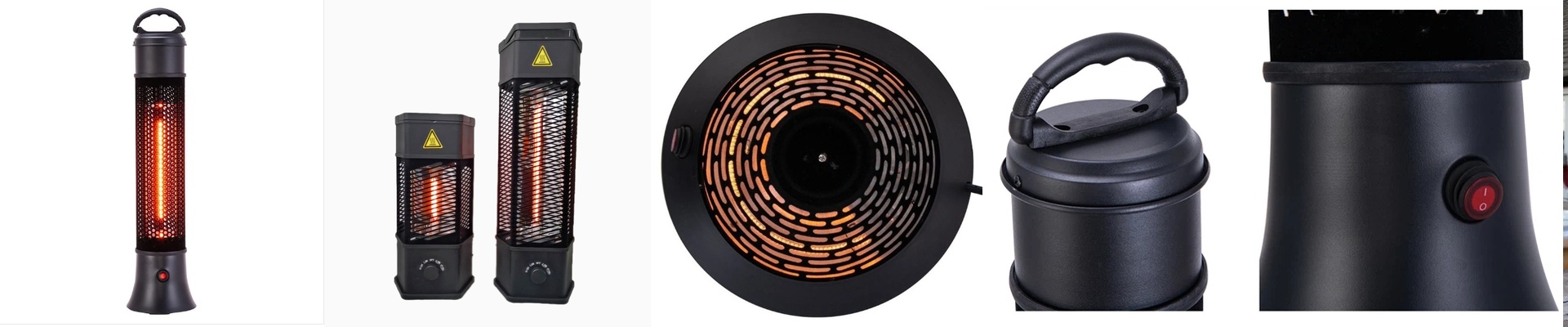
We use high-purity quartz because it lets the IR through and doesn’t freak out when it hits chemicals. But here’s the thing: when you cram a lot of power into a tiny area, the tube takes a beating. The heat flux gets intense. If your cooling fans and housing aren’t up to the task, you’re risking a soft tube or burnt-out electrodes. It’s all about balancing that intensity with a cooling system that can actually keep up.
Keeping Your Lab Flexible
We believe your lab setup should be easy to change. Need a specific wavelength shift? A weird voltage to match an old power supply? We can do that. The goal is to let you swap lamps to change your thermal profile without spending your weekend rewiring the entire control cabinet. It turns your oven into a flexible tool instead of a machine that only does one thing. Just keep in mind that if you crank up the wattage for faster ramp-up times, your lamps will wear out a bit quicker. That’s just the trade-off with filament evaporation.