

Why Your Outdoor Heater Needs to Actually Handle the Rain
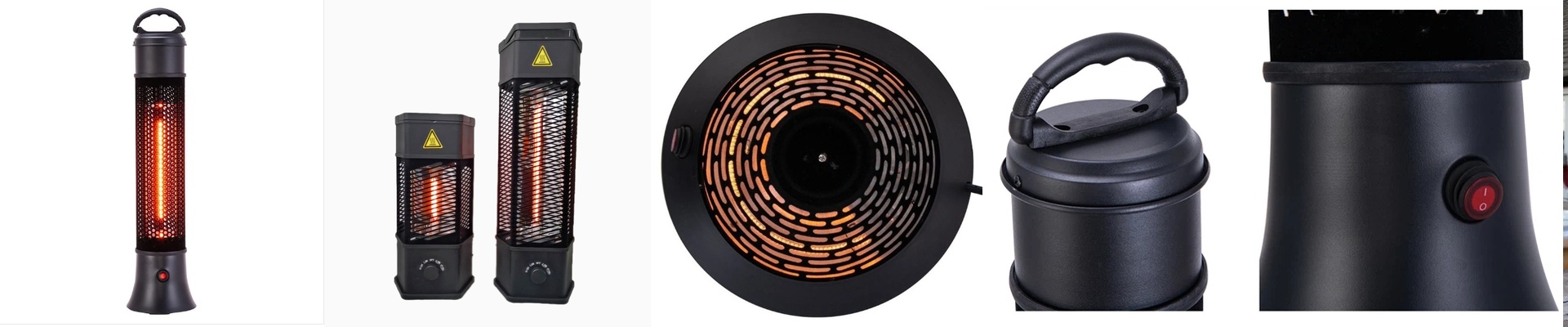
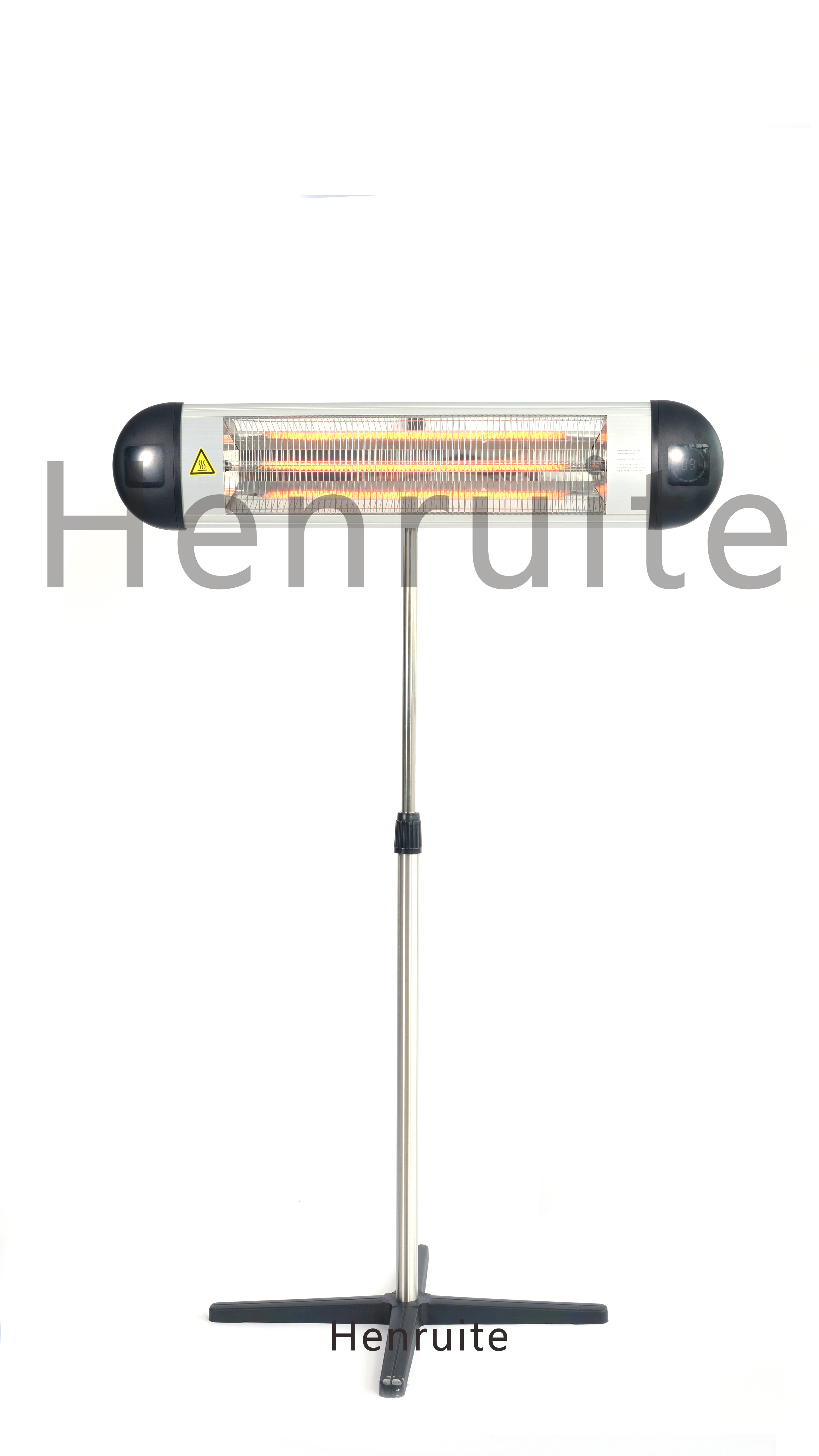
If you’ve ever put a heater outside, you know the struggle. Humidity, unexpected rain, and that annoying condensation that just won’t go away. It’s a constant fight. We build our units with an IP65 rating because, frankly, the last thing you want is water messing with your electronics.
What “IP65” Actually Means for You
In plain English? It means the chassis is tight enough to keep dust out and can take a direct hit from water jets without breaking a sweat. We use precision gaskets and sealed cable entries to make this happen. Without them, moisture just sneaks in. And once water hits those live electrical parts? That’s when you get short circuits or terminals that rust away faster than you can replace them. Then there’s the fogging issue. Think about a cold, damp night. The heater kicks on, then off. Condensation builds up on the quartz tube. If that water just sits there, the heat can actually crack the element—what we call thermal shock. To stop that, we angled the drainage paths. The water just slides right off. Simple, but it works.
Choosing Materials That Don’t Quit
We’ve seen too many heaters made with cheap plastics that warp the second things get hot. That’s a huge problem because once the plastic bends, the seals leak. Instead, we use corrosion-resistant alloys and coatings that can handle the heat. These materials hold their shape through years of expanding and contracting. They stay tight. One quick heads-up: IP65 is great for rain and splashes, but it’snota submarine. You can’t dunk it in a pool. Also, if you’re installing these in a spot where you use a high-pressure hose to clean the floors, just double-check your mounting angles. You don’t want water pooling in the junction boxes.
The Real-World Result
When you get this right, you stop seeing those random “burn outs” that kill non-rated heaters. Because the internals stay bone-dry, the electricity flows exactly how it should. You get steady, reliable heat. More importantly, you aren’t spending your weekends replacing blown fuses or scrubbing corroded wires. It just works, regardless of what the weather is doing outside.