Keeping Your Infrared Heaters Safe in Wet Zones
Putting infrared lamps in a bathroom or a damp patio is a bit of a gamble. Water vapor loves to conduct electricity, and if moisture sneaks into your housing, you’re looking at a short circuit or a nasty ground fault. To keep things safe, we stick to three main lines of defense: the seal, the barrier, and the grounding.
Getting the Seal Right
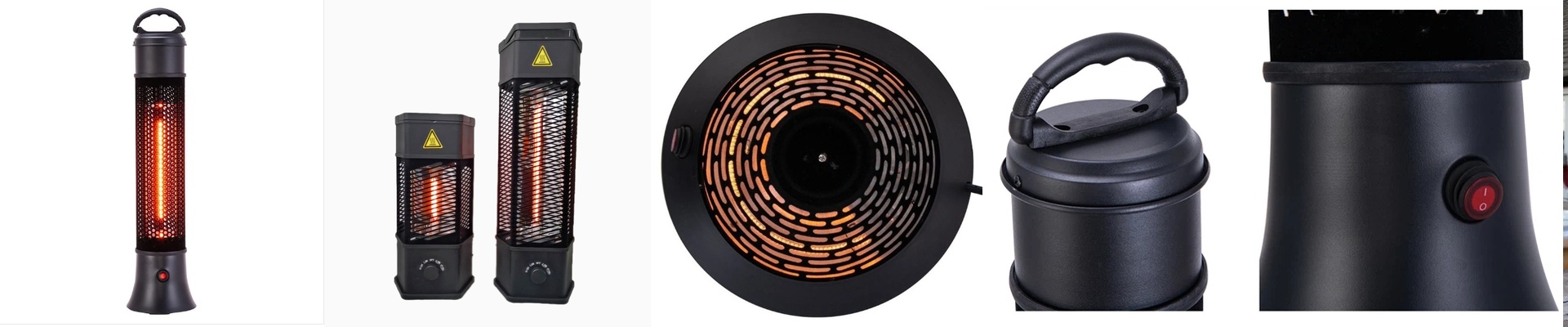
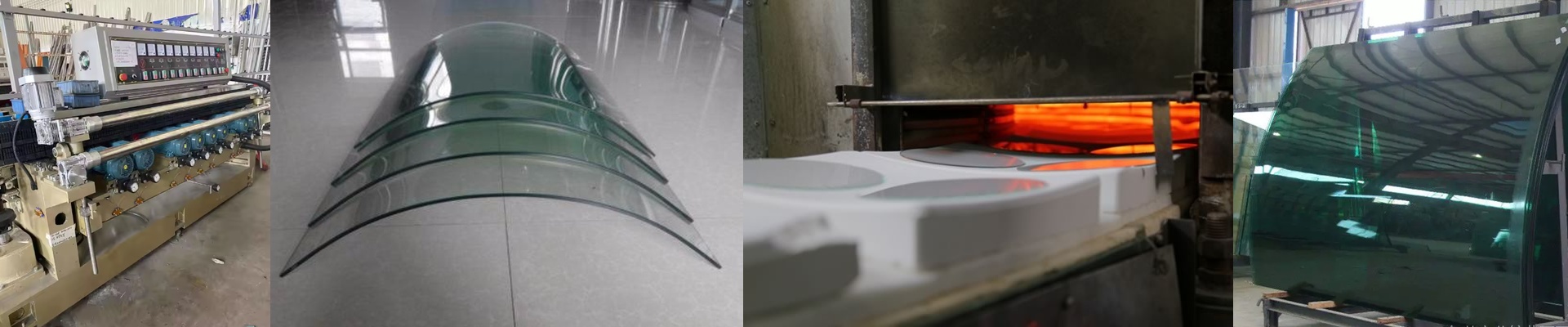
One gasket isn’t going to cut it. If you want total insulation, the whole assembly needs a proper IP rating to keep water out. We use high-temp silicone seals wherever the wiring hits the chassis. The housing itself matters too. Stick with corrosion-resistant aluminum or stainless steel. If the casing starts pitting, it creates a tiny path for leakage current to travel. Not something you want. Then there’s the lamp. Standard quartz tubes can actually crack when they hit humid air and heat up fast. We use specialized coatings to stabilize the glass. This stops “surface tracking”—that creepy thing where electricity basically crawls across the insulator because of the moisture.
Wiring and the “Small Stuff”
Most failures happen because of a loose connection. Simple. To fix that, we use heat-shrink tubing with adhesive liners to wrap the solder joints. It basically shrinks-wraps the connection and locks out the humidity. Just make sure your wiring is rated for both the heat of the lamp and the dampness of the room. Before you flip the switch, grab a megohmmeter and check the insulation resistance. You’re looking for at least 2MΩ at 500V DC. If it’s lower than that? You’ve got a leak.
The Big Trade-off
Here’s the catch: if you waterproof something too well, the air can’t move. These tubes get incredibly hot. If you seal the unit tight without a plan, you’ll get “heat soak,” and your electronics will bake. It’s a balancing act. You need an IP rating that keeps the water out, but you still need a heat sink or a vented chassis to let the heat escape. If you over-seal it and ignore the thermal path, you’ll probably burn through your wiring in a few weeks.