How to Stop Glass Edges from Chipping (The IR Secret)
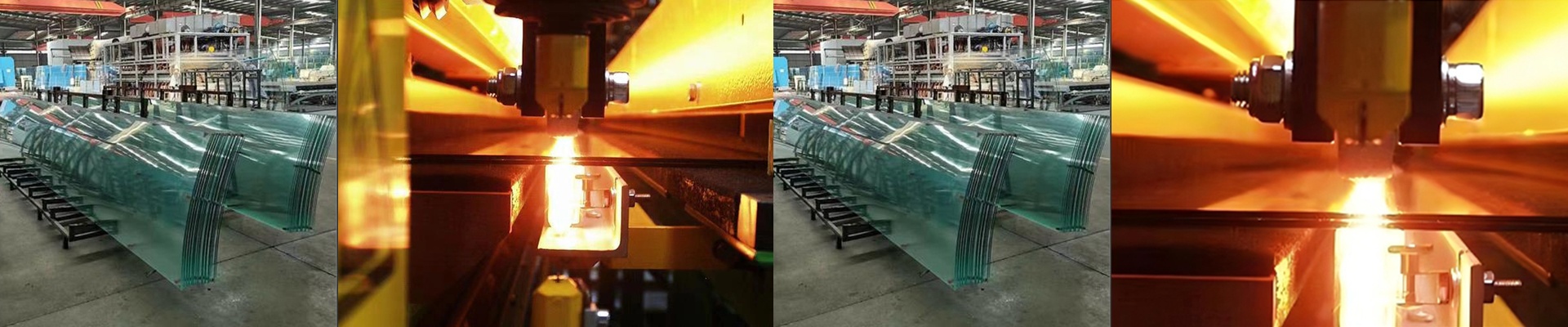
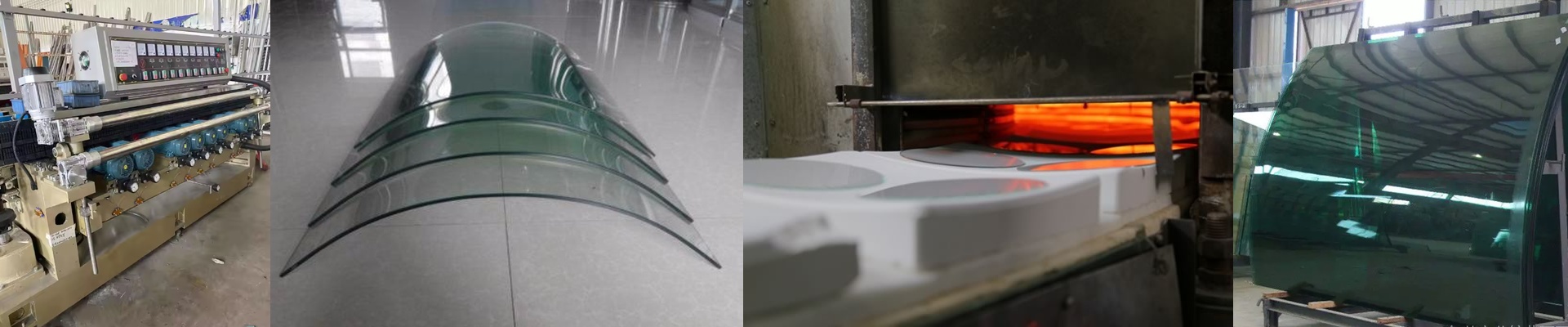
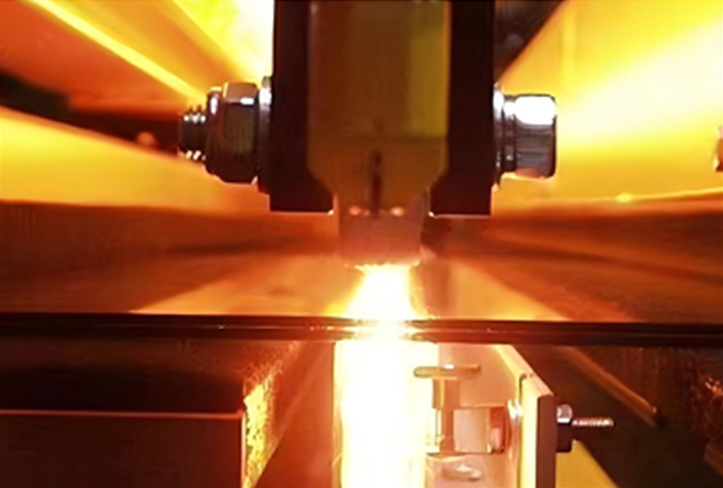
Cutting glass is basically just a fancy way of controlling how something breaks. But here’s the problem: when you score glass at room temperature, it’s stubborn. Internal stresses push the crack in directions you don’t want, and suddenly you’ve got chips or shatters along the edge. It’s frustrating, and it wastes a lot of material. That’s why we use infrared (IR) preheating. We get the glass warmed up before the cutting head even gets close. Why the heat matters Think of IR lamps as a way to “relax” the glass. These lamps shoot energy straight into the molecular structure, which takes away that brittle, fragile feeling. It makes the glass a bit more forgiving. So, when the diamond wheel hits the surface, the crack follows a straight line. You get a clean, crisp break. Without that heat, the mechanical shock of the cut can cause the edge to just blow out. Nobody wants to see their scrap pile grow because of a few jagged edges. IR vs. Hot Air You might wonder why we don’t just use hot air. Simple: hot air is slow. It spends too much time heating up the room instead of the glass. Short-wave IR lamps are different. They hit the target instantly. They pack a lot of heat into a small space, so we can mount them right in front of the cutting bridge. The glass is exactly where it needs to be, temperature-wise, the second it hits the blade. The tricky part: Balance Now, you can’t just crank the power to the max and hope for the best. If you blast the center of the sheet while the edges stay cold, you’re asking for trouble. That temperature gap creates new stresses, and the glass might just crack on its own. It’s a balancing act. You have to match your lamp power to your conveyor speed. If you speed up the line, you’ve got to bump up the wattage or add a few more rows of lamps. Keep the heat even, and the glass stays happy.