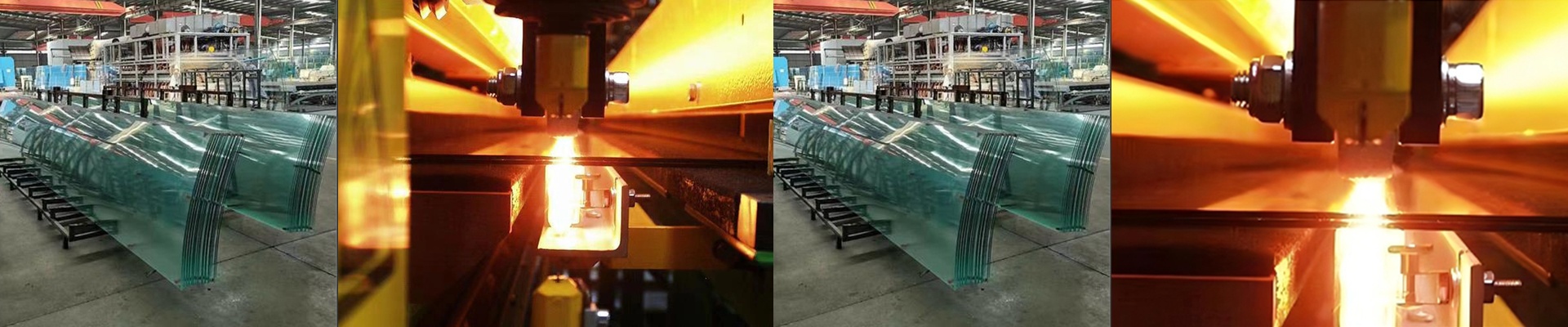
Getting Your Voltage Right for Glass Cutting
If you’ve ever worked with thermal stress cutting, you know it’s all about that perfect temperature gap across the glass. You need a very specific amount of heat to get that clean, satisfying snap. If your infrared (IR) lamp isn’t hitting its rated wattage, you’re just guessing. And that’s where the voltage headache starts.
Why Voltage Actually Matters
Here is the thing: our IR lamps are picky about their electrical load. Imagine you take a lamp built for 230V and plug it into a 110V circuit. You aren’t just losing a little bit of heat—you’re losing about 75% of your power. The glass never gets hot enough to snap, and you end up with a pile of wasted material. On the flip side, if you push too much voltage through a lamp? You’ll pop the filament almost instantly.Pop. Gone. To stop that from happening, we offer custom windings for 110V, 480V, and 575V. You’ll see those higher voltages a lot in big industrial plants. They use them to keep the current draw low, which means they can use thinner wires over long distances without the power dropping off by the time it reaches the machine.
Dealing with Different Grids
The world doesn’t use the same plugs. If you buy a machine spec’d for North America (110V/480V) and ship it to Europe or Asia, it’s not going to just “work.” You’d need a massive power overhaul. We handle this by building the lamps to match whatever grid you’re plugged into. It’s much cleaner. Plus, you don’t have to deal with those clunky external transformers that take up way too much room inside your machine chassis.
The Trade-offs
Higher voltage has its perks. It lets you pack more tubes into a single bank without tripping your breakers every five minutes. But it’s not all sunshine. High-voltage systems are a bit more temperamental. If your insulation gets old or a connector gets loose, you risk an arc-over. It’s a mess you don’t want. Just make sure your wiring and sockets are actually rated for the voltage you’ve picked. A good rule of thumb?**Check your terminal blocks for heat discoloration every 500 hours.**It takes two seconds, and it keeps your line from crashing.