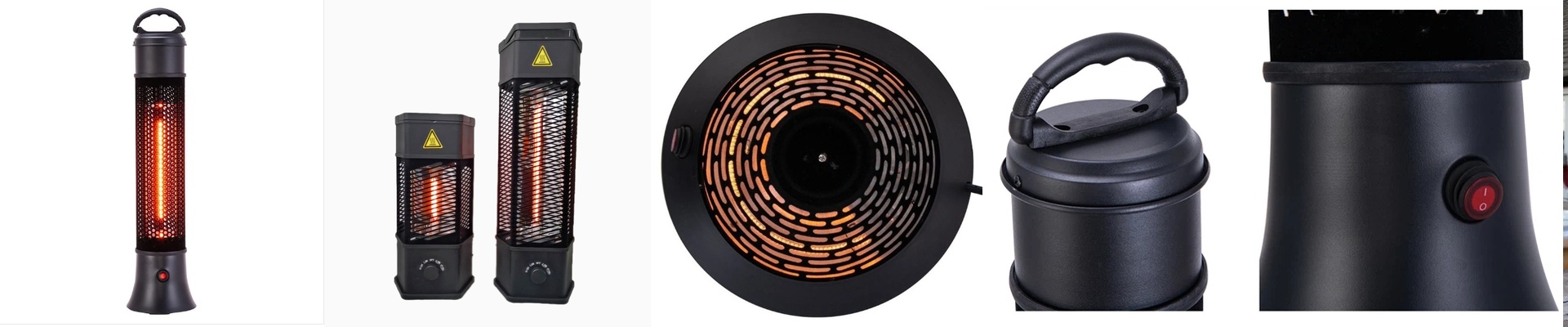
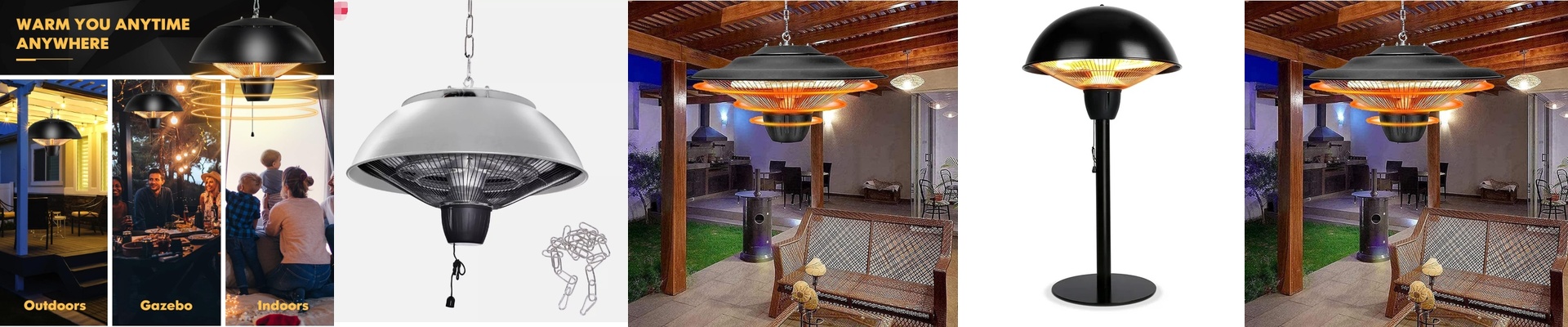
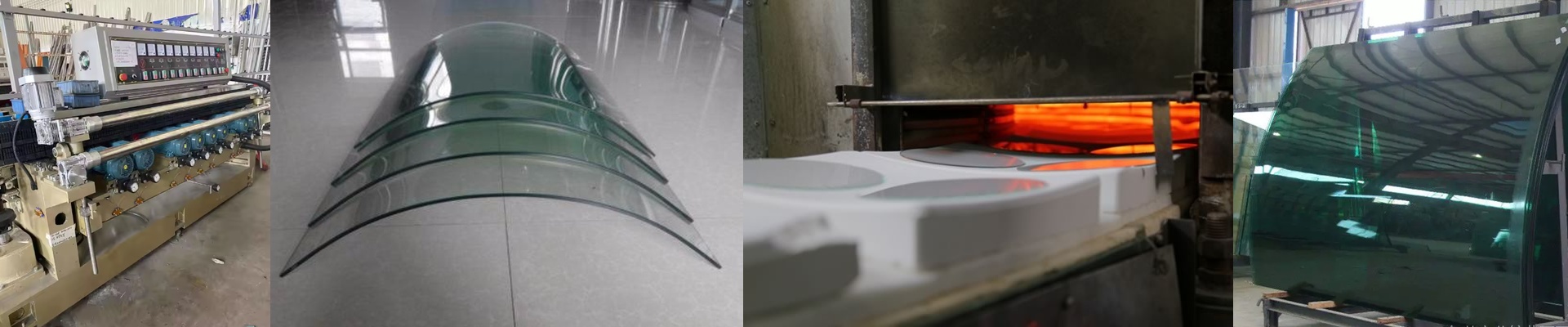
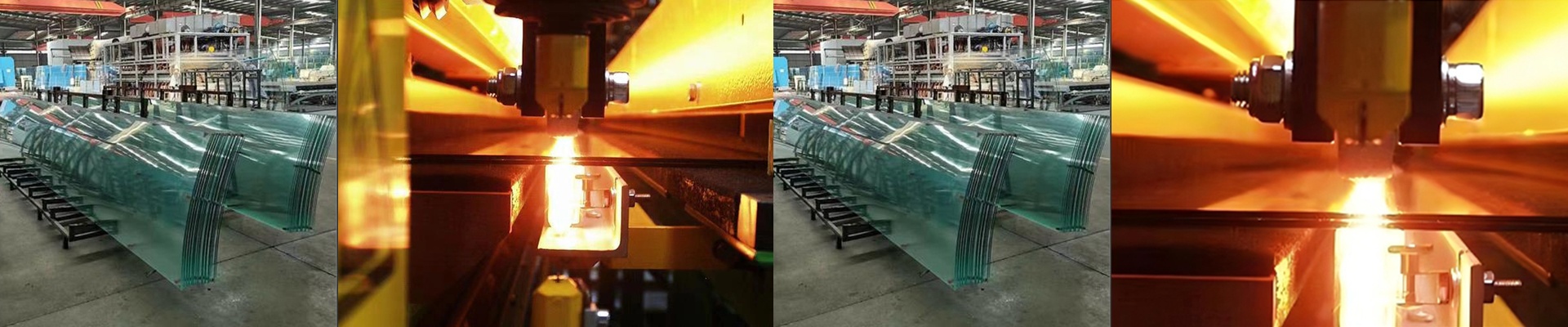
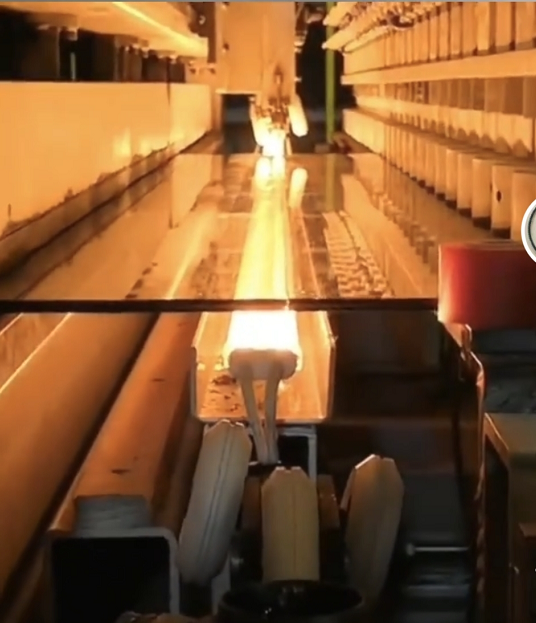
When you’re trying to squeeze a preheat system into a mobile glass repair bracket, you’re basically fighting for every single millimeter. It’s a tight fit. You can’t just throw in a bulky heating array and hope for the best, especially when you’re dealing with strict voltage limits. Our fix? We use miniaturized short-wave infrared (SWIR) elements. They do the heavy lifting without taking up all the room. Getting the heat right The goal is to get that glass up to temperature fast, but you don’t want to lug around a massive power supply. We use high watt-density quartz lamps to solve this. By packing the heat into a shorter tube, we get the thermal punch needed for nip roller preheating. One tip: make sure your lamp voltage matches your mobile power source. If you don’t, you’ll end up needing heavy transformers, and that completely kills the “mobile” part of your mobile rig. The nitty-gritty on materials We stick with halogen-filled quartz tubes. Why? Because quartz lets those short-wave rays pass right through without soaking up the heat, sending it straight to the glass surface. Shop environments are messy. To keep the lamps from burning out because of reflections or grime, we usually add a specialized coating. It protects the filament and tweaks the emission spectrum just enough to keep things running smooth. Making it work in the real world For the wiring, we use compact connectors like R7s or Sk15. They keep the assembly slim and, more importantly, they’re easy to swap out. When a lamp eventually dies—and they will—you can just pop a new one in and get back to work. But here’s the catch. These high-density IR lamps gethot. Like, really hot. While the glass heats up quickly, your bracket housing is going to take a beating from all that radiant heat. You can’t ignore this. You need solid heat shielding or some active cooling, otherwise, your control board is going to fry. If you cram too much wattage into a tiny box without any venting, you’re just cutting your lamp’s life short.