The Struggle of Squeezing High Heat into Tiny Spaces
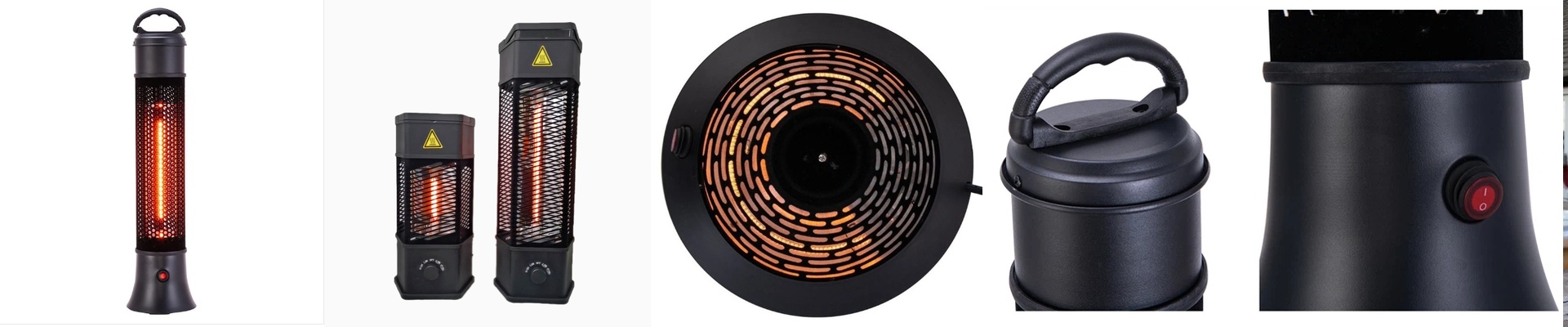
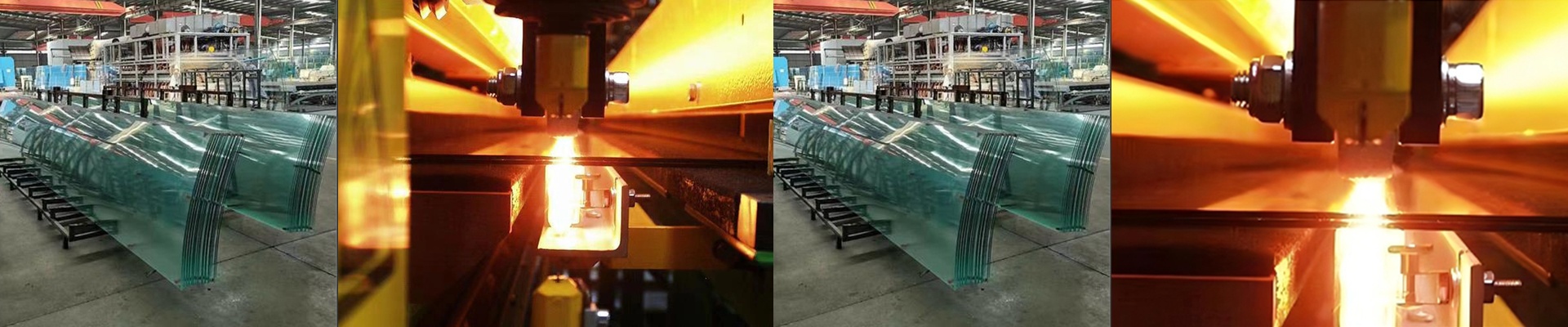
When you’re trying to jam a high-performance heating element into a mobile glass repair bracket, you’re basically fighting for every single millimeter. It’s a tight squeeze. You’ve got limited voltage and almost no room to move, but you still need enough raw heat to cure resins or soften coatings without wasting half the day waiting for it to warm up. Getting the heat right without the bulk To get that kind of punch in a tiny setup, we lean on short-wave infrared (SWIR). Think of it this way: while regular heaters take their time, SWIR cuts right through the surface. We spec these lamps to pack a ton of wattage into every centimeter. It means we can keep the lamp short—really short—without losing the actual heating power. You end up with a compact tool that hits your target temp in seconds. It’s fast. Really fast. Dealing with the heat (and the hardware) We use quartz glass tubes because they can handle the brutal internal heat. But here’s the catch: when you pack that much power into a small tube, the heat doesn’t just go into the glass you’re fixing. It radiates everywhere. If your bracket is made of aluminum or plastic, you’ve got a problem. Without a thermal break or a decent heat shield, your frame is going to warp. And nobody wants a bent bracket. Then there’s the wiring. To keep things slim, we stick with low-profile connectors. Just a heads-up on the power side: because the element is so dense, the current draw is concentrated. Make sure your power supply can handle that initial spike when it ramps up, or you’re looking at a fried circuit. The trade-off Going small isn’t perfect. The biggest headache? Hot spots. Because the lamp is so tiny, the heat isn’t always spread evenly across a larger piece of glass. You can’t just set it and forget it like you would with a massive industrial oven. You’ll probably need a sliding mechanism or some kind of timed oscillation to move the heat around. It’s a bit of a compromise. You get the mobility and the small footprint, but you have to put in a little more work to get that perfect, even finish.