Getting Short Wave IR Right for Mobile Glass Repair
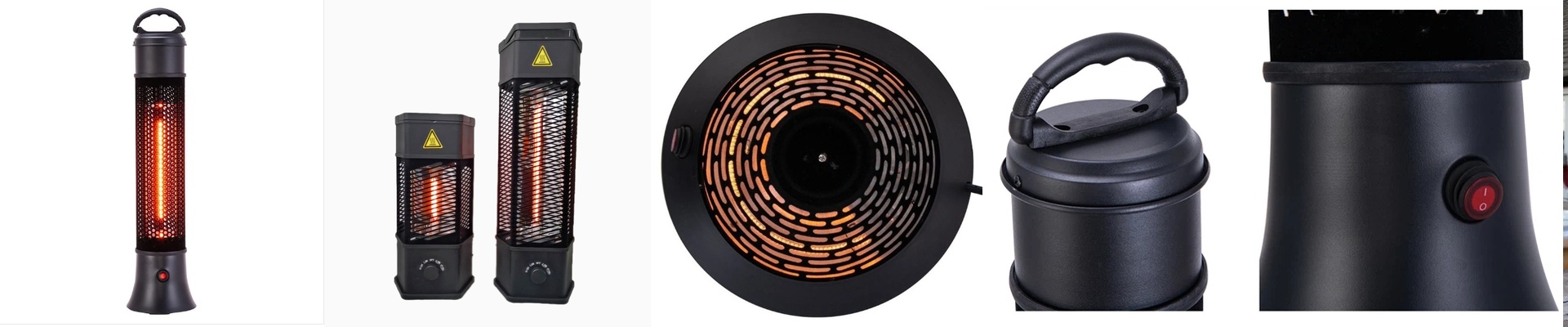
When you’re building a mobile glass repair rig, you’re basically fighting a war for space. You need heat—serious heat—but you’re working with a tiny footprint and limited power. You can’t just slap a giant heater into a portable bracket and hope for the best. That’s where short wave infrared (SWIR) tubes come in. They give you that punchy heat density without eating up half your chassis. The Power Struggle Here’s the thing about mobile setups: power is usually tight. To get the thermal kick you need for curing resin or bonding glass in such a small area, we play around with the filament lengths in the tubes. By tweaking the tungsten coil density, we can hit the right wattage even when the voltage isn’t cooperating. But there’s a catch. When you cram high wattage into a tiny tube, you get an intense focal point of heat. If you don’t pick bracket materials that can actually handle that, your housing is going to warp. Fast. Shrinking the Gear Space is the enemy here. To keep things lean, we use compact quartz envelopes and connectors that don’t get in the way. The beauty of short wave radiation is that you don’t have to jam the lamp right against the glass to get results. The energy just cuts right through the surface. One pro tip: use high-temp wiring and make sure your mounts are rock solid. If that tube rattles around while you’re driving to a job, the quartz will crack. And that’s a headache you don’t need. The Real-World Stuff Once you actually wire this into a portable unit, you have to deal with “thermal soak.” Since the tube is packed into a tight spot, the air inside the bracket gets hot—really hot. If you don’t have a plan for airflow or some decent heat shielding, you’re going to fry your control electronics. Venting isn’t just a “nice to have” here. It’s the only way to make sure your tube doesn’t burn out prematurely.