
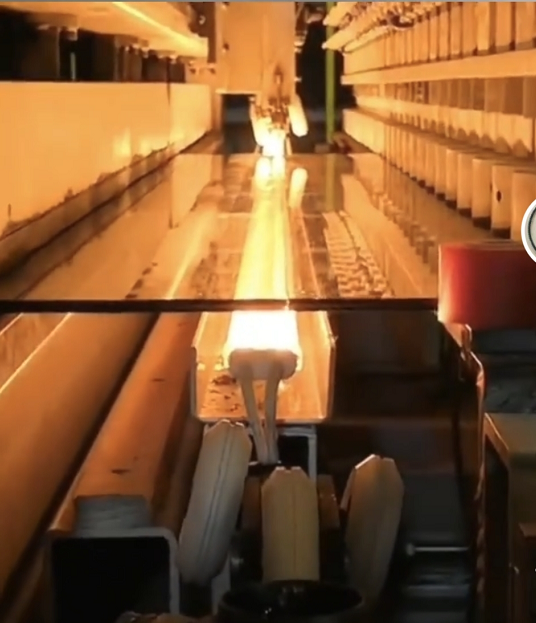
How to Stop Your Glassware from Cracking During Tempering
Getting the temperature ramps right in glassware production is a total balancing act. If you go too slow, you’re just burning daylight and wasting cycle time. But if you crank the heat too fast? Everything cracks. It’s a nightmare. That’s why we lean on shortwave IR lamps for that “instant tempering” phase. They give us the control we actually need.
The Trick to Beating Thermal Shock
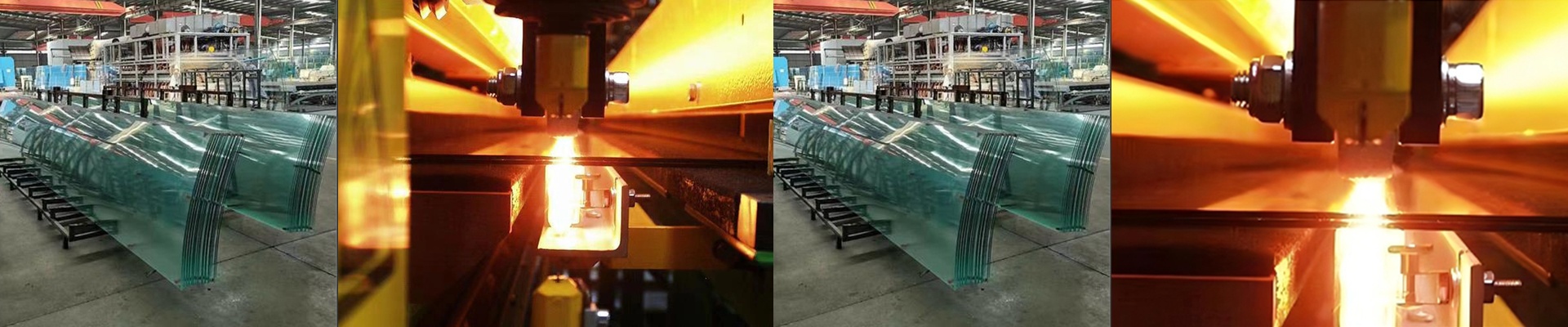
The real enemy here is thermal shock. To stop it, you need a heat source that can pivot on a dime—something that can go from 100% power down to 20% in a fraction of a second. Shortwave IR lamps are pretty much the only tool for the job. Because they use a tungsten filament in a vacuum or halogen gas, they don’t hold onto residual heat like those clunky resistive elements do. The second you cut the power, the heat stops. Period. We usually wire these into an SCR or a fast-switching thyristor. This lets us tweak the power curve as we go. If a sensor picks up a temperature spike that looks like it might shatter the glass, the system just drops the wattage instantly. It’s a lifesaver.
Dealing with the Heat
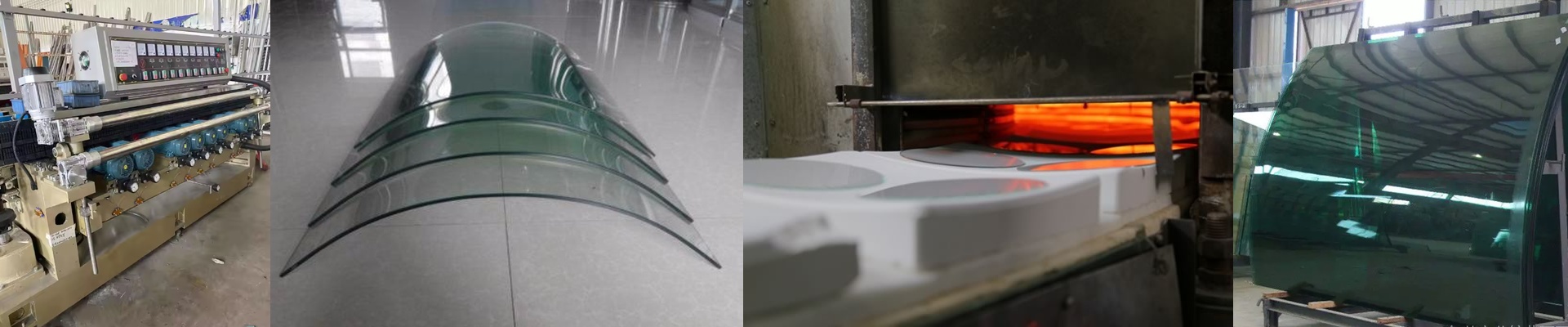
To get the kind of heat density you need for industrial work, we use lamps with high wattage-to-length ratios. The catch? These things runhot. You’ll notice a lot of heat soaking into the housing. If your cooling fans aren’t up to the task, you’re going to fry your sockets and wiring. Don’t skimp on the fans. We also use quartz envelopes. This makes sure the radiation actually penetrates the glass instead of just heating up the air around it. It helps the core of the glass keep up with the surface, which keeps things stable.
Getting it Right on the Floor
Once you actually get these lamps onto the line, alignment is where most people mess up. If a lamp is even slightly skewed, you get hot spots. That leads to uneven stress and, eventually, shattered parts all over the floor. Use rigid brackets and double-check your focal point. If the lamp is too close, you’ll melt the surface. Too far, and you lose that “instant” punch that makes shortwave radiation so useful. Just find that sweet spot and lock it down.