Keeping Your Bathroom Warm Without the Danger
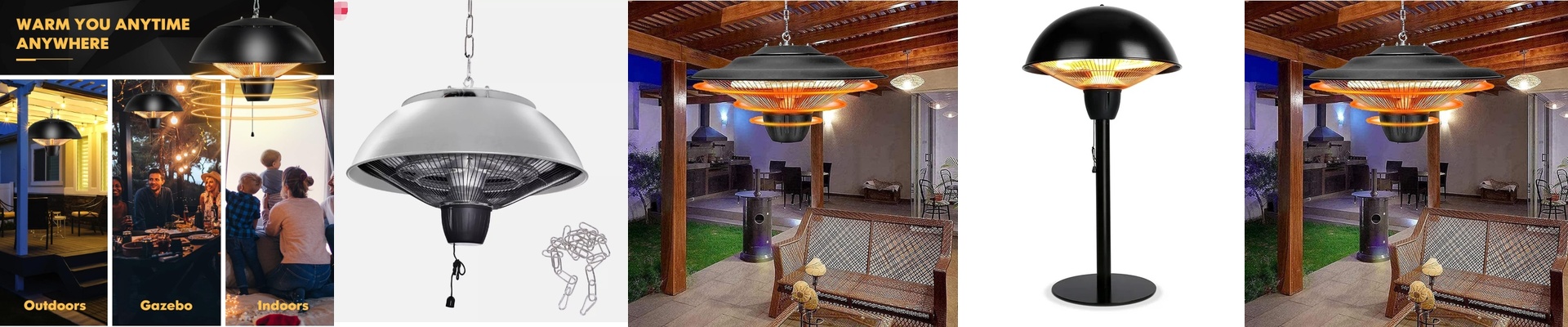
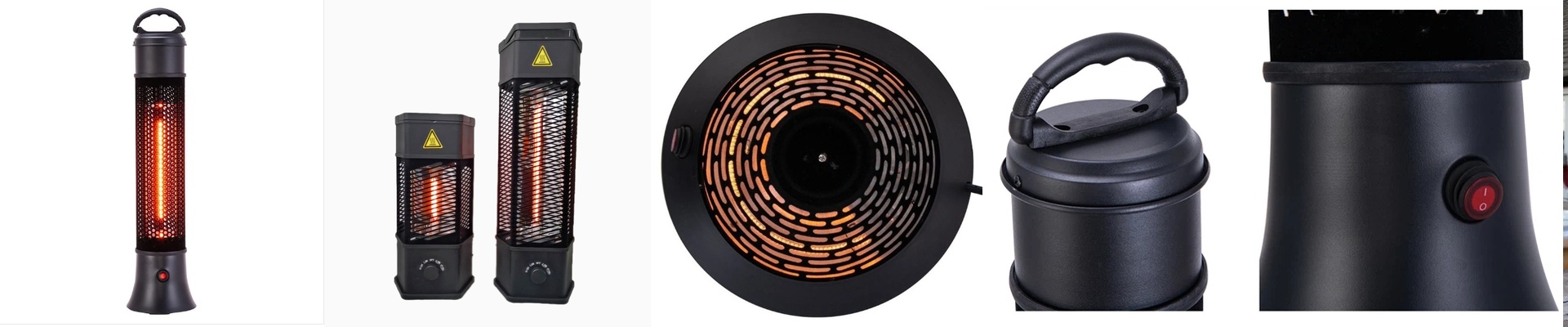
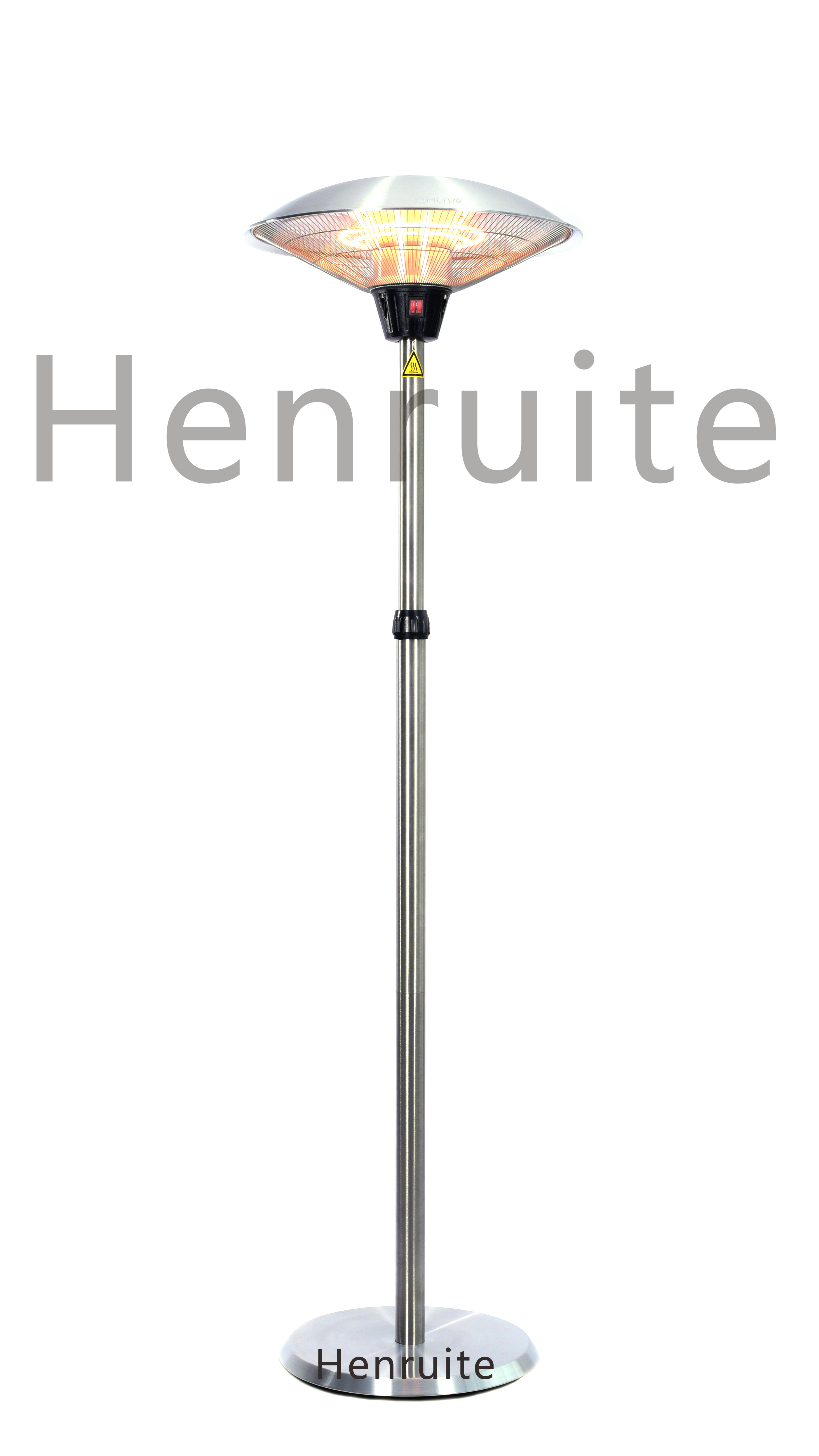
Putting an infrared heater in a bathroom isn’t as simple as just slapping on a waterproof cover. When you’ve got steam and moisture hanging in the air every single day, the risk of electricity leaking where it shouldn’t is real. Now, we use an IP55 rating to keep the dust and water splashes out, but the stuff that actually keeps you safe is happening deep inside the wiring. Stopping the sparks Humid air is a nightmare for short circuits. To fight that, we isolate the heating elements with high-temp ceramic insulators. Think of them as a wall that keeps the live current from jumping over to the outer shell. We also use silicone-insulated cables for the internal wiring. Why silicone? Because it doesn’t crack under the intense heat of an infrared lamp. It stays flexible and strong, which means the insulation doesn’t fail after a few months of use. And please, for the love of everything, ground the chassis. We tie a dedicated earth wire to a copper busbar. That way, if something does go wrong, the breaker trips instantly instead of turning the heater’s casing into a live wire. The “sweat” problem Here’s the thing about moisture: it doesn’t just stay on the outside. When the unit cools down, it “sweats” inside the housing. That condensation can create a bridge for electricity to travel. To stop this, we apply hydrophobic coatings to the internal boards and connection points. It basically makes the electronics repel water. Then there’s the heat. Shortwave lamps get hot—fast. That rapid heating and cooling makes metal expand and contract, which can actually wiggle screw terminals loose over time. To fix that, we ditched the screws for spring-loaded connectors or crimped lugs. They stay tight. Loose wires cause arcs, and arcs in a damp bathroom are a recipe for a fire. The balancing act Getting that IP55 protection is a bit of a trade-off. If you seal the unit too tightly to keep water out, you trap the heat inside. If there’s no room for the air to move, the electronics will literally bake themselves to death. We make sure there’s enough internal breathing room or use aluminum casings that act as heat sinks to pull the warmth away from the sensitive bits. One last tip? Wire it up to a GFCI. It’s that extra layer of safety that gives you real peace of mind when you’re stepping out of the shower.