Keeping Your Bathroom Heater From Giving Up the Ghost
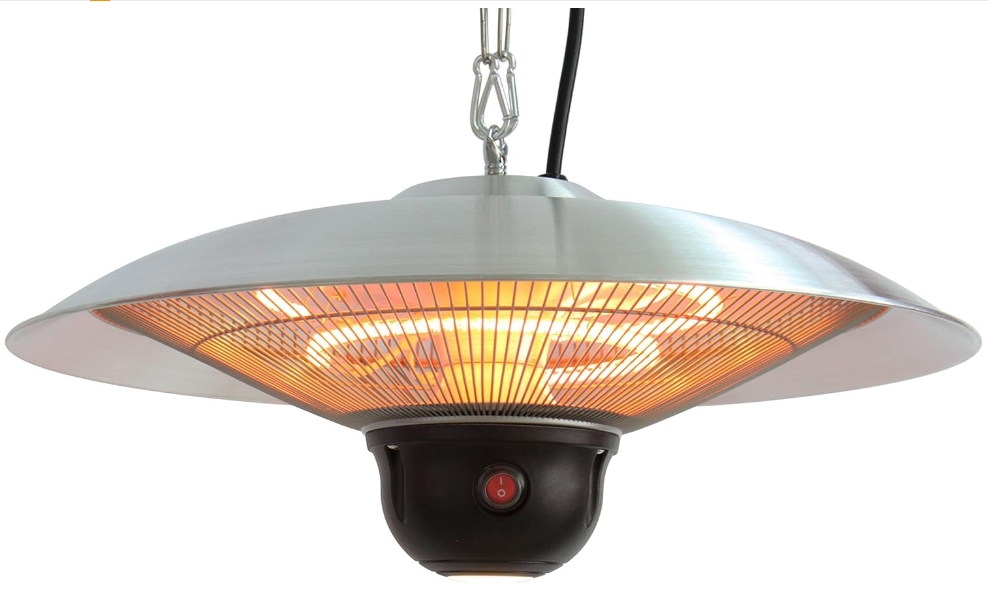
Let’s be honest: bathrooms are a nightmare for electronics. Between the thick steam and the occasional stray splash of water, it’s basically a torture chamber for heating elements. Most heaters just can’t hack it; they rust out or short circuit before you’ve even had a chance to enjoy a warm shower. We got tired of seeing that happen, so we built our newest infrared heaters to actually survive the environment.
Dealing with the “Pop” and the Fog
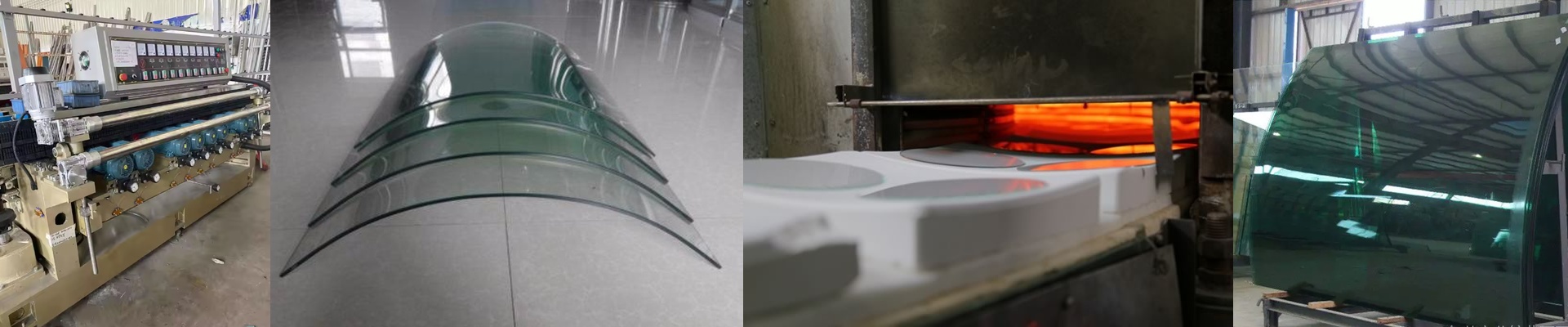
Ever notice how some heaters just… die? Here’s why. When a tiny drop of cold water hits a scorching hot quartz glass lamp, it causes “thermal shock.” In plain English: the glass cracks. We stopped that by sealing the whole chassis in a rugged, IP-rated enclosure. We also added a heated shield (or a special coating) to keep the lens from fogging up. It sounds like a small detail, but it’s huge. When a lens fogs over, it acts like a wall, blocking the heat. The heater then has to work twice as hard to warm the room, which basically fries the internal filament. Keeping the glass clear means the heater stays cool and lasts longer.
Locking Out the Steam
Steam is sneaky. It finds every little gap and crawls right into the wiring. Once moisture hits those electrical terminals, you get corrosion and your power drops. It’s a slow death for your hardware. To fix this, we crammed silicone gaskets and reinforced seals into every single joint. We’ve put these units in some seriously steamy bathrooms where “standard” heaters didn’t even make it through one winter. Ours just keep humming along.
The One Catch: Give it Some Space
There is a trade-off, though. Because we’ve sealed the unit so tightly to keep the water out, the air doesn’t move around inside the casing as easily. This means heat can build up. If you mount the heater too close to the wall or ceiling, the internal safety switch might trip and shut everything down. Just make sure you follow the clearance guidelines in the manual. Give it a little breathing room, and you’re golden. At the end of the day, it comes down to the seals. That’s the difference between buying a new heater every couple of years or having one that lasts a decade. Get the protection right, and the rest is easy.