Why You Actually Need Waterproof Infrared Heat in Your Bathroom
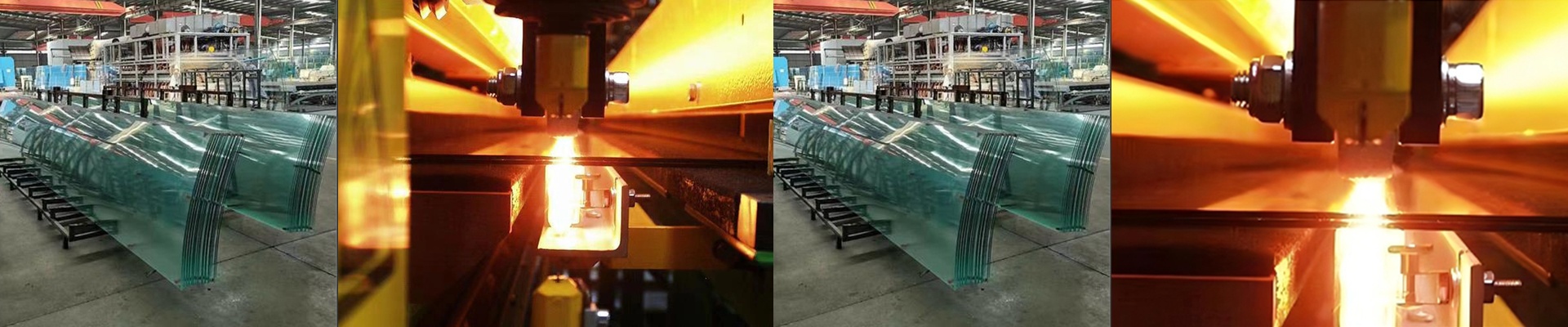
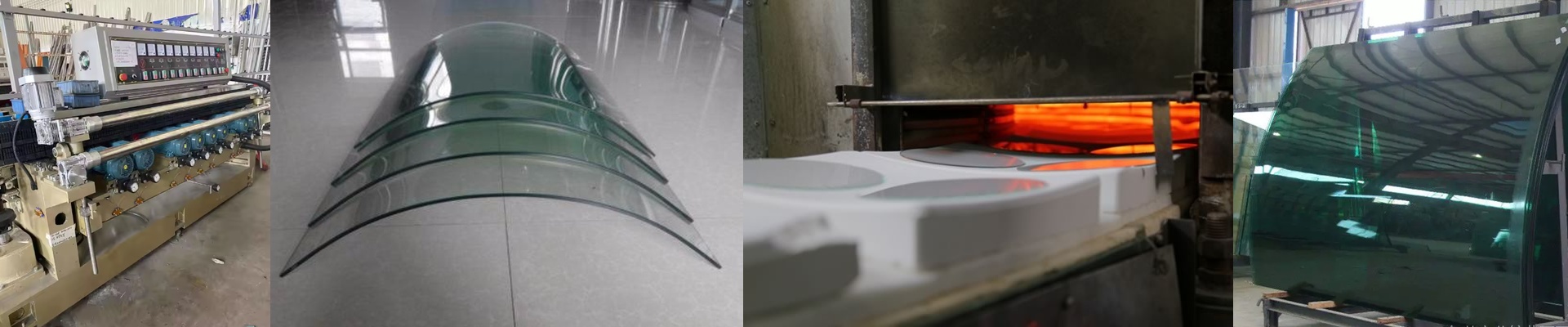
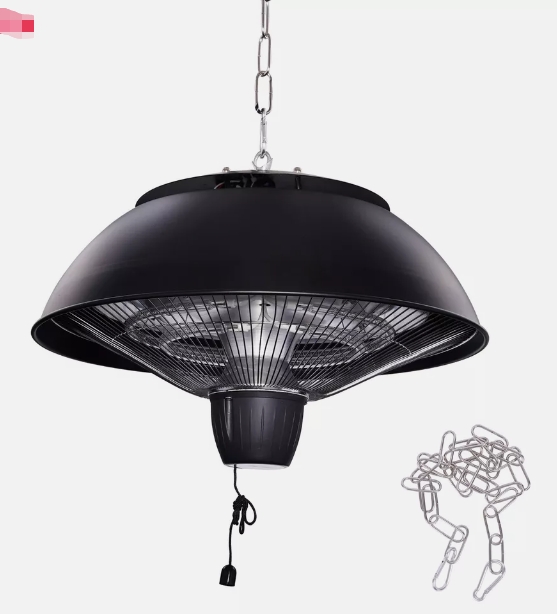
Let’s be honest: those old-school bathroom heat lamps are kind of a joke. Most of them are just basic bulbs that aren’t actually sealed. They work for a while, but once the steam and splashes start hitting them, they usually give up the ghost pretty quickly. That’s why we’ve been moving toward high-standard waterproof infrared heaters. They just last longer. Here’s the thing about the heat. Most heaters try to warm up the air in the room. But in a bathroom, that warm air just vanishes the second you open the door or a vent kicks in. Infrared is different. It doesn’t care about the air. It sends out warmth that hits your skin or the floor directly. It’s like stepping into a patch of sunlight on a cold day. You flip the switch, and you feel itimmediately. No waiting around shivering in a towel while the room slowly warms up. But we have to talk about the water. Water and electricity are a nightmare pairing. If steam leaks into a cheap heater, it shorts out. Period. To stop that, we look for high IP (Ingress Protection) ratings. In plain English? It means the seals around the wiring and the heating elements are airtight. We use tempered glass and heavy-duty gaskets to keep the moisture out. If those seals fail, the unit is toast. It’s that simple. A few things to keep in mind for the install. If you’re renovating, don’t just plug a high-power infrared array into an old wall outlet. You’ll probably trip your breaker and end up sitting in the dark. You really need a dedicated circuit and a proper junction box to do this right. Also, there’s a trade-off with the look. A truly waterproof unit is usually a bit bulkier. You’re trading a “slim profile” for a seal that actually works. Sure, you could buy a cheaper, skinnier unit to save some space, but then you’re just signing up to replace the heating element every couple of years because of corrosion. When we do these installs, we prioritize the seal over the aesthetics. It’s better to have a slightly larger heater than a safety hazard in your shower.