Stop the Chipping: Why Infrared Preheating is a Lifesaver for Glass Cutting
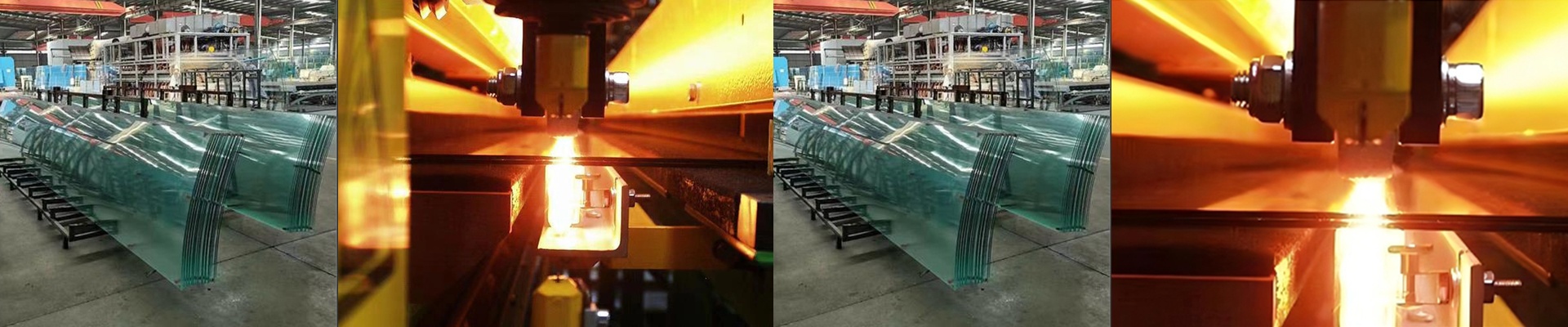
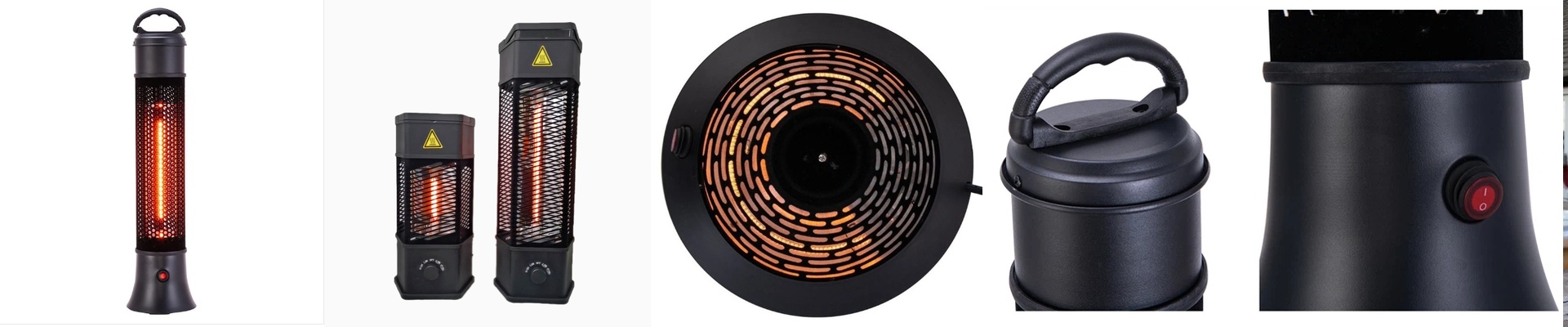
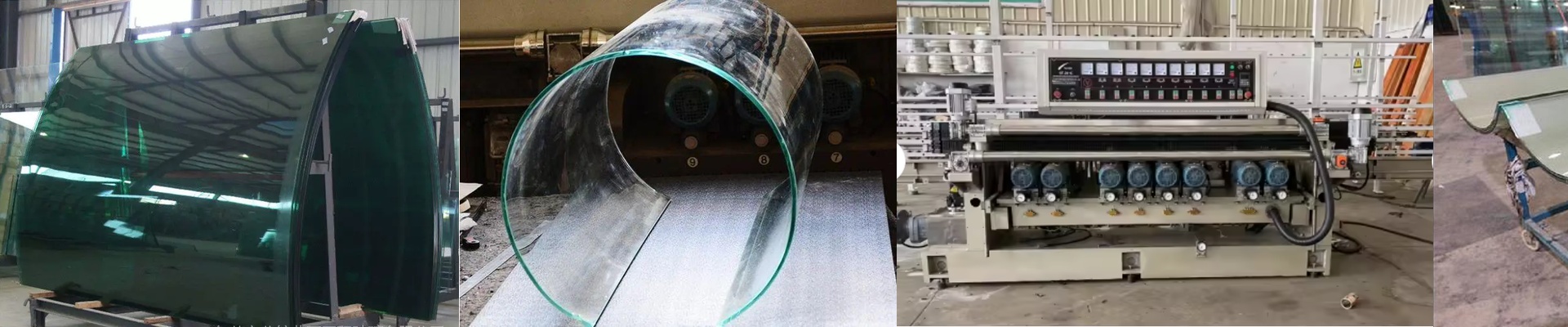
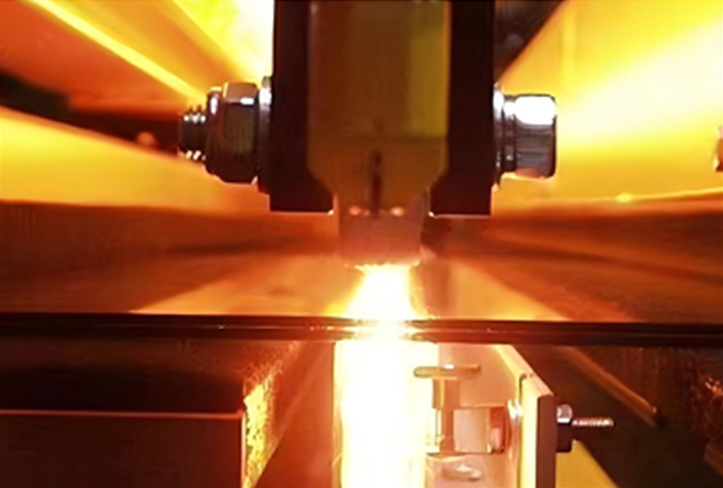
Anyone who’s spent time cutting glass tubes knows the frustration of “corner breakout.” You make your cut, you pull the piece away, and there it is—those jagged little chips right on the edge. It’s annoying. It’s messy. And it usually means you’re spending way too much time grinding edges just to get them smooth. The problem is that cold glass is just too brittle. When a cutting tool hits it, the glass doesn’t just “cut”—it shocks. That sudden stress creates micro-cracks that spiderweb out in directions you don’t want. The fix? Get the glass warm first. How it actually works We use infrared (IR) lamps to pump energy straight into the glass. Think of it as relaxing the material. By bumping up the surface temperature right before the cut, the glass becomes a bit more flexible—more “ductile,” if you want to be fancy. Instead of the glass shattering or splintering when the blade hits, the crack moves in a straight, clean line. You get a snap that’s crisp and a finish that’s smooth. Setting it up without breaking things If you’re putting this into your line, go with short-wave IR heaters. They hit harder and faster, which is exactly what you need when your tubes are flying by on a conveyor belt. You only have a couple of seconds to get that glass up to temp. But here is a pro tip: watch your gear. High-wattage quartz lamps put out a massive amount of heat, and not all of it goes into the glass. A lot of it bounces back toward your machine. If you don’t shield your sensors and wiring, you’re going to fry your electronics. Trust me, it’s not worth the risk. Finding the sweet spot The goal here is to kill that “cold-start” shock. When you get it right, you can stop worrying about secondary grinding because the edge is already clean. But don’t go overboard. If you get the glass too hot, it starts to warp or deform, and then you’ve just traded one problem for another. The secret is to link your lamp output directly to your line speed. If the conveyor slows down but the lamps stay at full blast, you’re basically cooking your product. Spend some time tuning your PID controllers so the heat adjusts automatically. It saves a lot of headaches in the long run.