

Stop Shivering in Your Bathroom: A Better Way to Stay Warm
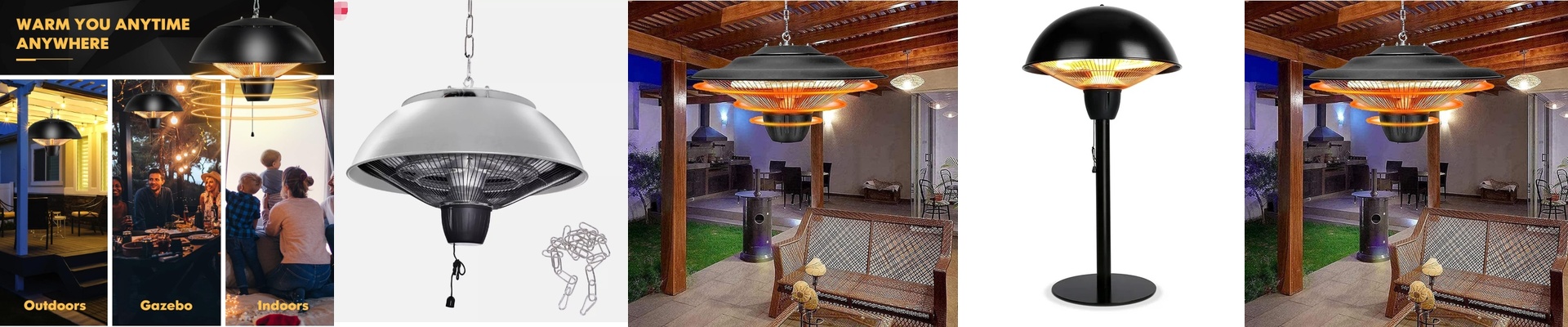
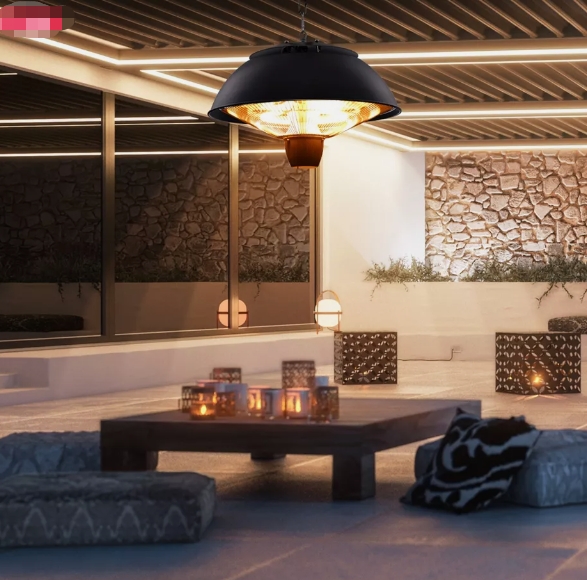
We’ve all been there. You step into a freezing bathroom on a Tuesday morning, flick the heater on, and then… you just wait. You stand there in your towel, shivering, while the heater tries to warm up the air around it. It’s annoying. We decided to fix that by using short-wave infrared. Instead of trying to heat the whole room, these heaters target you and the objects around you directly. It’s like stepping into a patch of sunlight in the middle of January.**Instant warmth.**No waiting around.
How the Magic Happens
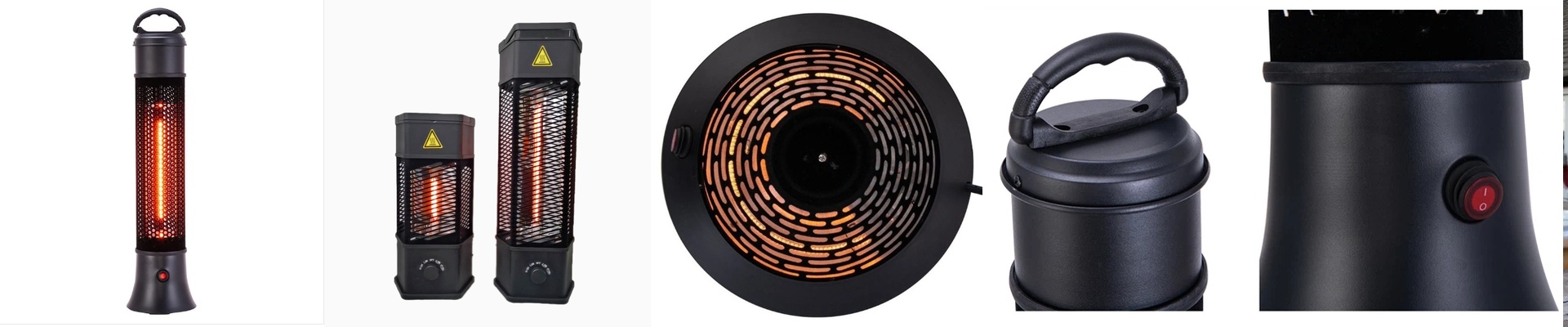
To make this safe for a steamy bathroom, we wrapped everything in IPX4-rated housings and sealed quartz envelopes. Inside, there’s a tungsten filament tucked into a halogen-filled tube. The physics here are pretty straightforward. Since electromagnetic radiation moves at the speed of light, the lamp hits its operating temperature in milliseconds. You aren’t waiting for a ceramic block to soak up heat or a metal radiator to slowly warm up. You hit the switch, and you feel the heat immediately.
Getting It “Smart”
Now, if you want to hook this up to your smart home, you can’t just use any old cheap switch. These heaters pull a lot of power—around 2000W—and a standard low-amp smart switch will likely fry its contacts. You’ll want a heavy-duty relay, something Zigbee or Matter-enabled and rated for 16A, to handle that initial surge of power. Once that’s set up, you can create a “Pre-heat” scene. Imagine your bathroom is already warm and cozy the second you walk through the door because your app or voice assistant fired up the lamps a few minutes earlier. It’s a small touch, but it makes a huge difference to your morning.
The Trade-offs
Look, nothing is perfect. Because these lamps get incredibly hot, you have to be careful where you put them. Install them too low or skip the guards, and you’re looking at potential skin burns. Also, keep an eye on your electrical panel. This much power means your bathroom circuit needs to be up to the task. And one last thing: technology fails. Gateways crash. That’s why we always suggest adding a manual override switch. If your smart home decides to take a nap, you still want to be able to turn on the heat without needing an app to tell you how.