The Struggle of Squeezing High Heat into Tiny Glass Repair Brackets
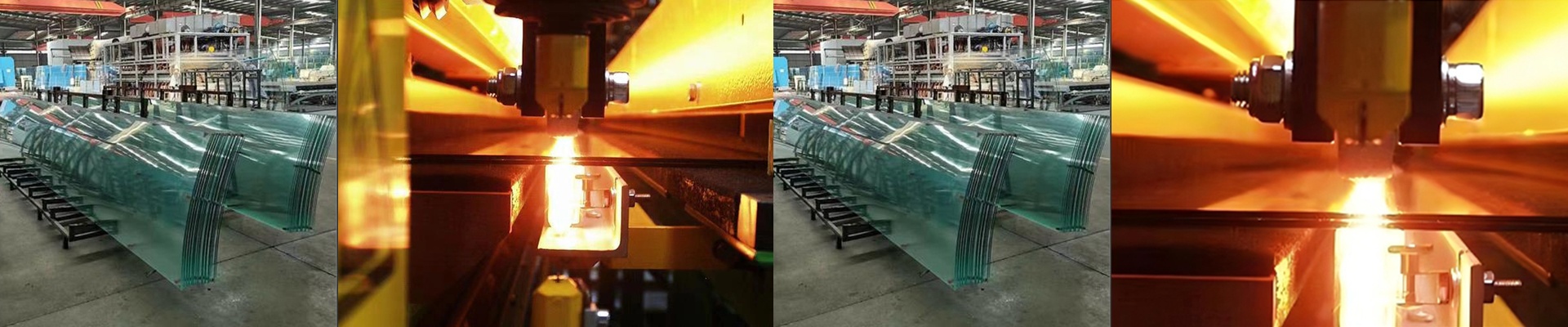
When you’re designing a bracket for mobile glass repair, you’re basically fighting a war against space. You’ve got almost no room for a bulky housing and your voltage is capped, but you still need enough heat to anneal the glass without cracking it. It’s a tough balance.
Getting the Heat Right (Without the Space)
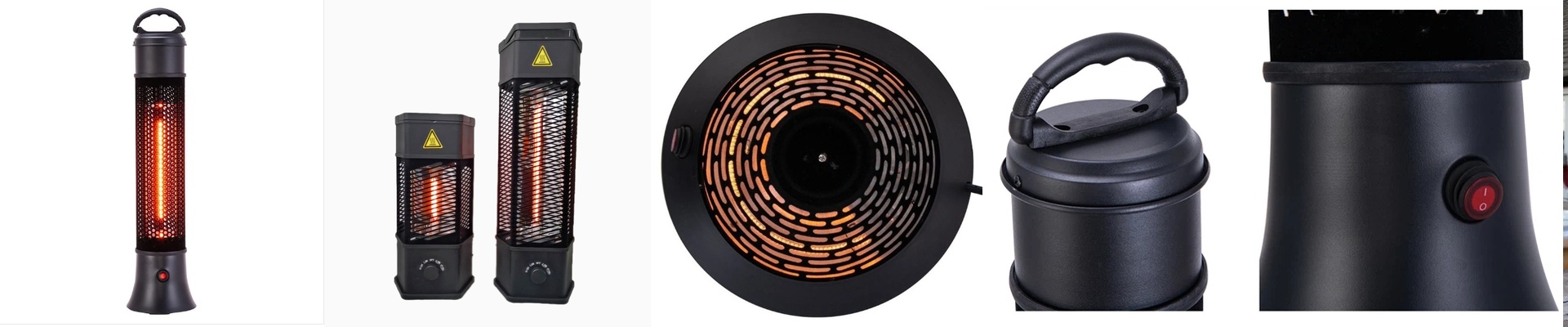
To get a high-performance element into a miniature bracket, it all comes down to power density. I usually go with shortwave quartz lamps. Why? Because shortwave IR hits the glass surface and penetrates it way faster than longwave does. When you’re using a mobile kit, you don’t have all day—you need that heat to work now. Here’s the tricky part: if your power supply is limited, we have to crank up the wattage per centimeter. We basically force the filament to run hotter to make up for the low voltage. You get the temperature you need, but there’s a catch. The filaments won’t last as long. If your voltage starts jumping around, you’re going to see more burn-outs. It’s just the price you pay for that kind of power in a small package.
Cutting Down the Size
Since space is so tight, standard industrial sockets are out of the question. They’re just too big. Instead, we use compact, high-temp terminations to keep the whole profile slim. We stick with quartz glass for the envelope because it can handle those wild temperature swings without breaking. And to keep the bracket frame from melting, we add reflective coatings. It’s a simple trick—it pushes the IR energy toward the glass and keeps it away from the electronics.
The Reality of Putting it Together
Wiring these things up is where it gets real. When you push that much wattage through such a small area, the “heat soak” is no joke. If you use cheap wiring or standard insulation, it’ll melt right in front of you. You’ve got to make sure the bracket has actual airflow or a decent heat sink. Otherwise, your driver circuitry is going to fry the second that lamp hits full tilt.