Stop Fighting Your Glass Line: The Case for Fast-Response IR
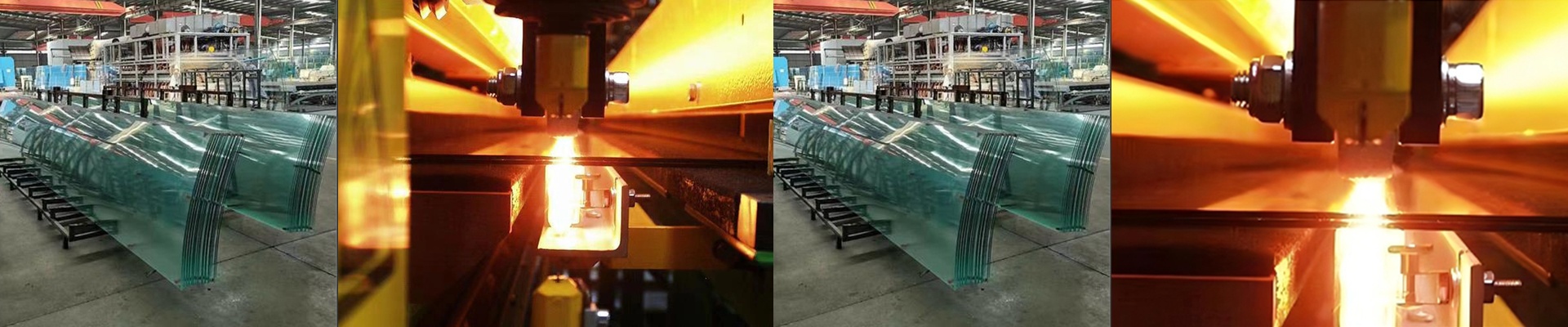
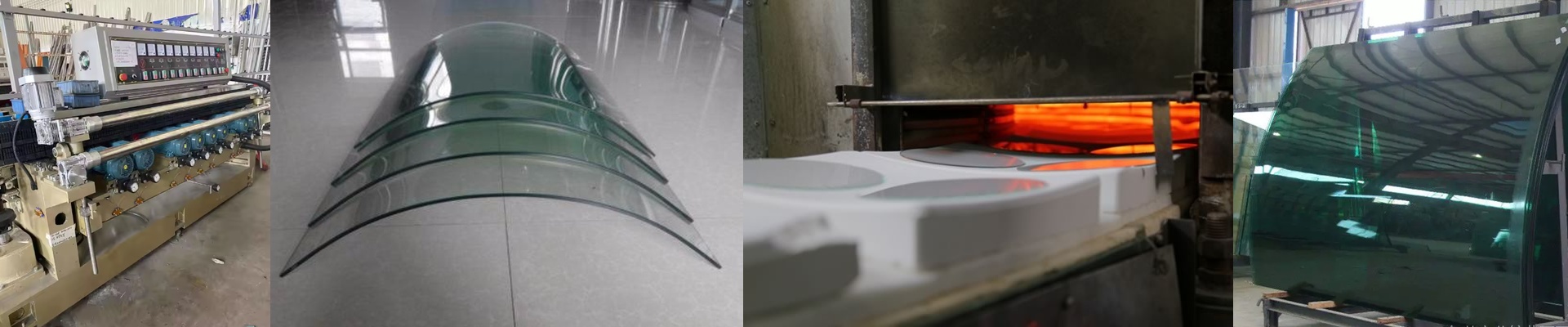
If you’ve ever dealt with glass annealing, you know the headache of internal stress. One wrong move with the temperature and—crack—there goes your margin. In a fast-moving production line, you just can’t afford to wait around for a traditional convection oven to catch up. That thermal lag is a killer. That’s why we use fast-response infrared (IR) heating. It hits your target temperature almost instantly, so the glass keeps moving and stays in one piece.
Why air heating just doesn’t cut it
Here’s the thing about traditional heating: you’re basically warming up the air, hoping the air warms up the glass. It’s slow. Too slow for a high-speed line. Shortwave IR is different. It beams energy directly into the glass. Since the response is basically immediate, you can tweak the heat profile in real-time while the glass is actually moving through the tunnel. This means you don’t need those massive buffer zones taking up all your floor space. Your footprint stays small, and your workflow stays tight.
Getting the heat right (and not melting your gear)
To keep things moving, we go with high power density. You need a system that can scream up to annealing temps in a matter of seconds. But there’s a catch. All that concentrated heat is brutal on your reflectors and housing. If your cooling fans aren’t up to the task, you’re going to end up with warped brackets or fried lamp sockets. It’s a mess. To keep things safe, we pair the lamps with a fast-sampling pyrometer and a closed-loop PID controller. It keeps a constant eye on the surface so you don’t accidentally cook the glass.
Less downtime, fewer headaches
The best part? You can make adjustments on the fly. If your glass thickness changes, you don’t have to kill the kiln or wait an hour for a massive oven to stabilize. You just tweak the power output and keep going. And when a lamp finally gives up the ghost—because they always do eventually—it’s a simple fix. These are just drop-in replacements. Swap the tube, plug it in, and that section is back to temp in a few minutes. No drama, no long shutdowns, just steady throughput.