Stop Messing Around with Individual IR Tubes
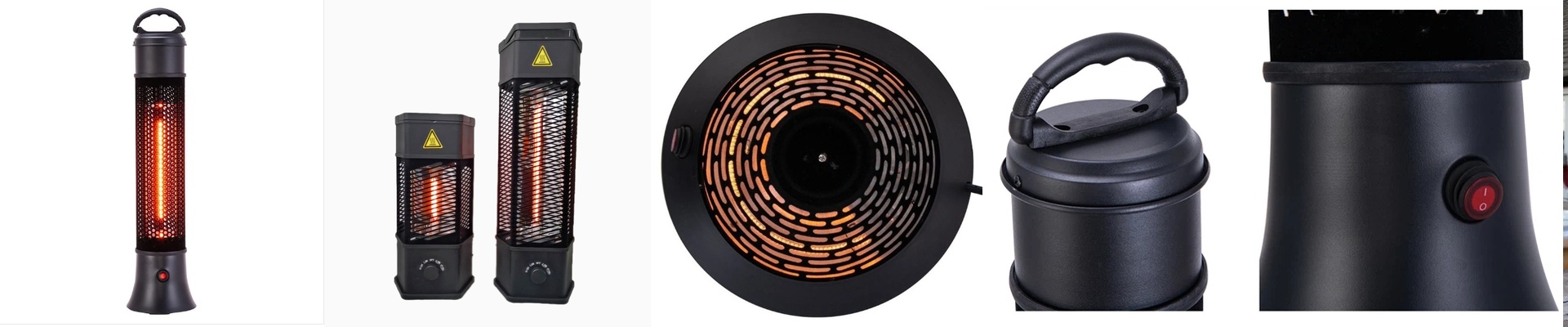
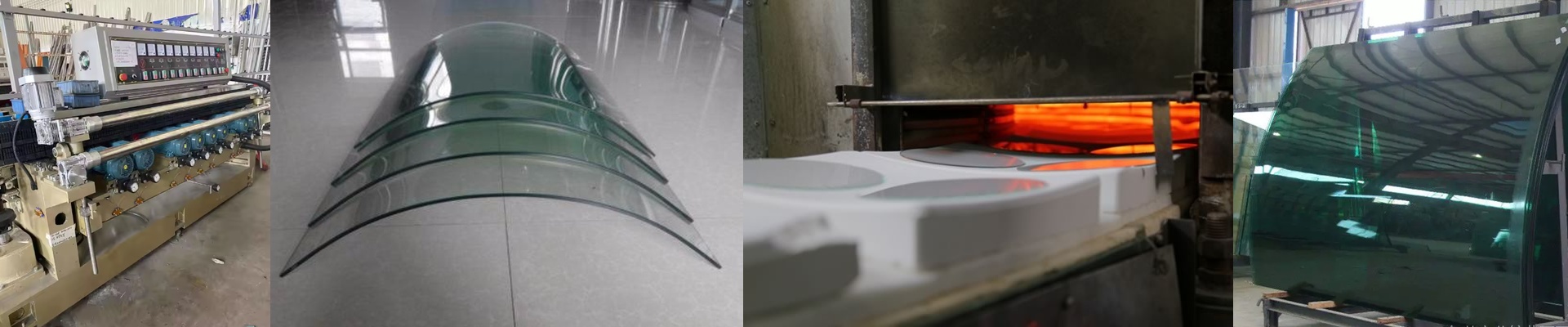
Most glass annealing setups start the same way: you buy a bunch of individual infrared lamps, source your own reflectors, and then spend days—sometimes weeks—wiring everything together on the shop floor. It’s tedious. It’s messy. And honestly? It’s a bit outdated. We’ve decided to stop doing it that way. Instead, we’re now building integrated heating modules. We put the lamps, reflectors, and all the wiring into one pre-assembled unit before it ever leaves our doors.
Why the module makes more sense
Think about it this way. When you buy a single lamp, you’re just buying a part. When you get a module, you’re getting a system that actually works. In a glass annealing oven, the distance between the heat and the glass is everything. If that gap is off by even a little bit, your thermal gradient is ruined. By locking the lamps into a fixed module, we take the guesswork out of it. No more worrying if the installer shifted a lamp an inch to the left. You get a consistent heat footprint every single time. Plus, we handle the brackets and the wiring. You don’t have to waste your team’s time on the assembly line. You just drop the module into the frame, plug it into the power, and you’re done.
The tricky part: High-Density Heat
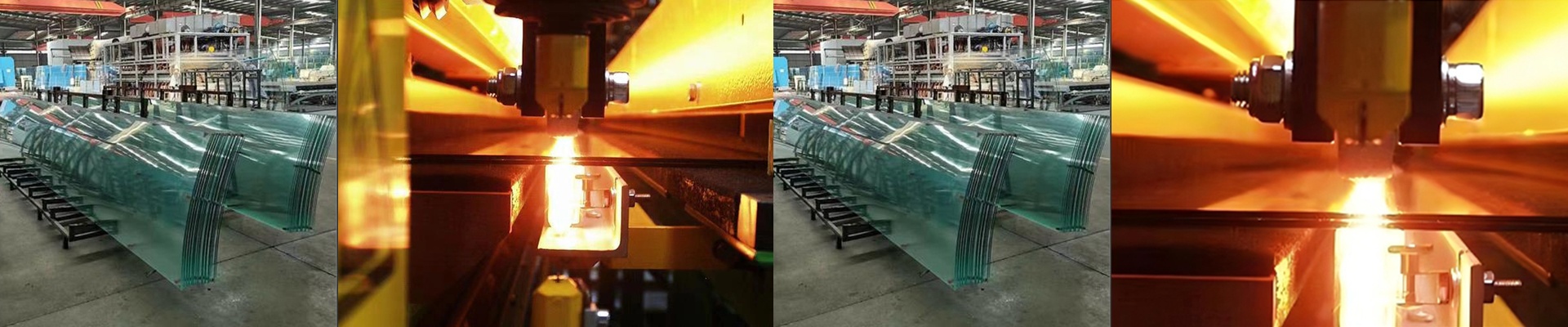
To get the fast ramp-up times you need for annealing, we use high-wattage short-wave IR emitters. These things put out a massive amount of heat. But there’s a catch. That kind of heat can melt wiring or warp a cheap housing if you aren’t careful. To stop that from happening, we use high-temperature alloys for the frames and specialized cabling that won’t fail when things get hot. One heads-up, though: make sure your cooling fans and vents are up to the task. If your airflow is weak, that heat is just going to soak back into your electronics, and nobody wants that.
Less headache on the shop floor
The whole point here is “plug-and-play.” By doing the heavy lifting at our factory, you don’t have to worry about someone accidentally snapping a fragile quartz tube during installation. And if something does go wrong? You don’t have to spend hours troubleshooting a single lamp. You just swap the whole module out and get back to work. It’s simpler. It’s faster. And it keeps your downtime to a minimum.