Fixing Those Annoying Cold Spots in Glass Annealing
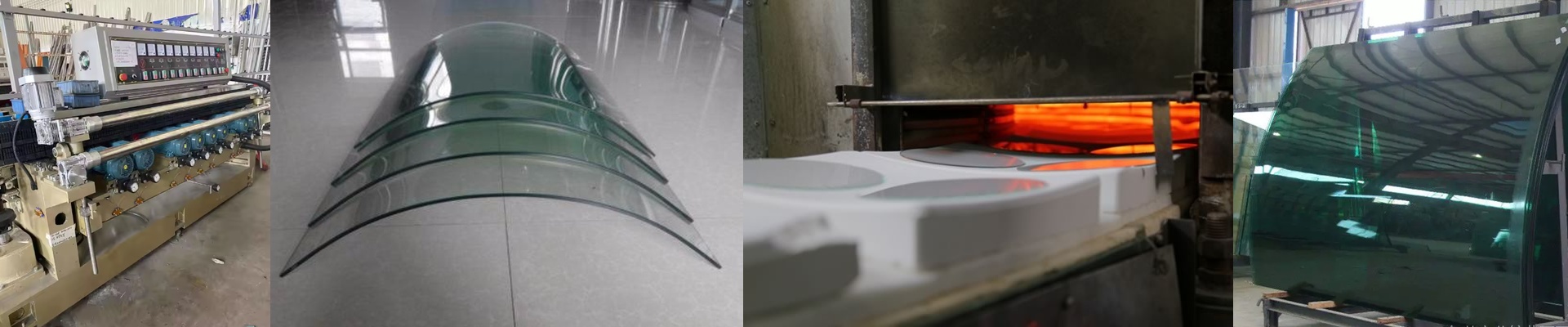
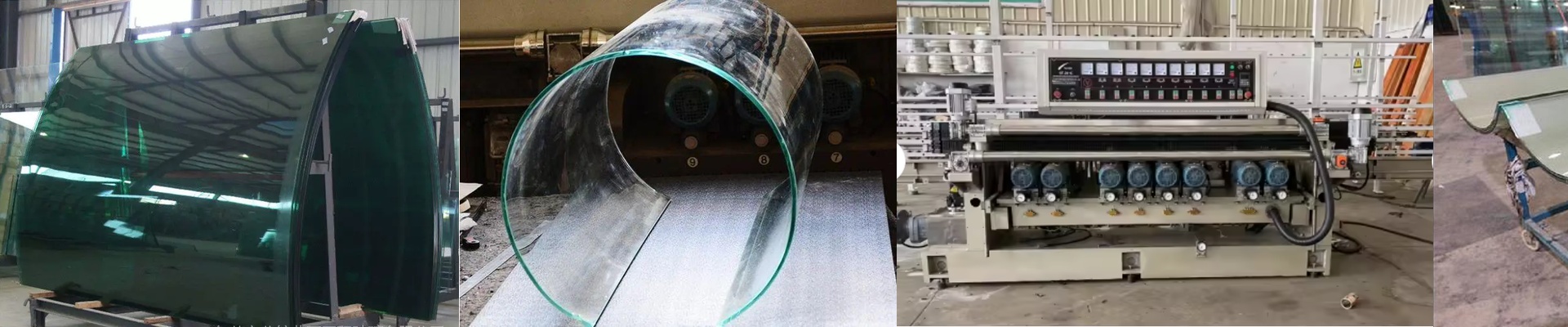
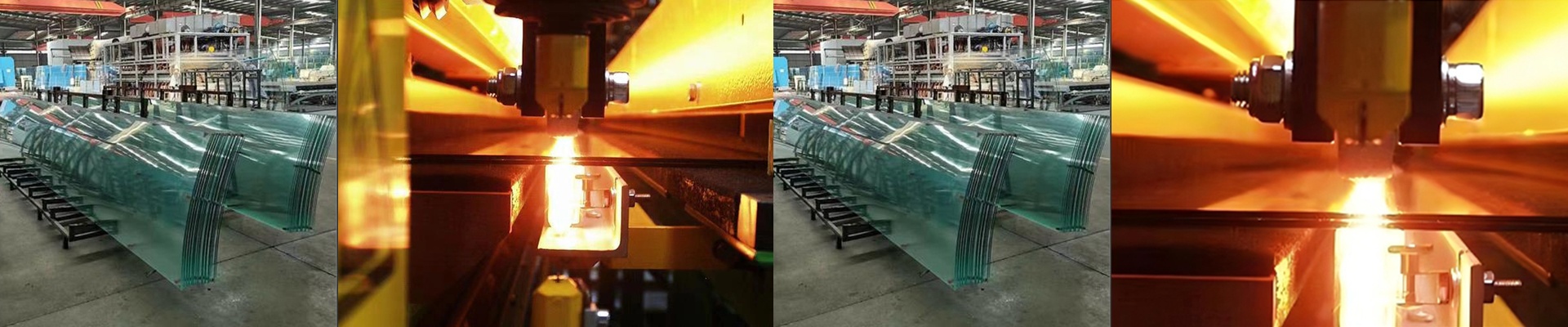
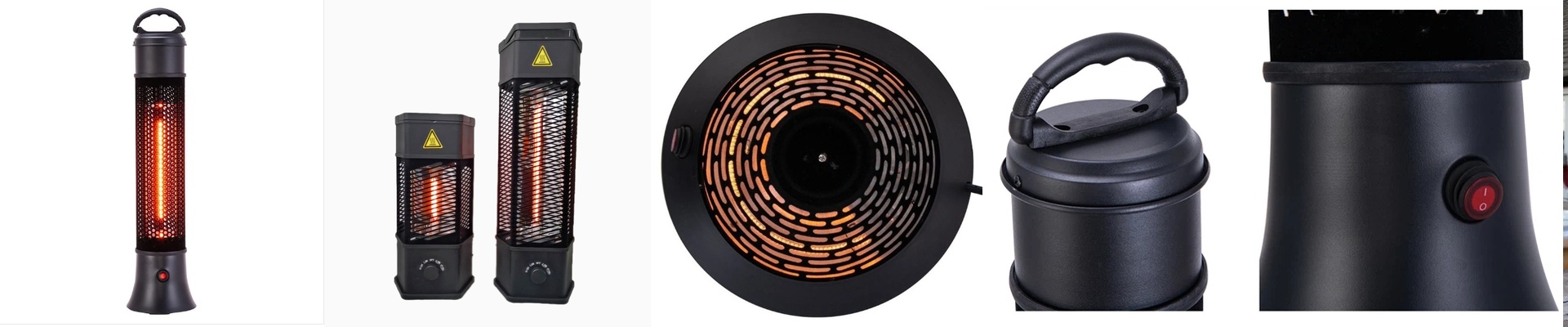
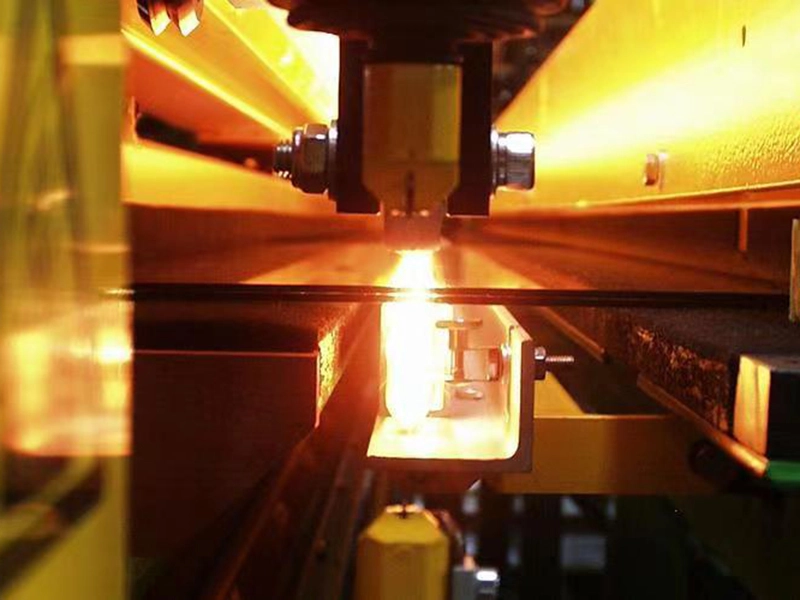
Ever deal with “dead zones” in your kiln? It’s a nightmare. You’ve got a bottle or a flask with a tight neck or a deep shoulder, and no matter what you do, the heat just won’t reach those tricky spots. The result? Uneven stress in the glass. And we all know where that leads: your piece cracks, and you’re back to square one. We handle this by ditching the generic setup. Instead, we use custom-shaped quartz infrared (IR) lamps that basically wrap the heat around your piece, making sure no corner is left out in the cold. Getting the heat where it actually matters Here’s the thing: you can’t just hope the air in the kiln is hot enough. That’s not how it works. We use short-wave IR quartz tubes because they don’t just warm the air—they punch right through the glass surface to transfer energy directly into the material. We look at the footprint of your vessel and match the lamp length and wattage to it. That way, the radiant flux hits every single curve. Plus, if you’re running a high-volume line, we can tweak the wattage across different zones. It keeps the temperature gradient exactly where it needs to be. The nitty-gritty on the gear We build these lamps out of high-purity quartz. Why? Because annealing gets hot. Really hot. Cheap materials would bow or cloud up, but these hold their shape. Depending on what your shop is wired for, we can set these up for 220V or 400V. Going high-voltage is great because it lets us use longer tubes and pack in more heat, but just a heads-up: make sure your control panels and wiring can take the current. You don’t want your wiring overheating while you’re trying to heat your glass. The trade-off Now, there is a catch. When you pump that much heat density into a small space to kill those cold spots, the outside of your kiln is going to feel it. The reflected energy is intense. You’ll need to be smart about your cooling fans or water jackets. If you don’t, you risk warping the machinery around the kiln. But once you get those custom lamps dropped in? Everything changes. The heat is uniform. You don’t have to spend forever “soaking” the glass, which means your entire cycle moves a lot faster.