Getting the Heat Right in Glass Jewelry
If you’ve ever spent hours testing a new glass composition only to have the piece crack the second it cools, you know how frustrating it is. Most off-the-shelf lamps just aren’t built for this. When you’re annealing jewelry, it’s not about the total heat—it’s about where that heat actually goes. That’s why we don’t just sell you a tube of a certain size. We focus on the power density.
It’s All About the Profile
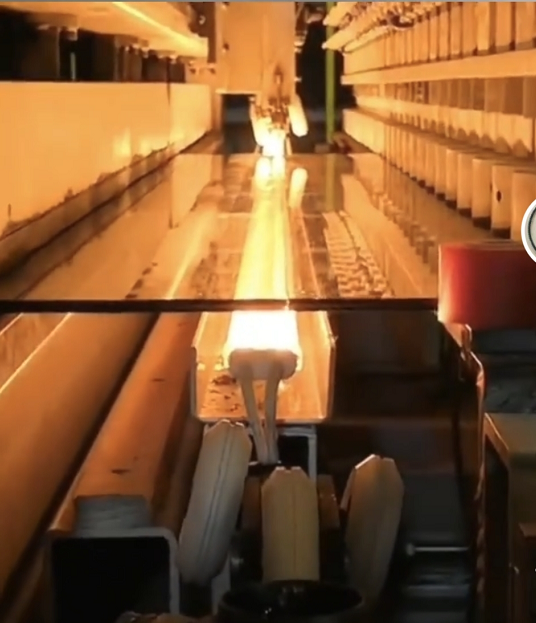
A lot of people make the mistake of only looking at total wattage. But in an R&D setting, that’s a trap. You need to control exactly where the heat hits. By tweaking how we wind the filament and adjusting the thickness of the quartz, we can push the peak intensity to specific spots on the lamp. This means you can hit your jewelry piece hard without accidentally melting your fixture. Want a faster ramp-up? We can concentrate the heat in the center. Need to avoid those nasty internal stress points? We’ll give you a flat distribution to kill off any hot spots.
No More “One Size Fits All”
We get that research setups are usually a bit… unique. That’s why we give you a lot of room to play with the specs. You tell us your voltage and wattage so the lamp actually works with the power supplies you already have. No one wants a lamp that burns out halfway through a long soak cycle. Plus, we use high-purity quartz, which helps the IR spectrum sink deep into the glass rather than just skimming the surface.
The Catch (Because There’s Always One)
Here’s the thing: pushing a ton of power into a tiny footprint is a great tool, but it generates a lot of raw heat. When we crank up the density to speed up your annealing, the lamp surface gets incredibly hot. You’ll need to make sure your housing and cooling fans can actually keep up. If they can’t, you’re looking at warped reflectors, and that’s a headache nobody needs. We build these as drop-in replacements for your prototypes. Just tell us the thermal curve you’re aiming for, and we’ll build the filament to match it.