Stop the Chipping: Why We Preheat Glass
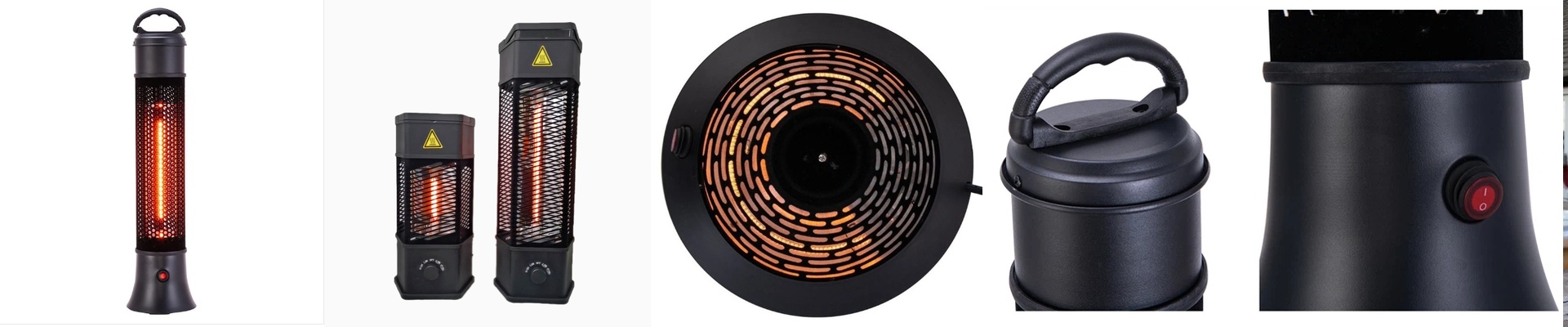
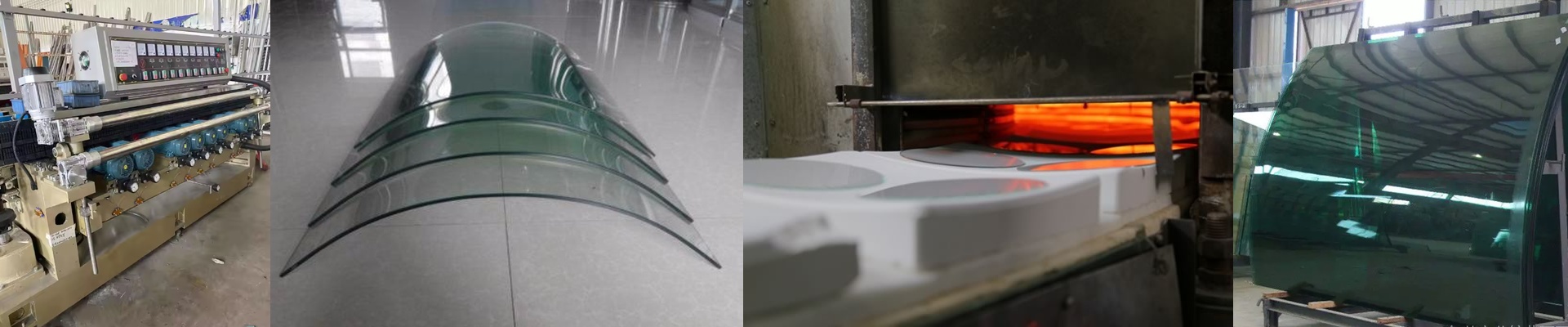
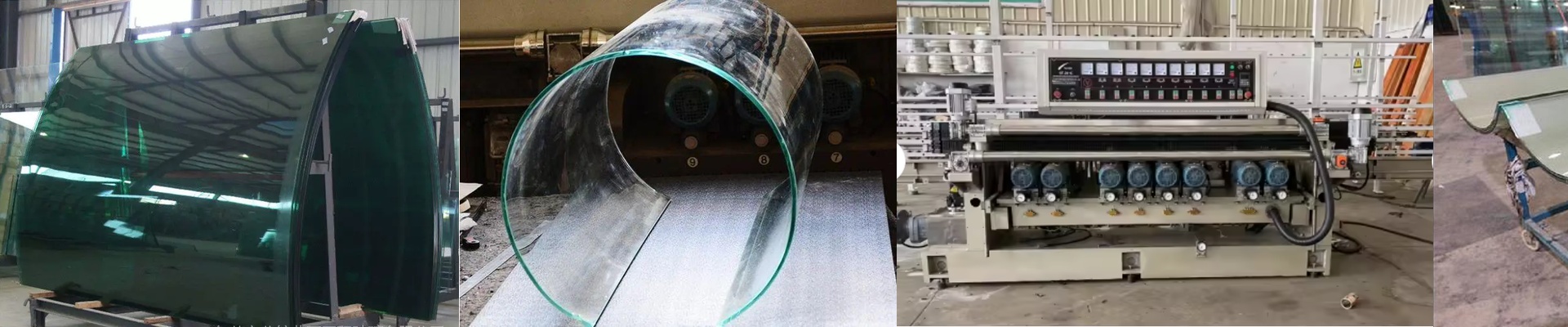
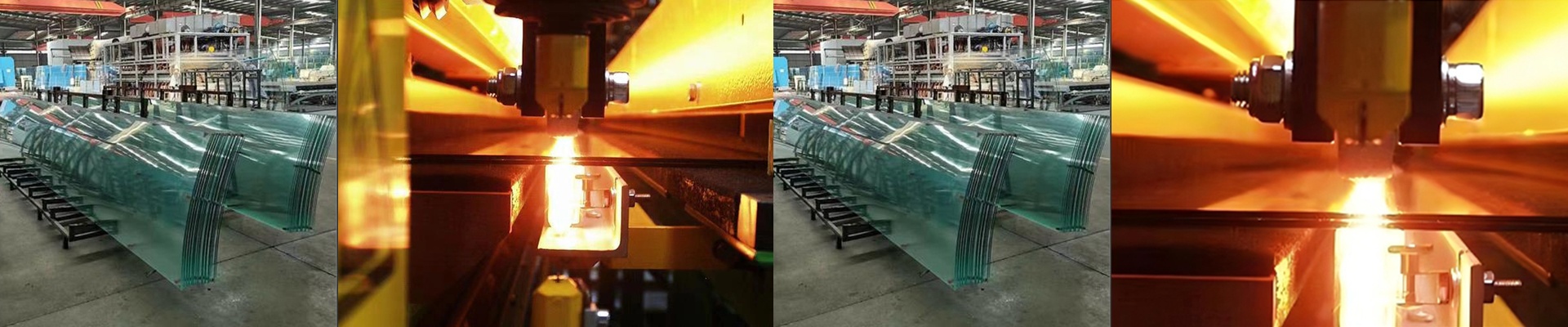
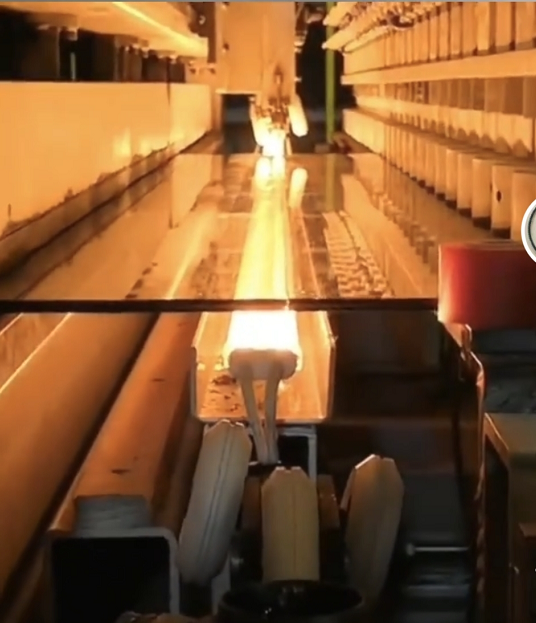
Cutting glass is basically just a game of managing a controlled crack. But here’s the problem: when glass is cold, it’s tense. It’s stubborn. When you hit it with a cutter, those internal stresses fight back, and that’s how you end up with those annoying “chip-outs” or beng jiao along the edges. It’s frustrating. You do everything right, and you still get a jagged edge. That’s why we use infrared (IR) preheating. We warm the material up before the blade even touches it. How it actually works Think of it as relaxing the glass. The IR lamps get the molecules moving, raising the surface temperature quickly. This softens the internal stress just enough so that when the crack starts, it travels in a straight, predictable line. The result? A clean break. No surprises. No shattered edges. The gear that makes it happen You can’t just point a random heat lamp at a sheet of glass and hope for the best. You need a focused beam. We use polished aluminum or gold-coated reflectors to bounce all that IR radiation right back onto the glass. If you skip the reflectors, you’re basically just wasting half your electricity heating up the machine frame. We stick with short-wave IR. It hits the surface fast, so you don’t have to let the glass “soak” in the heat for ages. It keeps the line moving. The balancing act Now, you might think “more power equals better results,” but it’s not that simple. If you crank the wattage too high or heat the glass unevenly, you’re just trading one problem for another. You’ll create new thermal stresses, which can make the glass warp or even crack on its own. It’s a bit of a dance. You have to get the distance and the power exactly right to keep the temperature steady across the whole sheet. Plus, your sensors have to be dialed in for the specific thickness of the glass you’re running. Otherwise, you’re just burning through power for nothing.